Keeping a pet snake can be an enriching and fascinating experience. Unlike cats or dogs, snakes require specific care and a habitat that closely resembles their natural environment. A well-designed snake cage is more than just a container; it is a home where your snake can thrive, hide, and explore safely. While there are many commercially available enclosures, DIY snake cages allow you to customize the space to meet your snake’s unique needs and your aesthetic preferences. In this article, we explore 10 DIY snake cage ideas that are practical, creative, and budget-friendly.
1. PVC and Plexiglass Terrarium
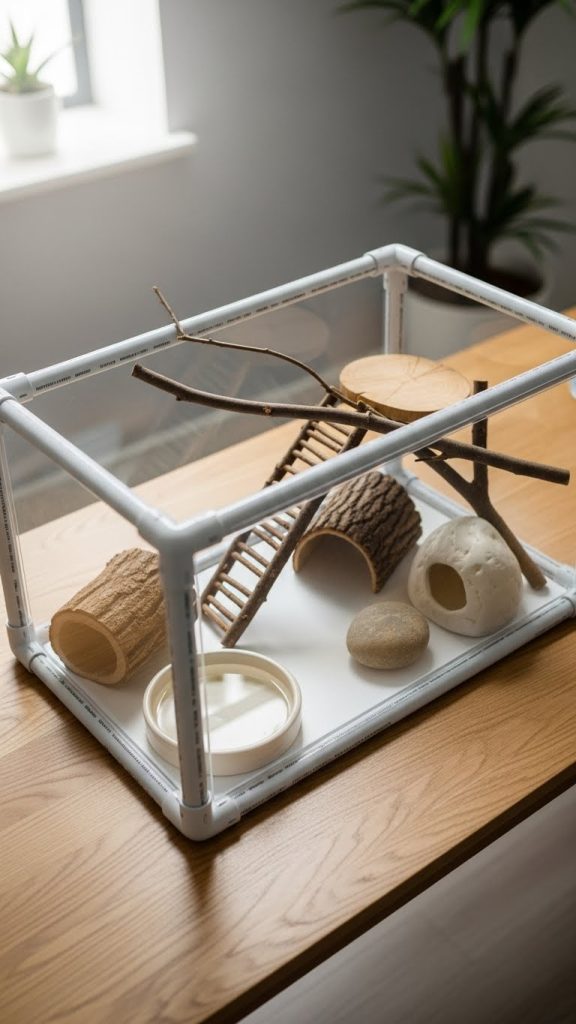
One of the most popular DIY options for snake owners is a terrarium built with PVC frames and plexiglass panels. This type of cage is lightweight, easy to clean, and offers excellent visibility.
- Materials needed: PVC pipes, plexiglass sheets, PVC connectors, silicone sealant, and small hinges for the door.
- Tips: Ensure that the cage has a secure locking mechanism, as snakes are notorious escape artists. Ventilation is essential; you can add small mesh vents on the sides.
- Aesthetic options: You can paint the PVC frame to match your room decor or use frosted plexiglass for a minimalist look.
This cage is suitable for snakes that enjoy climbing, as you can easily attach branches and ledges inside.
2. Wooden Rack System for Multiple Snakes
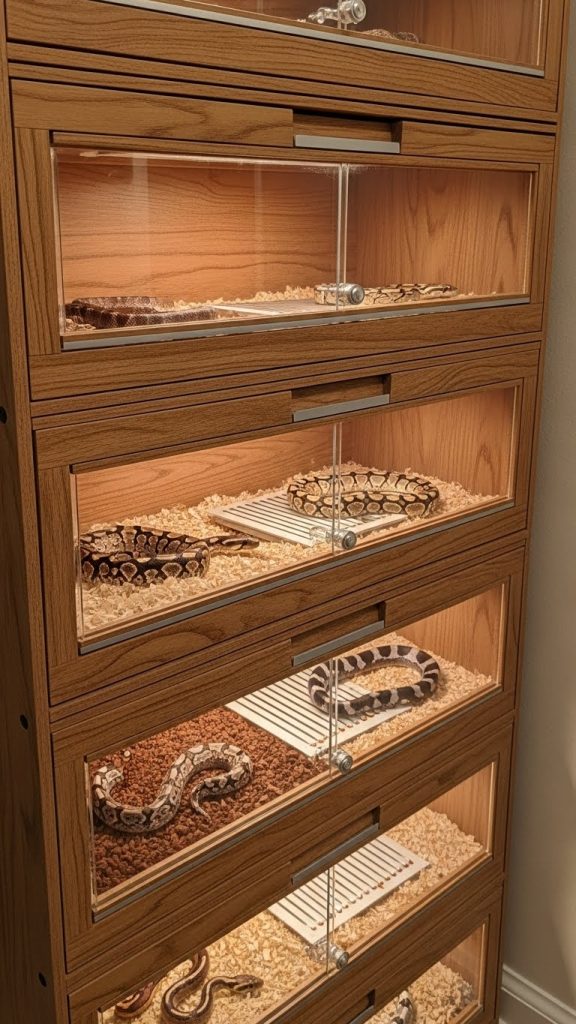
For those with more than one snake or a collection, a wooden rack system is a practical and space-saving solution. It allows multiple enclosures to fit neatly in a compact space.
- Materials needed: Plywood, hinges, drawer slides, and acrylic sheets for viewing panels.
- Construction: Each drawer acts as a separate snake cage. Add heating pads underneath or on the side to maintain optimal temperature.
- Advantages: This setup is especially helpful for breeders or enthusiasts who need multiple habitats in one area.
A DIY rack system can be designed to blend seamlessly with furniture, making it both functional and stylish.
3. Glass Aquarium Conversion
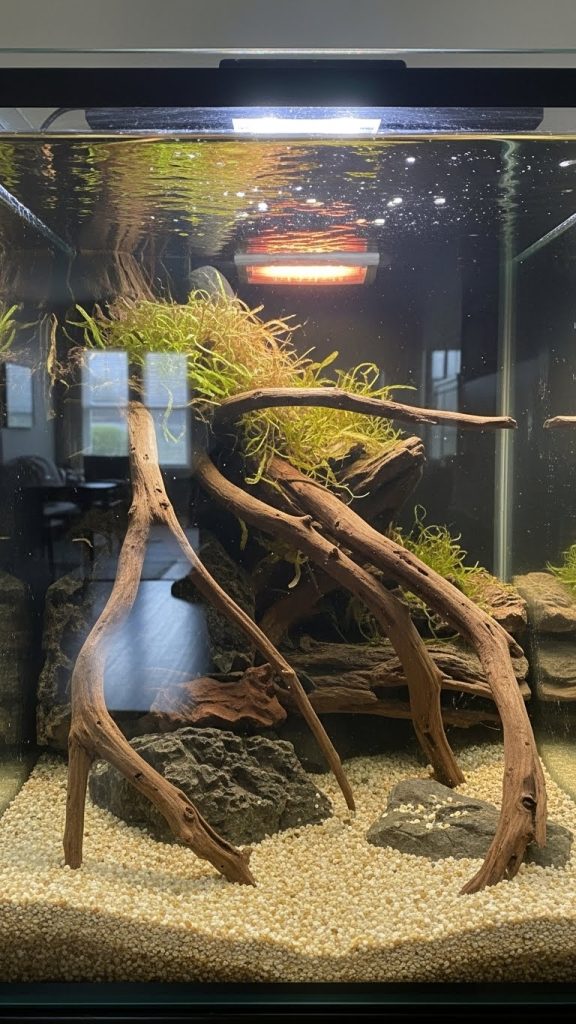
If you already have an unused fish tank or glass aquarium, converting it into a snake cage is a simple DIY project.
- Preparation: Clean the tank thoroughly to remove any residues.
- Ventilation: Install mesh covers or drill holes in the top for airflow. Snakes need fresh air, so don’t skip this step.
- Decor: Add substrate, branches, hides, and water bowls to replicate the snake’s natural environment.
Glass tanks are great for terrestrial snakes but may require additional measures to prevent climbing escapes.
4. Repurposed Cabinet Enclosure
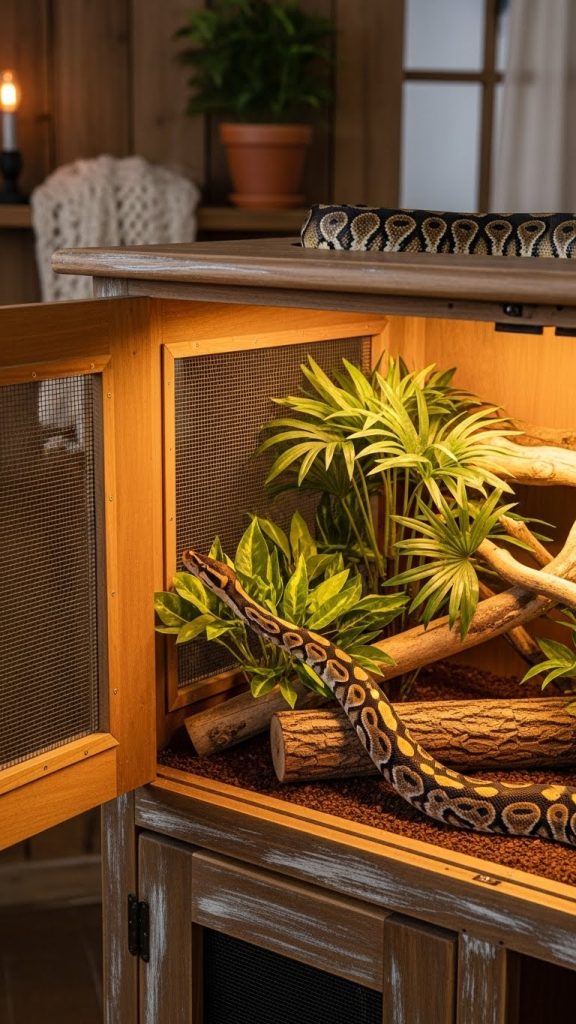
A vintage or unused cabinet can be transformed into a cozy snake cage. This approach is perfect for those who enjoy upcycling furniture.
- Materials needed: Cabinet, drill, mesh or screen material, hinges, and locks.
- Construction: Remove any unnecessary shelving and ensure the interior is smooth with no splinters. Drill holes for ventilation and attach a secure top or front door.
- Decor ideas: Line the bottom with a removable tray for easy cleaning. Decorate with natural logs, plants, or artificial vines.
This DIY cage merges functionality with a homey, rustic aesthetic.
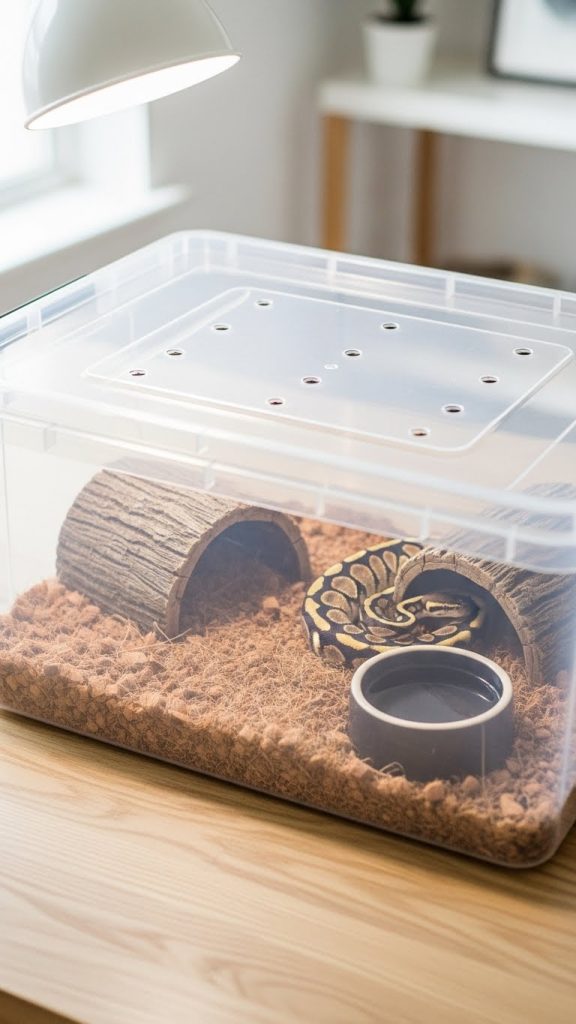
5. Plastic Storage Bin Conversion
For beginners or temporary setups, a plastic storage bin can be converted into a simple snake cage.
- Materials needed: Durable plastic bin with a tight-fitting lid, drill, mesh for ventilation.
- Instructions: Drill holes in the lid for airflow. Ensure the lid is secure to prevent escapes.
- Advantages: Affordable and lightweight, easy to move or transport.
This cage is best for smaller snakes or temporary housing but can still be decorated with hides, branches, and water dishes.
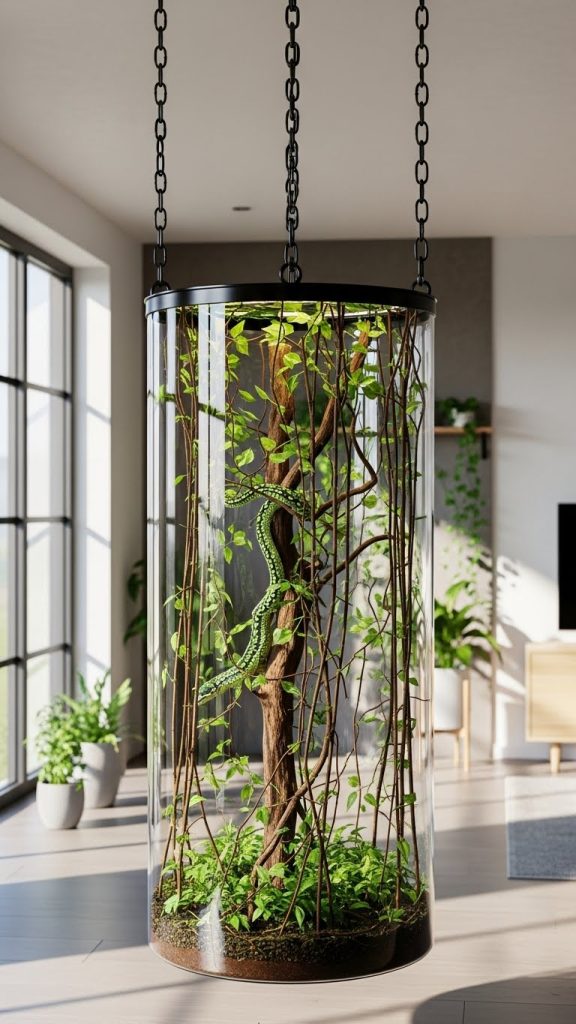
6. DIY Hanging Terrarium
For arboreal or semi-arboreal snakes, a hanging terrarium offers vertical space for climbing and exploration.
- Materials needed: Large glass or acrylic container, strong hanging chains or ropes, and ventilation mesh.
- Tips: Ensure the terrarium is securely anchored to prevent accidents. Include climbing branches and vines inside to enrich the snake’s environment.
- Aesthetic options: Hanging cages can double as decorative elements in your home, creating a naturalistic display.
This type of DIY cage works beautifully for species that enjoy perching and exploring vertical space.
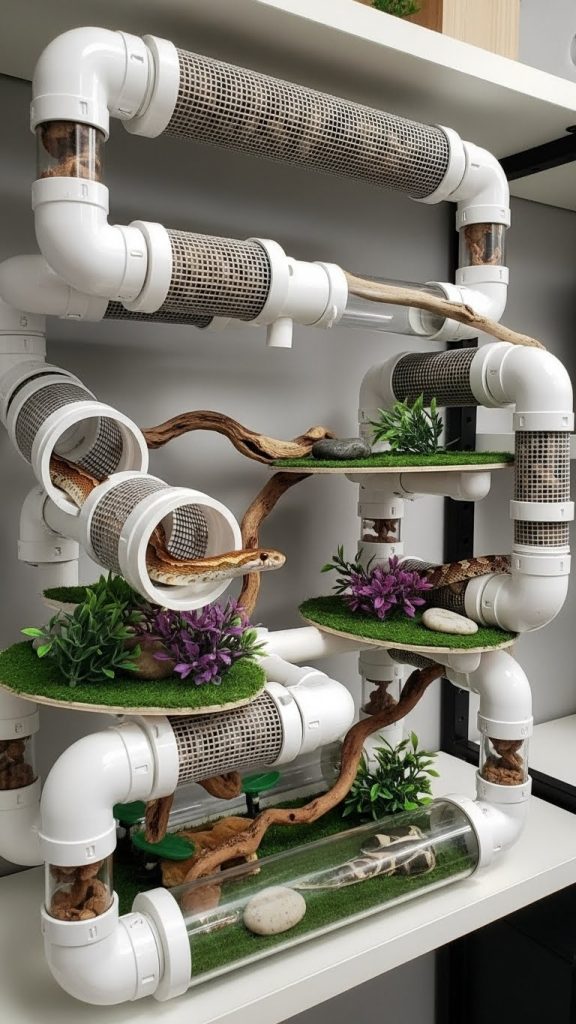
7. PVC Pipe Modular System
A modular cage system using PVC pipes allows for a highly customizable habitat. Each section can be connected or separated depending on your snake’s needs.
- Materials needed: PVC pipes of various diameters, connectors, mesh panels, and silicone sealant.
- Construction: Assemble the frame and attach mesh sides for ventilation. You can design tunnels, ramps, and chambers to mimic a natural burrow system.
- Benefits: Highly flexible and expandable, perfect for creative layouts.
Modular systems can be easily adapted for different species and sizes of snakes.
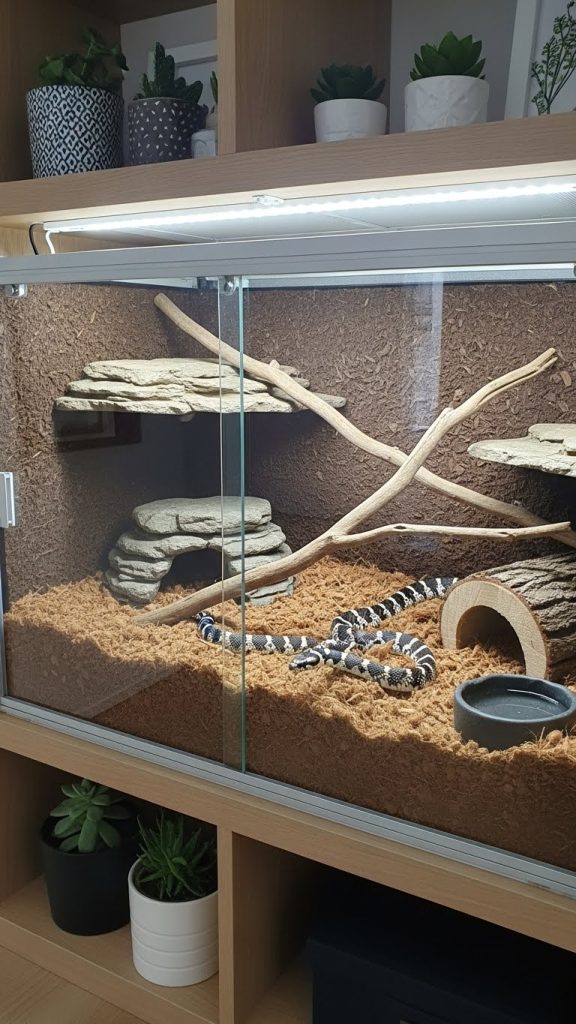
8. Terrarium with Sliding Doors
For easy access and maintenance, a terrarium with sliding doors can be a practical DIY option.
- Materials needed: Glass or acrylic panels, aluminum tracks, handles, and mesh for ventilation.
- Construction: Ensure the doors slide smoothly but lock securely. Use silicone to seal the edges for a safe, leak-free environment.
- Advantages: Simplifies feeding, cleaning, and inspection while maintaining a sleek appearance.
This design combines accessibility with a clean, professional look, making it ideal for display purposes.
9. Converted Wardrobe Snake Cage
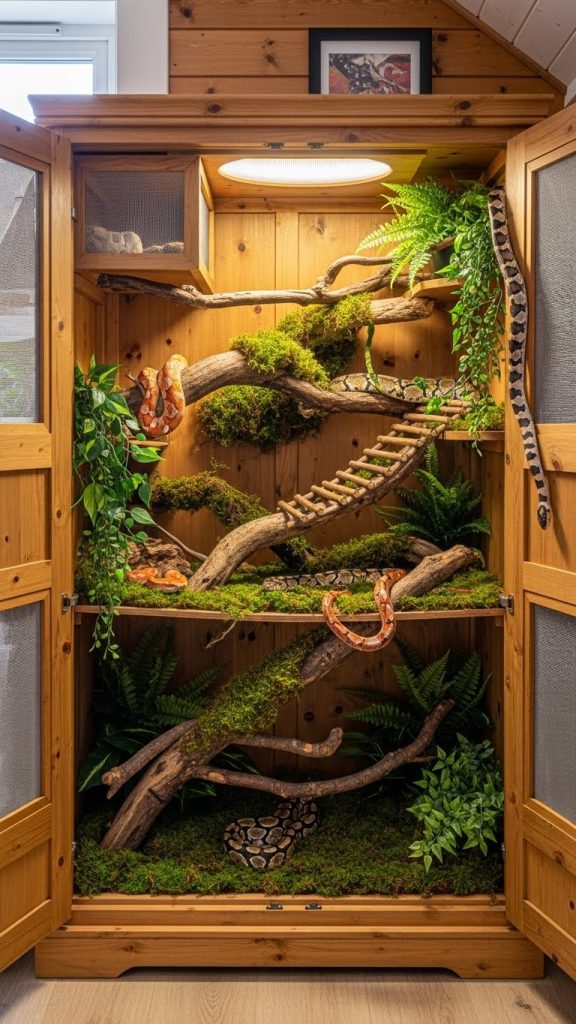
For a large snake or multiple snakes, a converted wardrobe provides ample space and vertical height.
- Materials needed: Sturdy wardrobe, mesh panels, shelving for hides, and locking mechanisms.
- Tips: Remove unnecessary drawers and reinforce shelves to hold decorations and climbing structures. Ventilation is critical, so cut panels or drill holes for airflow.
- Decor ideas: Use natural wood branches, moss, and reptile-safe plants to recreate a forest-like habitat.
This approach creates a visually impressive enclosure that can double as a statement piece in your room.
10. Outdoor Enclosure with Secure Housing
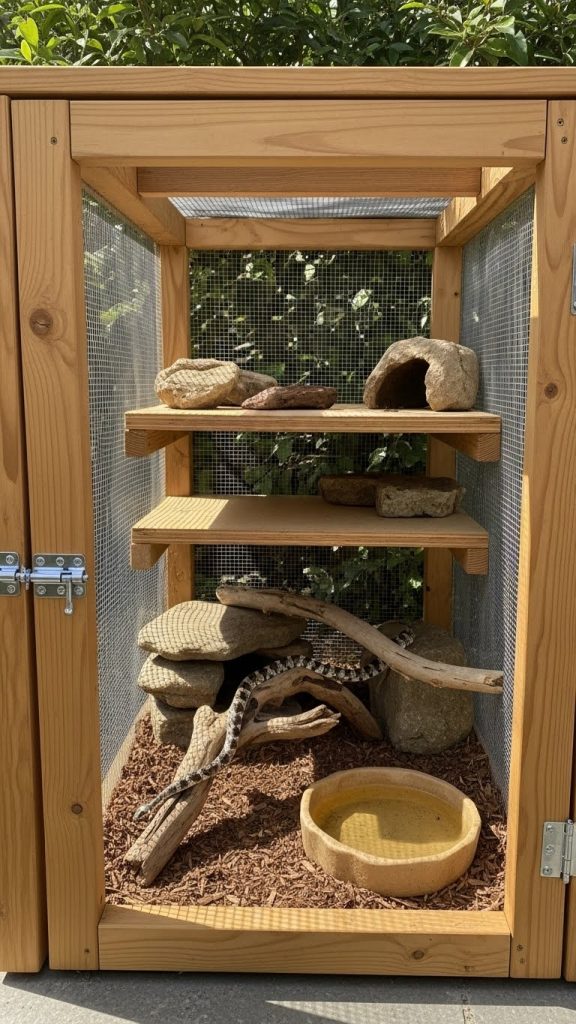
If you live in a climate suitable for snakes, an outdoor enclosure can provide natural light and fresh air.
- Materials needed: Wooden frame, wire mesh, waterproof tarp, and secure latches.
- Construction: Build a raised platform with a secure wire mesh cage to prevent escapes and protect the snake from predators. Include shaded areas and water sources.
- Advantages: Exposure to natural daylight and fresh air can enhance your snake’s well-being.
Outdoor cages require extra attention to weather, temperature, and safety but can be highly enriching for your pet.
Tips for DIY Snake Cages
Creating a DIY snake cage requires careful planning. Here are some universal tips:
- Safety First: Avoid gaps, sharp edges, or materials that can harm the snake.
- Temperature Control: Include heating pads, lamps, or under-tank heaters as required by your snake species.
- Humidity: Maintain appropriate humidity levels with water dishes, misting systems, or substrate choices.
- Hides and Enrichment: Snakes need hiding spots and environmental enrichment to reduce stress. Use logs, rocks, artificial plants, and tunnels.
- Cleaning: Choose materials that are easy to clean and sanitize. Removable trays and smooth surfaces make maintenance easier.
- Ventilation: Proper airflow prevents respiratory issues. Mesh panels or drilled holes help maintain oxygen levels.
- Observation: Transparent panels allow you to observe your snake without disturbing it.
Conclusion
DIY snake cages offer endless opportunities for creativity, functionality, and customization. Whether you choose a sleek glass terrarium, a repurposed cabinet, or a modular PVC system, the key is to prioritize your snake’s safety, comfort, and environmental needs. With careful planning and attention to detail, you can create a cage that is not only a safe home for your pet but also a beautiful and personalized piece of decor for your home.
Experiment with different materials, styles, and layouts, and don’t be afraid to think outside the box. Your snake will benefit from a thoughtfully designed habitat, and you will enjoy the satisfaction of providing a safe and stimulating environment for your unique and fascinating pet.
Author

admin@weltpromi.de
Related Posts

10 Luxury Bedroom Master Antique
Creating a luxurious master bedroom is all about blending comfort, elegance, and timeless design. When you add antique elements into the mix,...
Read out all
10 Luxury Master Bedroom Attic
Turning an attic into a luxurious master bedroom is an excellent way to maximize your home’s potential. Attics often come with unique...
Read out all
10 Luxury Bedroom Master Aesthetic
Creating a luxurious master bedroom is about more than just choosing expensive furniture. It is about crafting a space that embodies comfort,...
Read out all
10 Bedroom Bed Designs
Your bedroom is more than just a place to sleep—it’s a sanctuary, a personal retreat where style and comfort meet. Central to...
Read out all
10 Beige Bedroom Ideas
When it comes to bedroom design, beige is a timeless and versatile color that exudes warmth, sophistication, and calm. Unlike brighter colors...
Read out all
10 Cool Bedroom Ideas
Your bedroom is more than just a place to sleep. It is your sanctuary, your personal retreat, and a reflection of your...
Read out all