
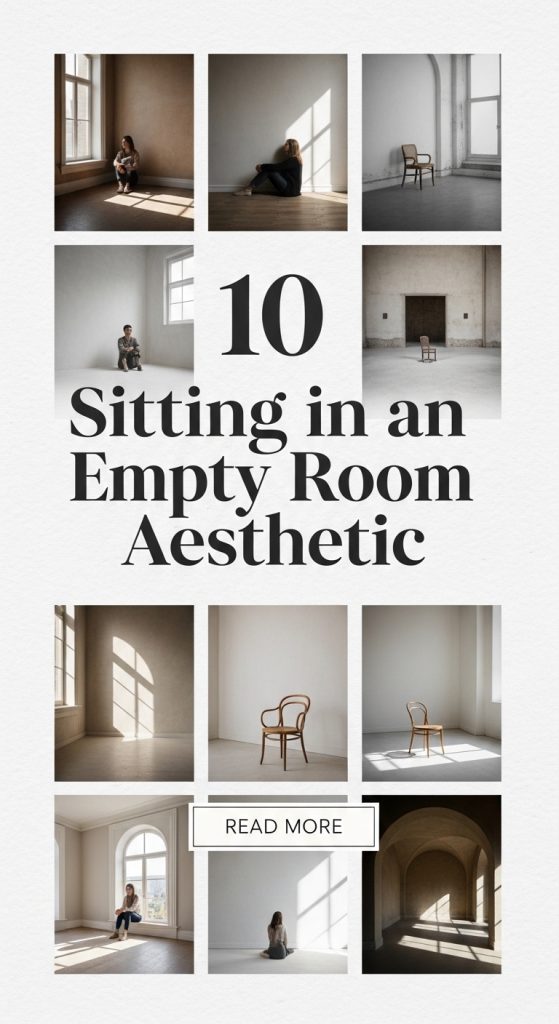
In a world that is constantly filled with noise, clutter, and digital distractions, there is something profoundly serene about the simplicity of an empty room. The aesthetic of sitting in an empty room is more than just minimalism; it is a lifestyle, a mindset, and an invitation to slow down. For Pinterest lovers and home decor enthusiasts, embracing this aesthetic can transform the way we live, think, and create. In this post, we explore the beauty, psychology, and inspiration behind the “sitting in an empty room” aesthetic, offering practical ideas and visual cues to bring this feeling into your own space.
1. The Philosophy of an Empty Room
The first step in understanding the appeal of sitting in an empty room is to explore the philosophy behind it. Minimalism is not just about reducing items; it is about creating space for mental clarity. When a room is empty or minimally furnished, it encourages introspection and mindfulness. The absence of clutter allows your thoughts to flow freely and gives your mind a break from constant stimulation.
This aesthetic draws from several philosophies, including Zen Buddhism, Scandinavian design principles, and modern minimalism. Zen philosophy emphasizes the importance of empty space, or ma, as a way to invite balance and calm. Similarly, Scandinavian design focuses on simplicity, light, and functionality, creating spaces that feel open, airy, and purposeful.

2. Choosing the Right Room
Not every room is suitable for the empty room aesthetic. The best choices are those with natural light, a quiet atmosphere, and a neutral color palette. While a living room or bedroom can be transformed, even a small corner of your home can become a sanctuary.
When choosing a room, consider these factors:
- Lighting: Natural light is ideal. Large windows or skylights enhance the feeling of openness.
- Sound: Minimal noise allows the room to act as a retreat for thought or meditation.
- Space: Even a small space can feel empty if it is well-organized and free of clutter.

3. Color Palettes for Minimalist Calm
The color palette of an empty room is essential to the aesthetic. Neutral tones like white, beige, light gray, or muted pastels evoke a sense of calm. These colors not only make the space appear larger but also provide a blank canvas for the mind to wander.
Consider layering textures instead of colors to maintain interest without clutter. A soft rug, linen curtains, or a simple cushion can add depth without overpowering the simplicity. Avoid bold patterns or bright, distracting colors if your goal is tranquility.

4. Furniture Choices: Less is More
In a sitting-in-an-empty-room aesthetic, furniture should be minimal, purposeful, and unobtrusive. One carefully chosen chair, a low table, or a floor cushion can suffice. Avoid unnecessary pieces that disrupt the sense of openness.
Some practical furniture choices include:
- A single lounge chair or armchair: Offers comfort without crowding the space.
- Floor cushions or mats: Perfect for meditation or reading.
- Low-profile tables: Functional but not visually heavy.
Remember, the goal is not to eliminate comfort but to create intentional, mindful spaces.

5. Embracing Silence
One of the most powerful aspects of an empty room is the ability to experience silence. In modern life, silence is rare and precious. Sitting in a quiet, uncluttered room allows you to hear your thoughts, reflect, and even find inspiration.
This aesthetic encourages a practice similar to meditation. Even a few minutes of sitting in silence each day can reduce stress, improve focus, and enhance creativity. For Pinterest enthusiasts, capturing the mood of silence through photography or styling can make your boards feel serene and aspirational.
6. Lighting and Shadows
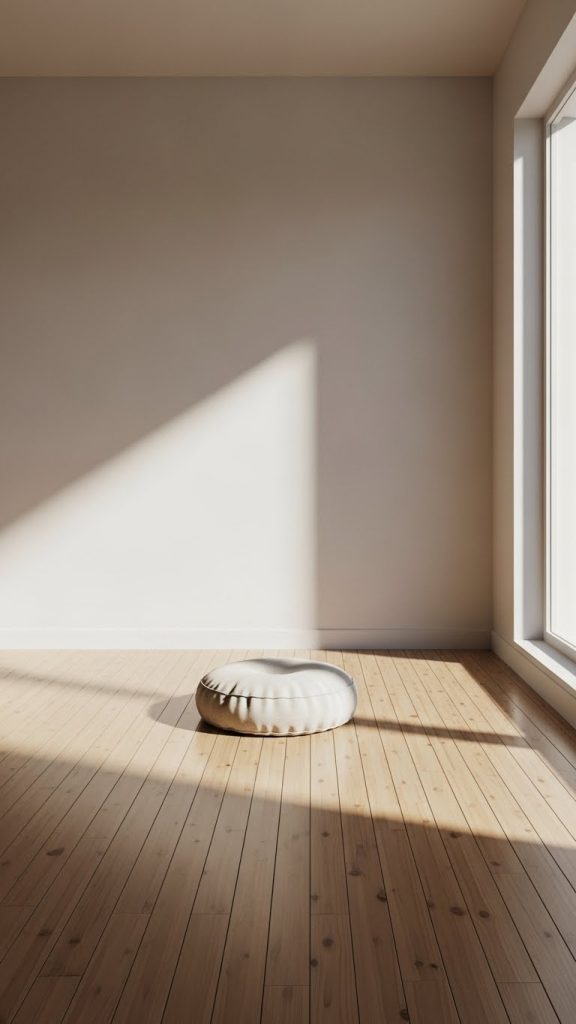
Lighting plays a crucial role in creating the empty room aesthetic. Soft, diffused light emphasizes openness and tranquility. Large windows with sheer curtains can create beautiful patterns of light and shadow that change throughout the day.
Consider the following lighting ideas:
- Natural light: Maximize daylight for a sense of airiness.
- Soft artificial lighting: Use warm LED bulbs or lamps for evening ambiance.
- Shadow play: Empty rooms allow shadows to create art on walls, adding depth without clutter.
Lighting is not just functional; it is an emotional tool that shapes the mood of the space.

7. Minimal Decor Ideas
Decor in an empty room is subtle and intentional. Each item should have a purpose, whether functional or aesthetic. Minimal decor reinforces calmness and keeps the focus on space itself.
Ideas for subtle decor include:
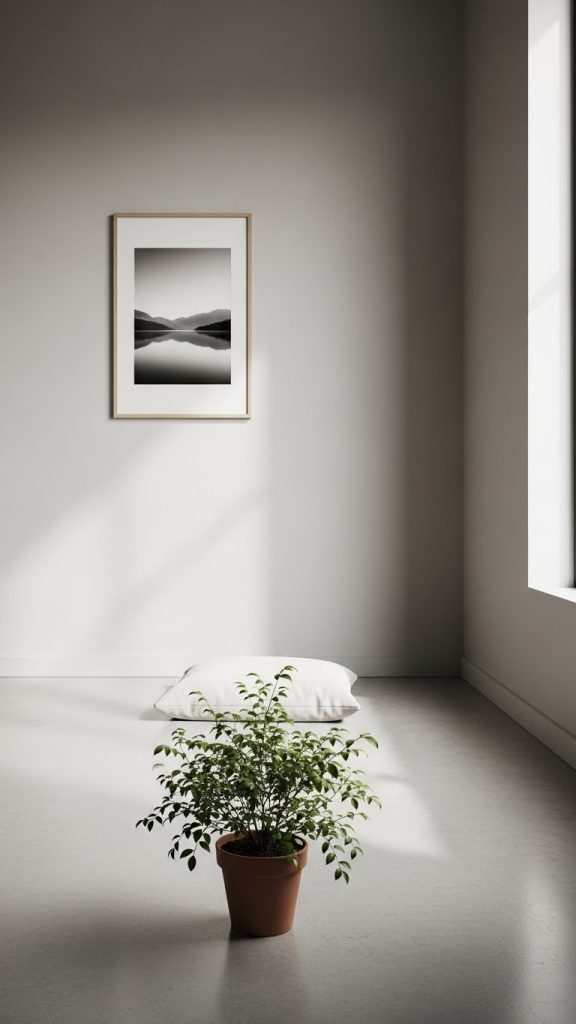
- A single plant: Adds life without crowding.
- Wall art or framed photography: One carefully chosen piece can draw attention and inspire reflection.
- Books or a journal: Encourages creative thought while maintaining simplicity.
The key is to avoid filling the room with items that compete for attention.
8. Photography and Pinterest Inspiration
The empty room aesthetic is incredibly popular on Pinterest because it photographs beautifully. Clean lines, soft lighting, and open space create visually striking images that evoke calm and creativity.
For Pinterest content:
- Focus on symmetry and balance in your shots.
- Capture natural light streaming into the room.
- Use a minimalist color palette to maintain aesthetic consistency.
- Include a person sitting in the room to add human connection while emphasizing emptiness.
Images of a single chair by a window, a cushion on a wooden floor, or a soft blanket on the floor all resonate with followers seeking mindfulness and simplicity.

9. The Psychological Benefits
Sitting in an empty room is not only aesthetically pleasing but also psychologically beneficial. Research shows that decluttered environments reduce stress, improve mental clarity, and foster creativity.
Benefits include:
- Stress reduction: Open space gives your mind room to breathe.
- Enhanced focus: Fewer distractions mean you can concentrate better.
- Mindfulness and meditation: An empty space encourages presence and self-awareness.
- Creativity boost: Blank spaces often spark new ideas and inspiration.
By creating an empty room aesthetic, you are designing not just a visual experience, but also a mental sanctuary.

10. Creating Your Personal Empty Room Sanctuary
Finally, the empty room aesthetic is deeply personal. Each room should reflect your needs, tastes, and lifestyle. While one person may prefer a completely bare room, another might incorporate a single chair, a rug, or a small plant.
Steps to create your own sanctuary:
- Declutter: Remove unnecessary items and furniture.
- Choose a neutral palette: Stick to calming colors and soft textures.
- Select essential furniture: Only keep items that serve comfort or function.
- Add subtle decor: A plant, a book, or a piece of art is enough.
- Embrace silence: Use the room for reflection, meditation, or relaxation.
- Capture inspiration: Take photos or journal your thoughts to document your journey.
Your empty room becomes a reflection of your inner calm and an expression of simplicity in a complex world.

Conclusion
The sitting-in-an-empty-room aesthetic is more than a visual trend. It is a philosophy that encourages mindfulness, simplicity, and creativity. By embracing this aesthetic, you can create spaces that offer peace, reflection, and inspiration. Whether you are a Pinterest enthusiast, a minimalism lover, or someone seeking mental clarity, the empty room offers a quiet sanctuary in a busy world.
Through neutral tones, minimal furniture, soft lighting, and intentional decor, you can transform any room into a serene escape. The beauty of this aesthetic lies not in what is added, but in what is removed. It is the art of stillness, the elegance of simplicity, and the power of emptiness.
Embrace the calm, explore your creativity, and find joy in simplicity. Sitting in an empty room is not just an aesthetic—it is a way to reconnect with yourself and your surroundings. The next time you seek peace, clarity, or inspiration, step into your empty room and let the simplicity inspire you.
Author

admin@weltpromi.de
Related Posts
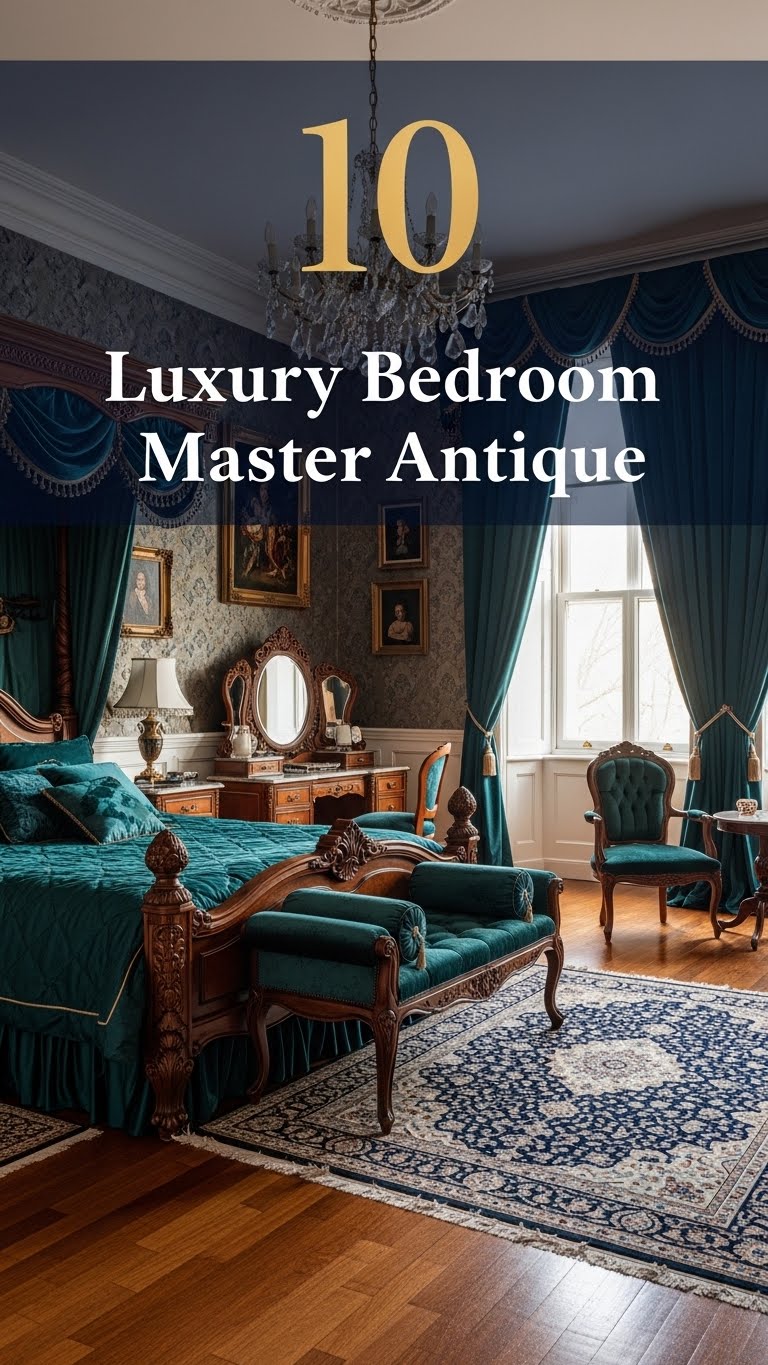
10 Luxury Bedroom Master Antique
Creating a luxurious master bedroom is all about blending comfort, elegance, and timeless design. When you add antique elements into the mix,...
Read out all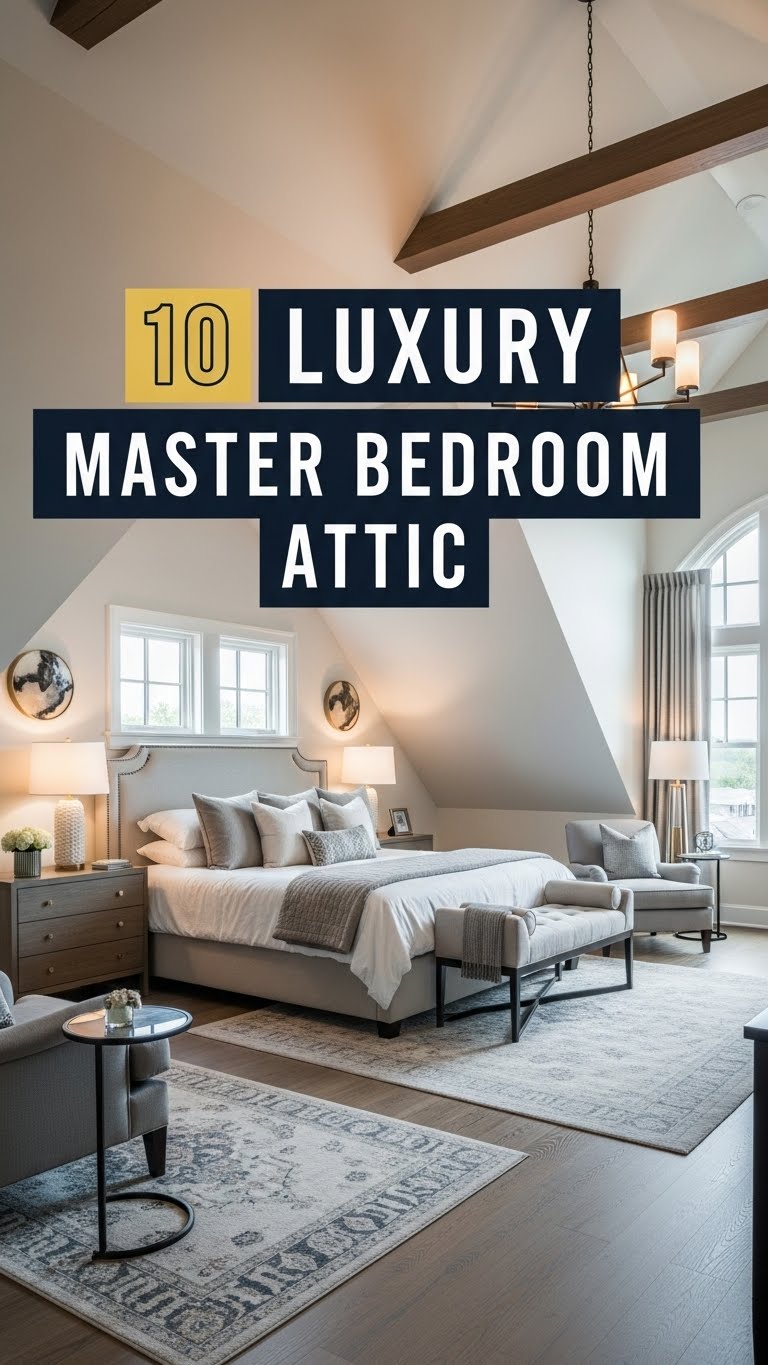
10 Luxury Master Bedroom Attic
Turning an attic into a luxurious master bedroom is an excellent way to maximize your home’s potential. Attics often come with unique...
Read out all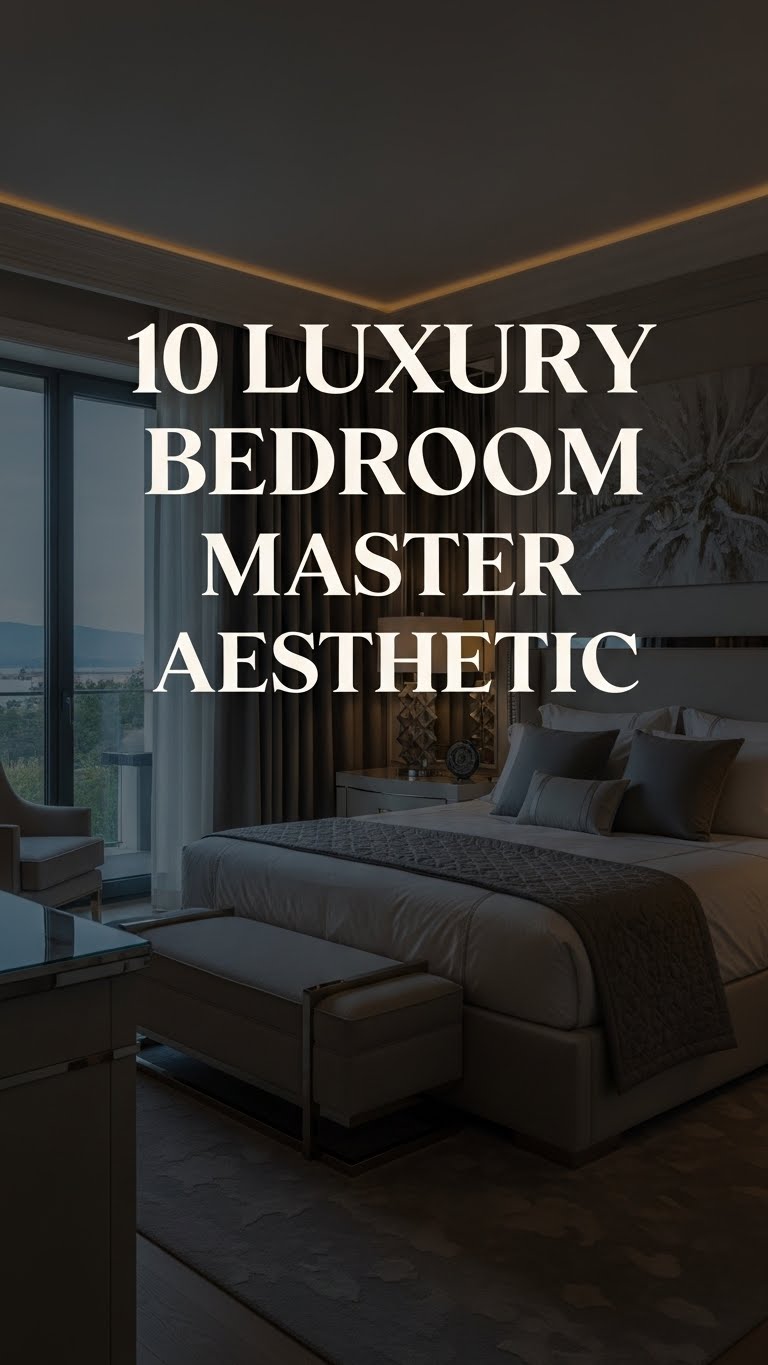
10 Luxury Bedroom Master Aesthetic
Creating a luxurious master bedroom is about more than just choosing expensive furniture. It is about crafting a space that embodies comfort,...
Read out all
10 Bedroom Bed Designs
Your bedroom is more than just a place to sleep—it’s a sanctuary, a personal retreat where style and comfort meet. Central to...
Read out all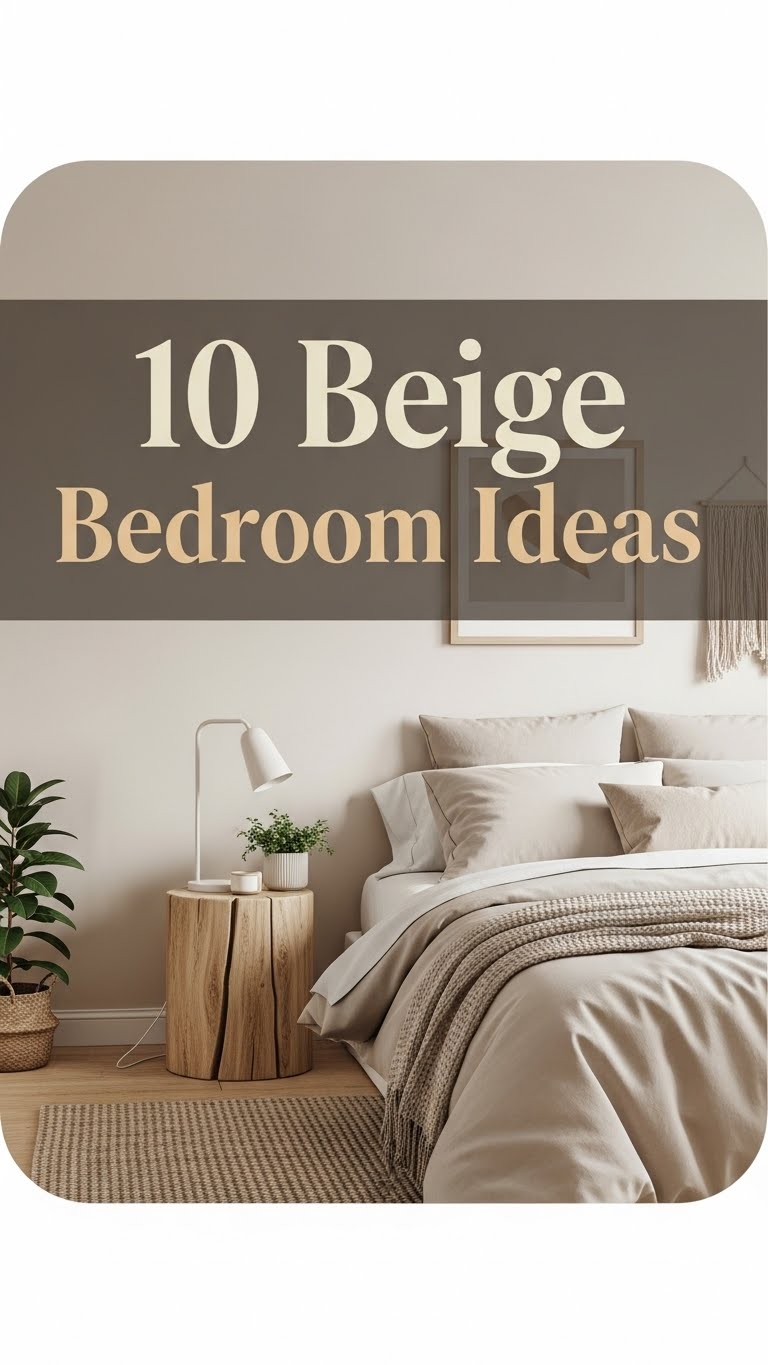
10 Beige Bedroom Ideas
When it comes to bedroom design, beige is a timeless and versatile color that exudes warmth, sophistication, and calm. Unlike brighter colors...
Read out all
10 Cool Bedroom Ideas
Your bedroom is more than just a place to sleep. It is your sanctuary, your personal retreat, and a reflection of your...
Read out all