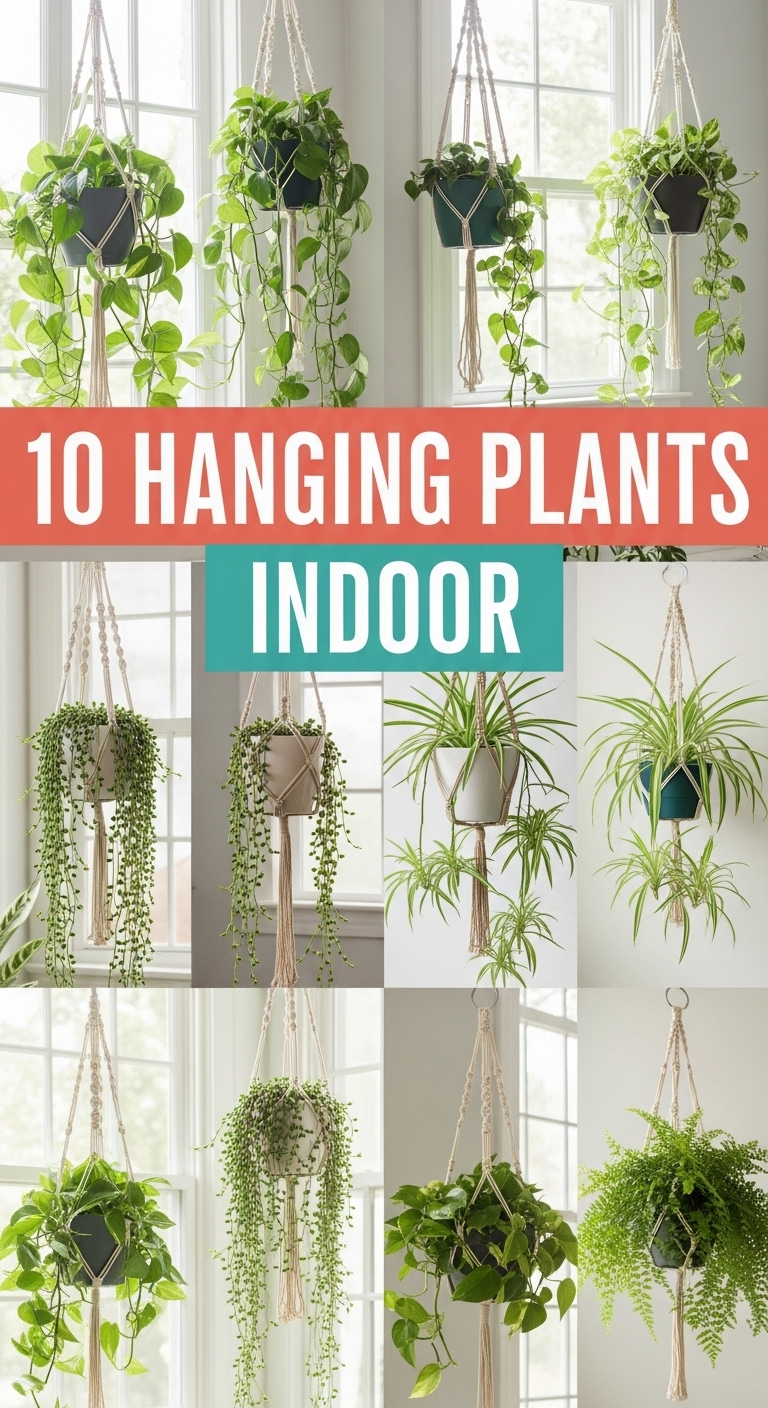
Creating a lush, inviting home with greenery is one of the simplest ways to bring nature indoors. Among all the ways to decorate with plants, hanging plants hold a special charm. They save space, add vertical interest, and bring a cozy, serene vibe to any room. Whether you live in a small apartment, a modern home, or a rustic cottage, hanging plants are a versatile way to add color and freshness to your interiors.
This blog explores ten of the best hanging plants for indoor spaces. Each of these plants not only enhances your home’s visual appeal but also helps purify the air and create a calming environment. From trailing vines to tropical foliage, these hanging plants can transform dull corners into lush focal points.
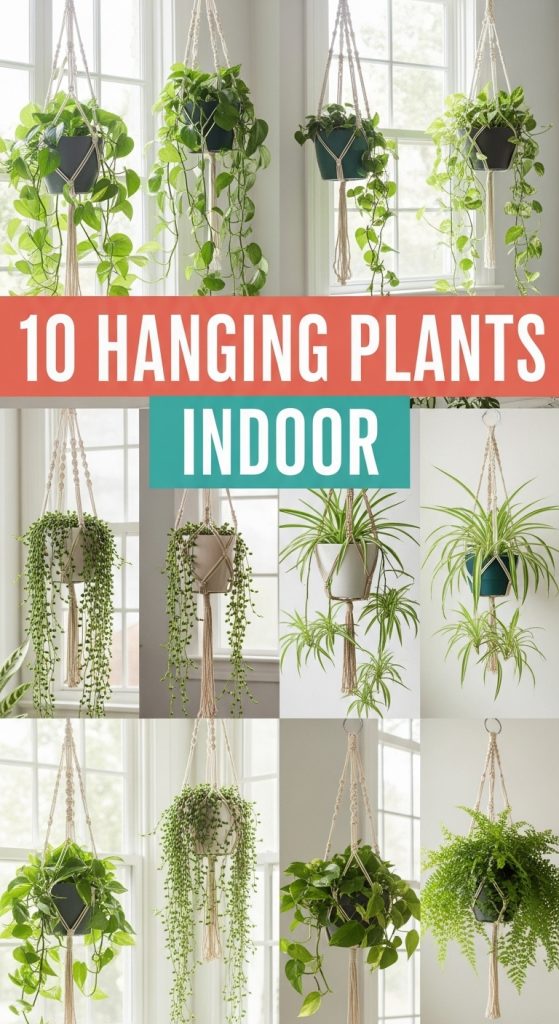
1. English Ivy
English Ivy is a classic choice for indoor hanging plants. Its cascading vines and lush green leaves make it ideal for adding elegance to any space. This plant thrives in bright, indirect light but can tolerate low-light conditions as well. It’s especially great for hanging baskets in living rooms, bathrooms, or kitchens where it can trail beautifully along shelves or walls.
To keep English Ivy healthy, water it when the top inch of soil feels dry. It prefers cool, moderate temperatures and a bit of humidity. Regular pruning helps maintain its shape and encourages new growth. For an added bonus, English Ivy also helps reduce airborne mold and toxins, improving indoor air quality.

2. String of Pearls
String of Pearls is a unique and striking succulent with long, delicate strands covered in bead-like leaves. It looks beautiful cascading down from hanging pots or macrame planters. The plant is a great choice for sunny windowsills or bright corners where it can soak up plenty of light.
String of Pearls needs minimal watering, making it perfect for busy plant lovers. Allow the soil to dry completely between waterings to prevent root rot. It thrives in sandy, well-draining soil and should be protected from excessive humidity. This plant’s whimsical, cascading look makes it an eye-catching centerpiece in any room.

3. Spider Plant
Spider Plants are among the most popular indoor plants because of their resilience and easy care. They feature long, arching leaves with green and white stripes, and they produce small baby offshoots known as “spiderettes.” These offshoots dangle beautifully from the mother plant, creating a charming hanging display.
Spider Plants are adaptable to a range of light conditions, from low to bright indirect light. They prefer slightly moist soil and occasional misting. As a bonus, they are known for their air-purifying qualities, removing toxins like formaldehyde and carbon monoxide. Hang them in living rooms or kitchens to enjoy both their beauty and benefits.

4. Pothos
Pothos, also known as Devil’s Ivy, is a favorite among plant enthusiasts for its heart-shaped leaves and fast-growing vines. It is one of the easiest plants to grow indoors and can adapt to almost any lighting condition. Pothos can be trained to climb walls or allowed to trail from a hanging basket, creating a lush green waterfall effect.
The plant prefers moderate watering, allowing the soil to dry out slightly between sessions. It’s tolerant of neglect, making it perfect for beginners. Pothos comes in several varieties, such as golden, marble queen, and neon, each offering unique leaf patterns. It’s an excellent choice for offices or living spaces needing a touch of greenery.

5. Boston Fern
The Boston Fern is a timeless favorite for adding texture and freshness to indoor spaces. With its feathery, arching fronds, this plant brings a sense of tranquility and natural beauty. It thrives in humid conditions, making it a wonderful addition to bathrooms or kitchens.
Boston Ferns prefer indirect light and consistently moist soil. They benefit from regular misting to maintain humidity levels. Their lush foliage makes them ideal for hanging baskets where the fronds can gracefully drape down. The Boston Fern is also known for its air-purifying properties, helping remove toxins from indoor air.

6. String of Hearts
The String of Hearts is a delicate and charming hanging plant with long trailing vines and small, heart-shaped leaves. Its unique silver-green foliage adds a touch of romance and softness to any space. This plant thrives in bright, indirect light and well-draining soil.
String of Hearts requires minimal maintenance. Water only when the soil has completely dried out. Overwatering can harm its roots, so less is often more. It grows quickly in the right environment, and its vines can reach several feet long, making it a lovely choice for high shelves or window hangers.

7. Philodendron
Philodendrons are a diverse group of plants, many of which make excellent hanging choices. With their lush, trailing vines and large, glossy leaves, they bring a tropical touch indoors. Heartleaf Philodendron, in particular, is one of the easiest types to care for.
This plant prefers medium to bright indirect light and slightly moist soil. It’s forgiving of occasional neglect and adapts well to various environments. Philodendrons grow vigorously and look great in hanging planters or macrame holders. Their ability to purify air and their low-maintenance nature make them an ideal addition to any home.

8. String of Bananas
String of Bananas is a fun and quirky succulent with banana-shaped leaves that trail elegantly from hanging pots. It’s a relative of the String of Pearls but slightly easier to grow. This plant enjoys bright, indirect sunlight and thrives when placed near a sunny window.
Like most succulents, String of Bananas prefers infrequent watering. Allow the soil to dry out before watering again. It’s drought-tolerant and perfect for plant owners who might forget a watering or two. Its fast-growing, cascading vines make it a wonderful decorative piece for minimalist or modern interiors.

9. Burros Tail
Burros Tail, also known as Donkey’s Tail, is another succulent known for its unique trailing stems covered in plump, overlapping leaves. It’s perfect for hanging baskets and looks best when allowed to drape over the edges of its container.
This plant loves bright light but should be protected from intense direct sunlight, which can scorch its leaves. Water sparingly and ensure good drainage. Burros Tail is a great plant for adding texture and interest to your hanging garden. Its soft green color complements neutral or natural home decor beautifully.

10. Hoya
The Hoya, also known as the Wax Plant, is a tropical favorite with thick, glossy leaves and clusters of fragrant star-shaped flowers. It’s a slow grower but rewards patience with its long-lasting blooms and elegant vines.
Hoya plants thrive in bright, indirect light and prefer to dry out between waterings. They do well in hanging planters where their vines can trail freely. With the right care, they can live for many years, becoming a beloved part of your indoor plant collection. Their blooms add a touch of sweetness and beauty to any space.

Tips for Styling Indoor Hanging Plants
While choosing the right plants is essential, styling them effectively makes all the difference. Here are a few ways to make your hanging plants stand out and complement your decor:
Use Different Heights
Varying the height of your hanging planters adds visual depth and dimension. You can hang some near the ceiling, others at eye level, or place them on shelves with trailing vines cascading downward. This layering effect creates a lush, dynamic display.
Mix and Match Planters
Experiment with various planter materials such as ceramic, metal, wicker, or glass. Neutral-colored pots create a clean look, while bold colors or textured finishes add character. Macrame hangers also add a cozy bohemian feel to interiors.
Choose the Right Spot
Most hanging plants thrive in bright, indirect light. Place them near windows, skylights, or well-lit corners. If your room lacks natural light, consider using grow lights to keep your plants healthy and vibrant.
Create a Green Corner
Dedicate a specific corner of your room to hanging plants for an instant indoor garden effect. Combine different plant types with various leaf shapes and textures for a rich, layered appearance. Add a comfy chair and soft lighting to create a peaceful green retreat.
Rotate and Prune Regularly
Rotate your plants occasionally to ensure even light exposure and growth. Regular pruning encourages fuller vines and prevents them from getting tangled or sparse. Remove yellow or damaged leaves to keep them looking fresh.
Maintain Humidity
Many indoor plants, especially tropical varieties, love humidity. To keep them happy, mist their leaves regularly or place a small humidifier nearby. Grouping plants together can also help increase the humidity around them naturally.
Use Safe Hooks and Fixtures
Ensure your hanging planters are securely fastened to the ceiling or wall using appropriate hooks and anchors. Choose materials that can support the weight of your plants, especially after watering when pots become heavier.
Benefits of Indoor Hanging Plants
Hanging plants are more than just decorative elements. They bring several benefits to your home environment, making them worth the effort and care.
Air Purification
Many indoor plants, such as English Ivy, Spider Plants, and Pothos, naturally filter toxins from the air. They remove harmful chemicals like benzene and formaldehyde, improving the overall air quality in your home.
Stress Reduction
Studies show that indoor greenery helps reduce stress and anxiety. The act of caring for plants and being surrounded by nature-like elements promotes relaxation and boosts mental well-being.
Space Saving
Hanging plants are perfect for small apartments or rooms with limited floor space. By utilizing vertical areas, you can enjoy the benefits of indoor gardening without cluttering surfaces.
Aesthetic Appeal
From modern minimalist designs to boho-inspired spaces, hanging plants enhance every decor style. They add movement, color, and a sense of life that other decor elements cannot match.
How to Care for Hanging Plants
While hanging plants are generally easy to maintain, a consistent care routine ensures they remain lush and healthy.
- Light: Most indoor hanging plants prefer bright but indirect light. Avoid harsh sun exposure that may scorch the leaves.
- Water: Always check the soil moisture before watering. Overwatering is one of the most common causes of plant issues.
- Fertilizer: Use a balanced liquid fertilizer once a month during the growing season (spring and summer) to encourage strong growth.
- Pruning: Trim overgrown or tangled vines to keep plants tidy and encourage new growth.
- Dusting: Wipe leaves occasionally with a damp cloth to remove dust and allow for better photosynthesis.
- Re-potting: As plants grow, repot them every one to two years to provide fresh soil and space for root expansion.
Final Thoughts
Incorporating hanging plants into your indoor decor brings beauty, serenity, and a touch of nature to any home. Whether you choose the classic elegance of English Ivy, the playful charm of String of Pearls, or the tropical appeal of Philodendrons, each plant has its own character and charm.
The key to a stunning hanging plant display lies in mixing textures, varying heights, and ensuring proper care. Over time, these plants will grow and thrive, turning your living space into a vibrant indoor oasis. With the right balance of light, care, and creativity, your hanging plants will flourish, making your home feel fresher, cozier, and more alive every day.
Author

admin@weltpromi.de
Related Posts

10 Luxury Bedroom Master Antique
Creating a luxurious master bedroom is all about blending comfort, elegance, and timeless design. When you add antique elements into the mix,...
Read out all
10 Luxury Master Bedroom Attic
Turning an attic into a luxurious master bedroom is an excellent way to maximize your home’s potential. Attics often come with unique...
Read out all
10 Luxury Bedroom Master Aesthetic
Creating a luxurious master bedroom is about more than just choosing expensive furniture. It is about crafting a space that embodies comfort,...
Read out all
10 Bedroom Bed Designs
Your bedroom is more than just a place to sleep—it’s a sanctuary, a personal retreat where style and comfort meet. Central to...
Read out all
10 Beige Bedroom Ideas
When it comes to bedroom design, beige is a timeless and versatile color that exudes warmth, sophistication, and calm. Unlike brighter colors...
Read out all
10 Cool Bedroom Ideas
Your bedroom is more than just a place to sleep. It is your sanctuary, your personal retreat, and a reflection of your...
Read out all