Creating a fun and functional playroom for your kids in a small space can seem like a challenge, but with some creativity and DIY inspiration, you can turn even the tiniest corner into a playful retreat. Whether you live in an apartment, small home, or just want to maximize a shared room, these small-space playroom ideas will help you design an area that sparks imagination, promotes organization, and encourages play.
In this guide, we will explore 10 clever DIY ideas for small playrooms, each designed to make the most of your available space while keeping things affordable and stylish.
1. Wall-Mounted Storage Solutions
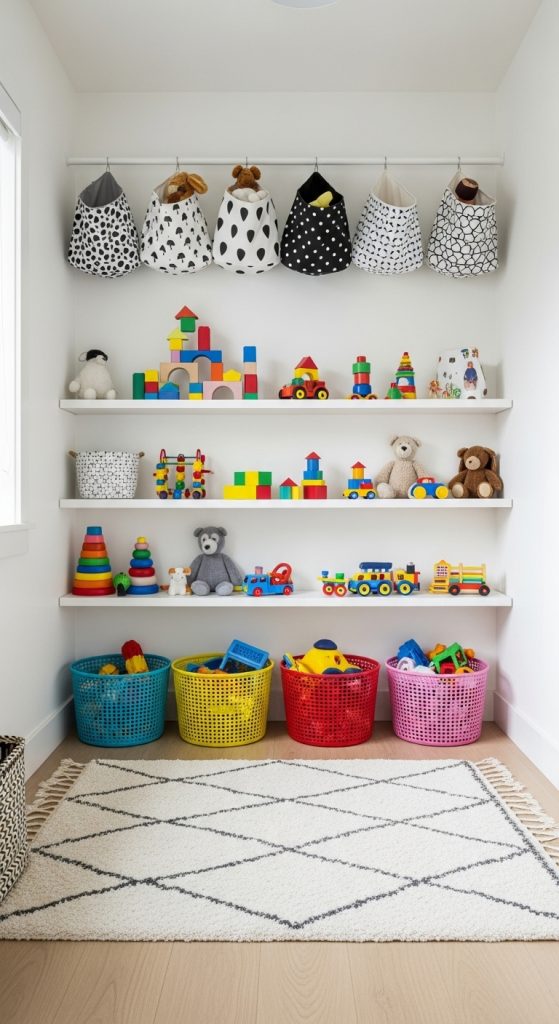
When floor space is limited, think vertical. Walls are often underused but can become a major storage asset in a small playroom. Wall-mounted shelves, pegboards, or hanging baskets can help keep toys, art supplies, and books neatly organized while freeing up valuable play area.
DIY Tip:
Install floating shelves at varying heights so that kids can reach some toys while others remain out of the way. For a creative twist, paint the shelves in bright, cheerful colors to add personality. You can also use a pegboard to hang baskets or buckets filled with small toys or craft supplies.
Bonus Idea:
Use magnetic strips on the wall to hold toy cars or small metal pieces. It adds fun and practicality at the same time.
2. Convertible Furniture for Multi-Purpose Use
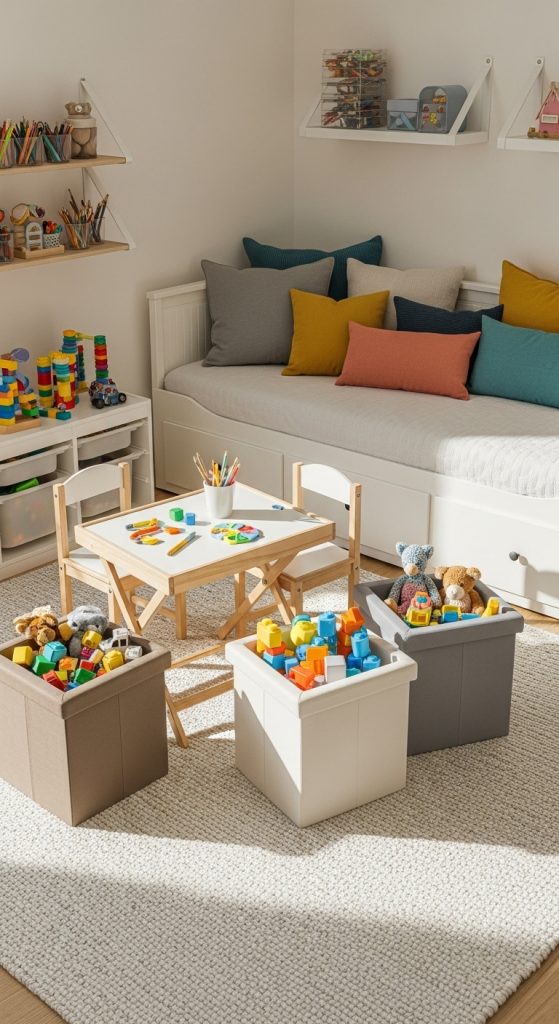
A great way to make the most of a small playroom is to use furniture that serves more than one purpose. A foldable table that doubles as a craft station or a storage ottoman that also works as a seat are perfect examples of space-smart solutions.
DIY Tip:
You can create a multipurpose play table by attaching storage crates underneath a sturdy wooden tabletop. This can hold blocks, puzzles, or art supplies, and you can easily slide chairs under when not in use.
Bonus Idea:
Consider a daybed with built-in drawers. During the day, it serves as a reading nook, and at night it can be used for sleepovers or rest time.
3. Creative Use of Corners
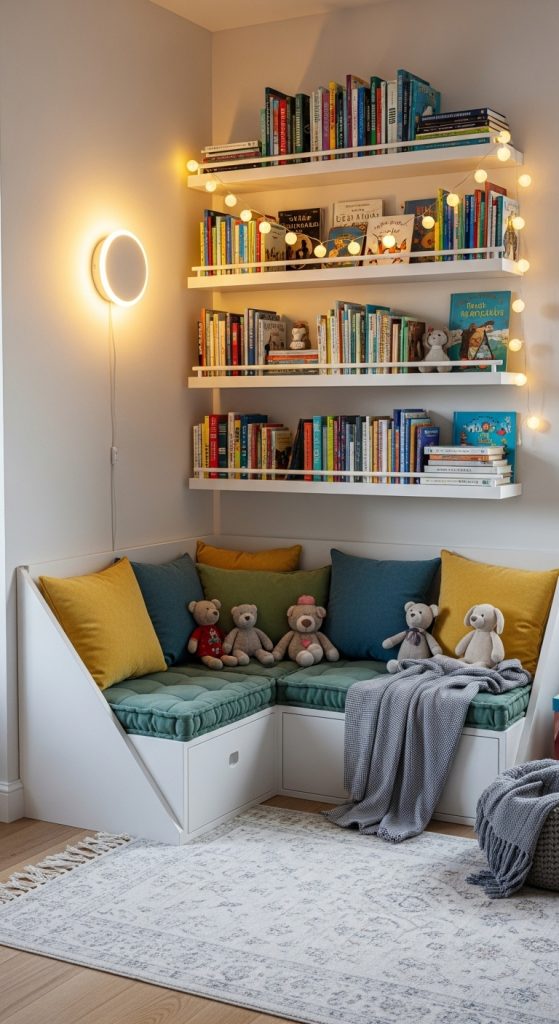
Corners often go unused, but they can be transformed into cozy and functional play zones. Whether you design a mini reading nook or a pretend play area, corner spaces can make your playroom feel intentional and organized.
DIY Tip:
Build a small triangular bench that fits perfectly into a corner. Add cushions and a soft rug to create a quiet reading nook. Floating shelves above can hold books or small toys.
Bonus Idea:
Turn a corner into a pretend kitchen or grocery store setup using cardboard boxes, paint, and imagination.
4. Under-the-Bed Play Zone
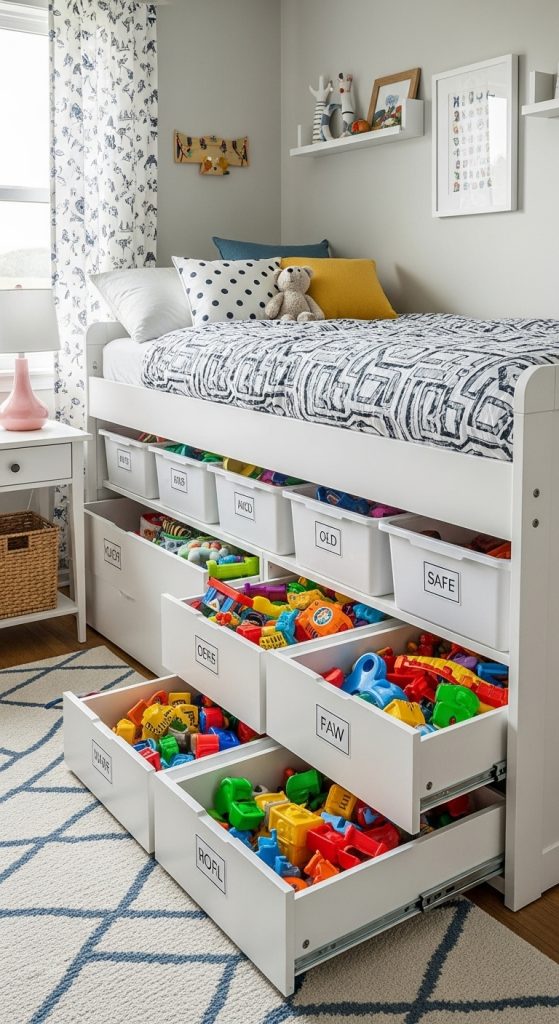
If your child’s playroom doubles as their bedroom, you can utilize the space under the bed for both storage and play. This approach keeps things tidy and makes cleanup easier.
DIY Tip:
Add sliding bins or pull-out drawers under the bed to organize toys. You can also create a low platform bed with built-in cubbies underneath. Paint the drawers in fun colors and label them for easy sorting.
Bonus Idea:
For toddlers, build a low “under-bed fort” by adding curtains around the bottom of the bed. It instantly becomes a magical hideaway for imaginative play.
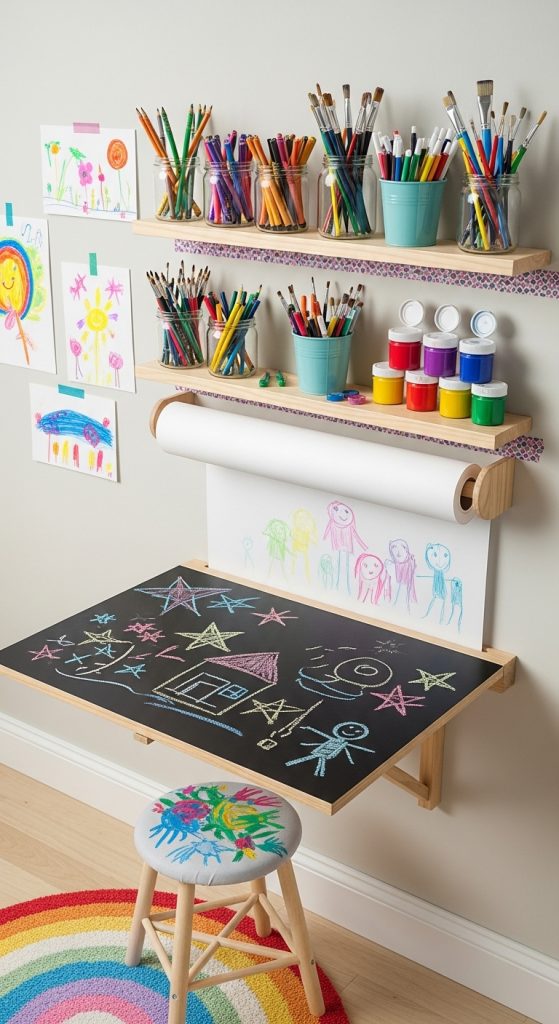
5. Fold-Down Play Tables
In small spaces, having a table that folds down from the wall is a game-changer. It gives kids a dedicated craft or Lego space that can be neatly folded away when playtime is over.
DIY Tip:
Use a sturdy piece of wood and wall hinges to create a fold-down table. Add a small latch to secure it against the wall when not in use. Paint it with chalkboard paint so it can also double as a drawing surface.
Bonus Idea:
Mount a few small storage bins above the fold-down table to hold crayons, paper, and markers, keeping everything tidy and within reach.
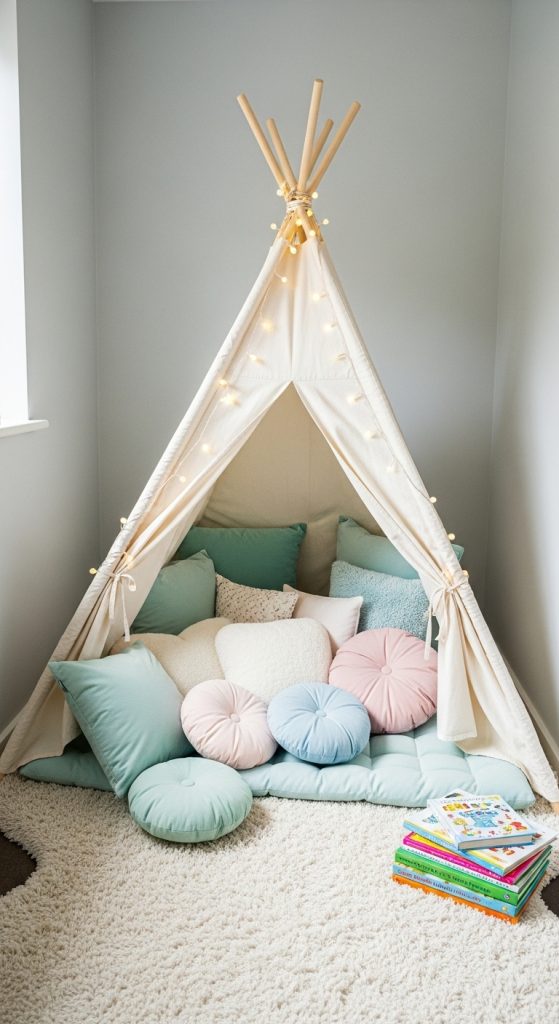
6. DIY Play Tents and Teepees
Every child loves a hideaway space. Even in small rooms, a DIY play tent or teepee can create a magical zone for reading, playing, or relaxing.
DIY Tip:
You can make a simple teepee using wooden dowels and a sheet or lightweight fabric. Tie the top with rope or string and drape the fabric around it. Add a soft rug and a few cushions for comfort.
Bonus Idea:
Hang string lights inside to give it a cozy glow. If you are tight on floor space, consider a wall-mounted canopy that creates a similar feel without taking up as much room.
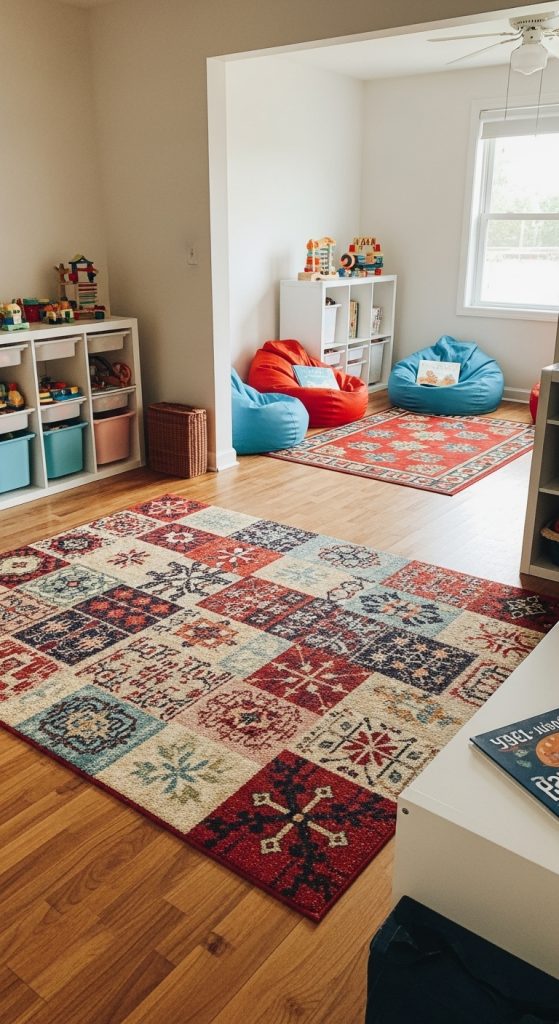
7. Use Rugs to Define Zones
If your small playroom serves multiple purposes, rugs are an excellent way to visually divide the space. You can separate reading, crafting, and play areas without using bulky furniture or partitions.
DIY Tip:
Choose washable rugs in fun patterns or bright colors. You can even paint a rug yourself using stencils and fabric paint for a custom look.
Bonus Idea:
Use puzzle foam mats for the play zone. They are soft, easy to clean, and can be customized in different shapes and colors.
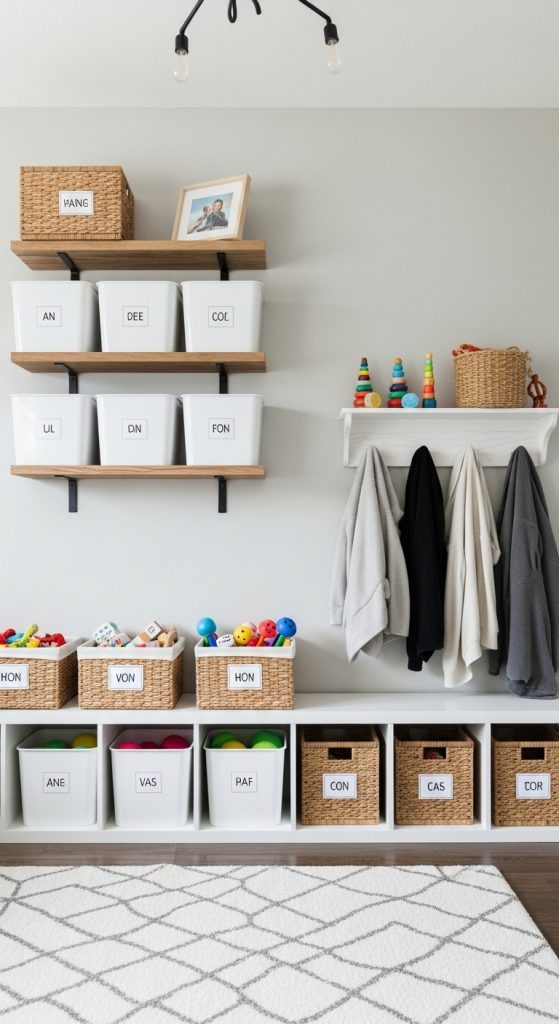
8. Smart Toy Storage with Labels
Organization is key in a small playroom. Having a proper system helps your child learn to clean up after themselves while keeping clutter under control.
DIY Tip:
Repurpose old crates, baskets, or clear plastic bins for toy storage. Label each bin with words or pictures to make cleanup easy and fun for young kids. Use a bookshelf or cubby unit to keep everything accessible.
Bonus Idea:
Attach rolling bins under a bench or low shelf for easy access and mobility. Rolling storage is perfect for tight spaces since it can be tucked away when not needed.
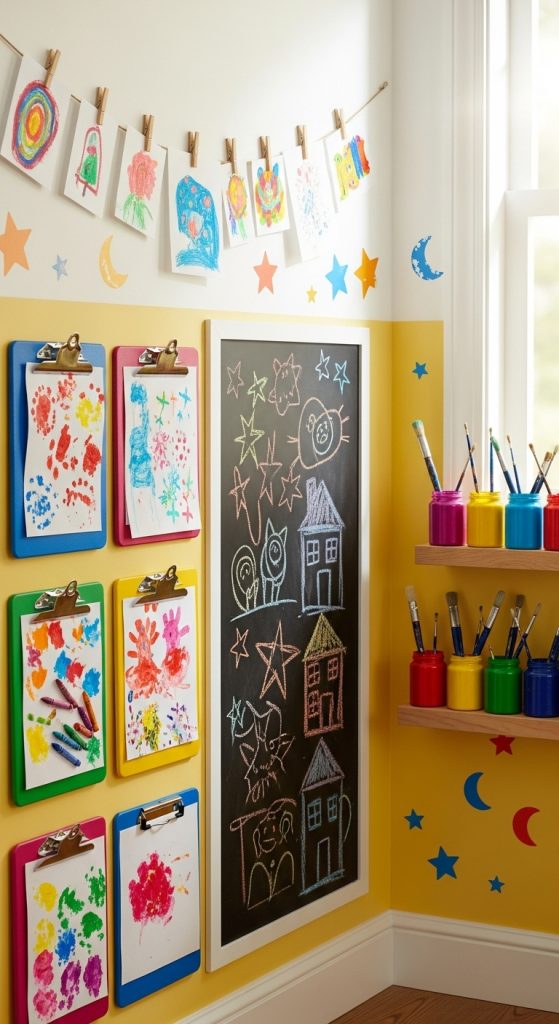
9. Art Display and Creation Wall
Kids love to show off their artwork, and a dedicated art wall not only displays their creativity but also inspires them to make more.
DIY Tip:
Create a display area using clipboards, string with clothespins, or corkboards. You can also paint one section of the wall with chalkboard or whiteboard paint so your child can draw directly on it.
Bonus Idea:
Install a small ledge shelf below the art display area to hold markers, paints, and brushes. This transforms one wall into a complete art studio setup without taking up floor space.
10. Vertical Play Features
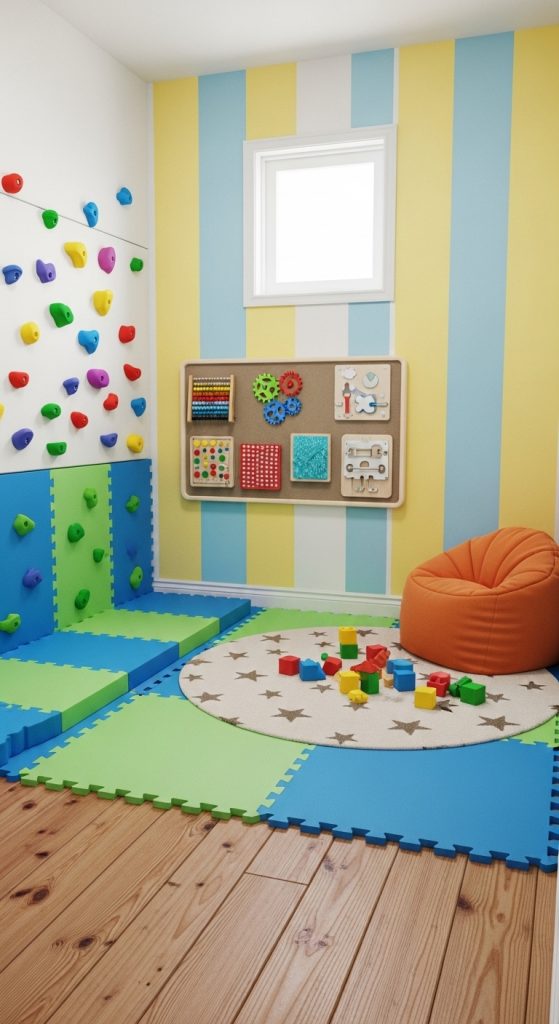
For families short on floor space, think upward. Vertical play structures such as climbing walls, wall ladders, or mounted activity boards can provide hours of fun without using up much square footage.
DIY Tip:
Build a mini climbing wall with plywood, climbing holds, and foam mats below for safety. Or create a sensory wall using various textures like felt, zippers, buttons, and Velcro patches for toddlers.
Bonus Idea:
Hang a swing or hammock chair from the ceiling (make sure it’s securely anchored). It adds a fun, dynamic element that encourages movement and relaxation.
Tips for Designing a Small DIY Playroom
Creating a small-space playroom involves more than just décor. It requires thoughtful planning, organization, and design balance. Below are some additional tips to help you make the most of your project.
1. Choose a Theme or Color Scheme
A cohesive color palette instantly makes the room feel more organized and spacious. Light colors make the room appear bigger, while a few bold accents add personality.
2. Use Furniture with Legs
Furniture that sits off the ground creates the illusion of more space and allows for easy cleaning and additional hidden storage.
3. Make It Easy to Clean
Choose washable fabrics, stain-resistant paint, and wipeable surfaces. Small spaces can feel messy quickly, so easy-clean materials are essential.
4. Rotate Toys Regularly
Instead of displaying all toys at once, keep a small selection out and rotate them every few weeks. This keeps the room fresh and engaging without clutter.
5. Incorporate Natural Light
Maximize any natural light sources by keeping window treatments light and airy. If natural light is limited, add warm LED lamps to create a cozy feel.
6. Keep It Safe
Secure heavy furniture to the wall, cover sharp corners, and make sure small parts are stored out of reach. Safety should always be the foundation of any playroom.
Budget-Friendly DIY Playroom Projects
You do not need to spend a fortune to design a great playroom. Here are some simple DIY ideas you can complete on a budget.
1. Repurpose Old Furniture
Turn an old dresser into a toy storage station by removing drawers and replacing them with baskets. A coffee table can be transformed into a Lego station or art table.
2. DIY Chalkboard Wall
Use chalkboard paint to turn one wall or a portion of it into a creative drawing surface. Kids can doodle freely, and it wipes clean easily.
3. Homemade Toy Organizers
Use cardboard boxes wrapped in decorative paper to create labeled storage bins. It is cost-effective and customizable.
4. Upcycled Art Display
Use old picture frames painted in fun colors to frame your child’s artwork. You can change the art as often as you like.
5. PVC Pipe Play Structures
You can build affordable DIY play structures using PVC pipes. Create a mini tent, climbing frame, or puppet stage. PVC is lightweight, safe, and easy to work with.
Styling Tips for Small Playrooms
Designing a small playroom is all about finding the right balance between functionality and style. Here are a few styling tips that make a big difference:
1. Mix Open and Closed Storage
Use open shelves for display-worthy toys and closed bins for clutter. This keeps the room looking tidy and balanced.
2. Add Wall Decals or Murals
Wall decals are an inexpensive way to bring character to the playroom. You can choose themes like space, jungle, or fairy tale, depending on your child’s interests.
3. Incorporate Soft Textures
Add bean bags, floor pillows, or a soft rug to make the space comfortable for lounging and play.
4. Personalize the Space
Include your child’s name on the wall, hang their favorite drawings, or display their handmade crafts. It gives the space a personal, welcoming touch.
5. Keep the Layout Flexible
Kids’ interests change fast. Choose lightweight, movable furniture that allows you to rearrange the layout as needed.
Final Thoughts
Creating a kids’ playroom in a small space does not require a large budget or a professional designer. With some creativity, organization, and DIY enthusiasm, you can transform even the smallest area into a place where your children can play, learn, and grow.
These 10 small-space DIY playroom ideas will help you design a playful environment that suits your home’s size and your child’s personality. From clever storage hacks to imaginative play corners, there are countless ways to make your small space feel bigger, brighter, and full of fun.
The key is to stay creative and flexible. Think about how each piece of furniture or decoration serves a purpose. A well-planned playroom encourages independence, boosts imagination, and provides a dedicated zone for kids to express themselves.
Start small, experiment with ideas, and let your child be part of the process. You will not only create a beautiful playroom but also wonderful memories along the way.
Author

admin@weltpromi.de
Related Posts
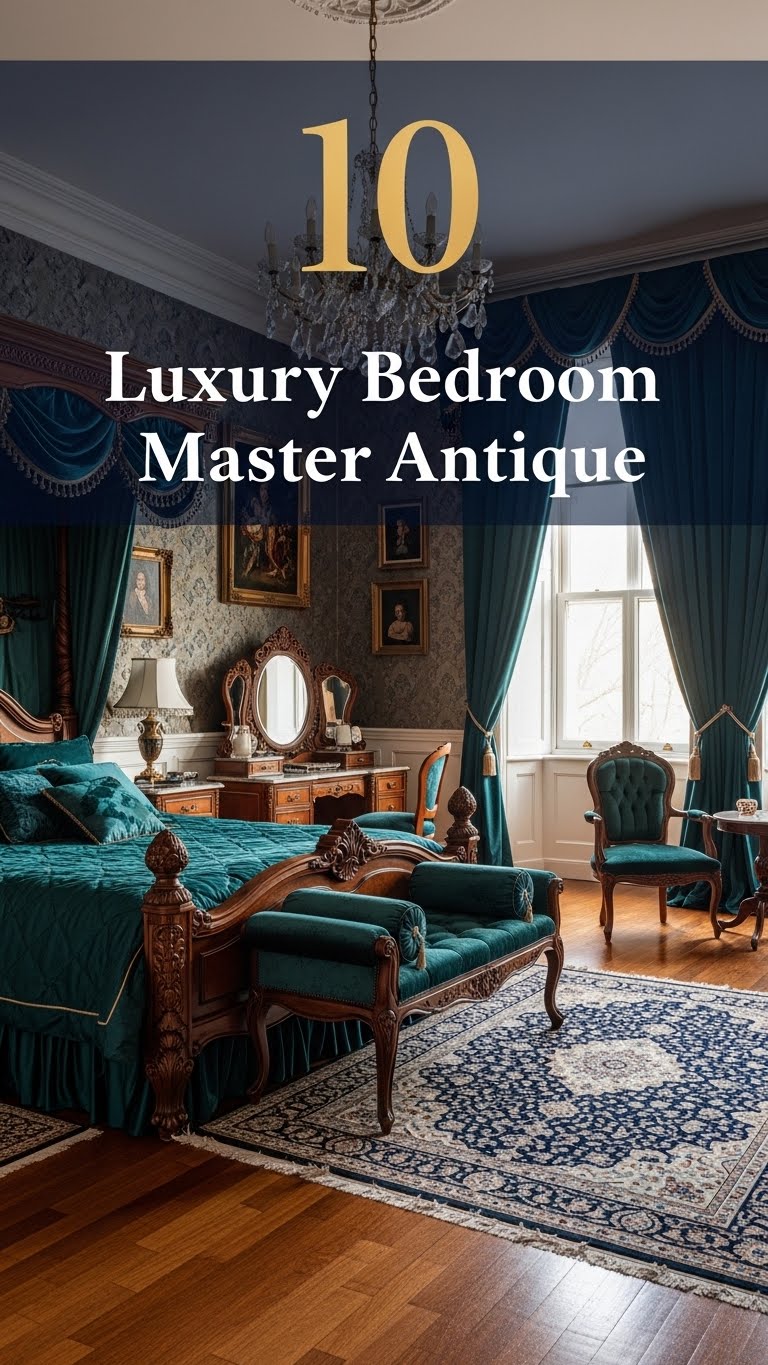
10 Luxury Bedroom Master Antique
Creating a luxurious master bedroom is all about blending comfort, elegance, and timeless design. When you add antique elements into the mix,...
Read out all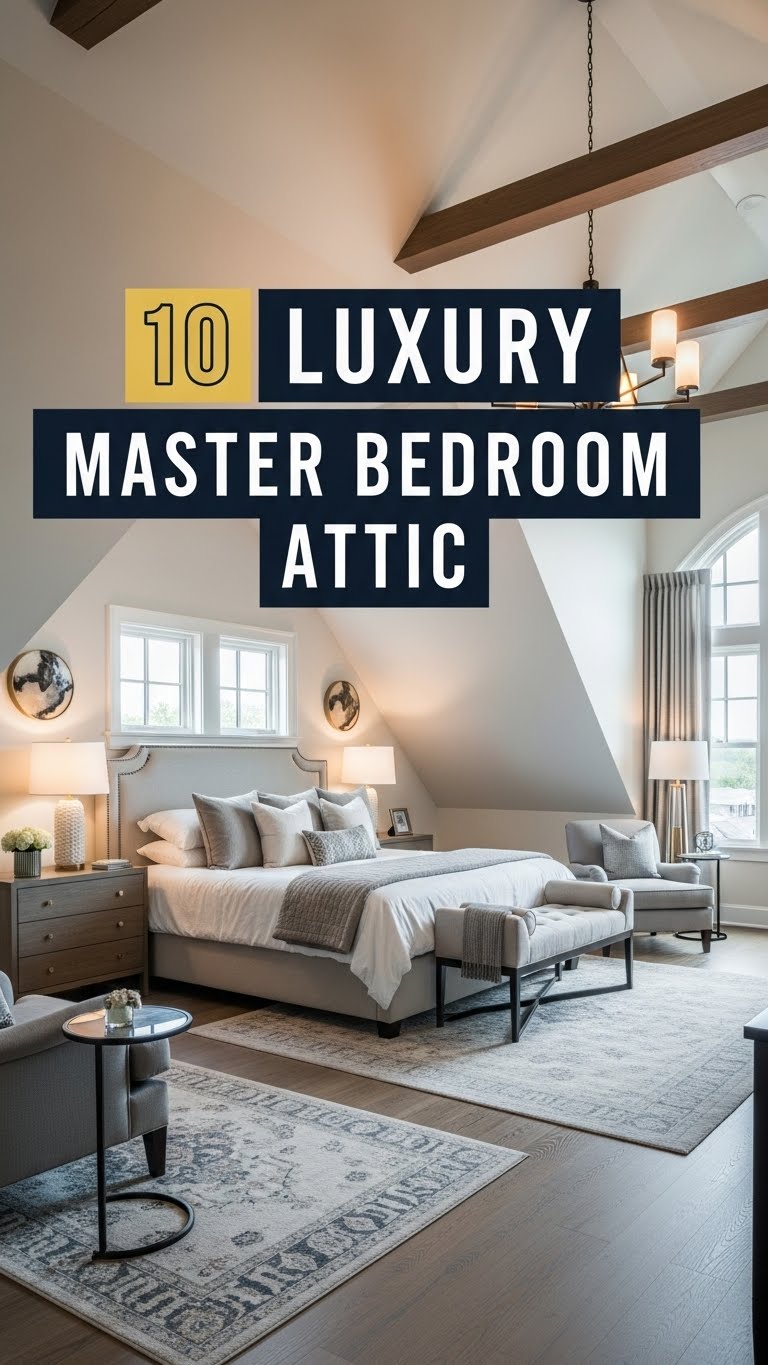
10 Luxury Master Bedroom Attic
Turning an attic into a luxurious master bedroom is an excellent way to maximize your home’s potential. Attics often come with unique...
Read out all
10 Luxury Bedroom Master Aesthetic
Creating a luxurious master bedroom is about more than just choosing expensive furniture. It is about crafting a space that embodies comfort,...
Read out all
10 Bedroom Bed Designs
Your bedroom is more than just a place to sleep—it’s a sanctuary, a personal retreat where style and comfort meet. Central to...
Read out all
10 Beige Bedroom Ideas
When it comes to bedroom design, beige is a timeless and versatile color that exudes warmth, sophistication, and calm. Unlike brighter colors...
Read out all
10 Cool Bedroom Ideas
Your bedroom is more than just a place to sleep. It is your sanctuary, your personal retreat, and a reflection of your...
Read out all