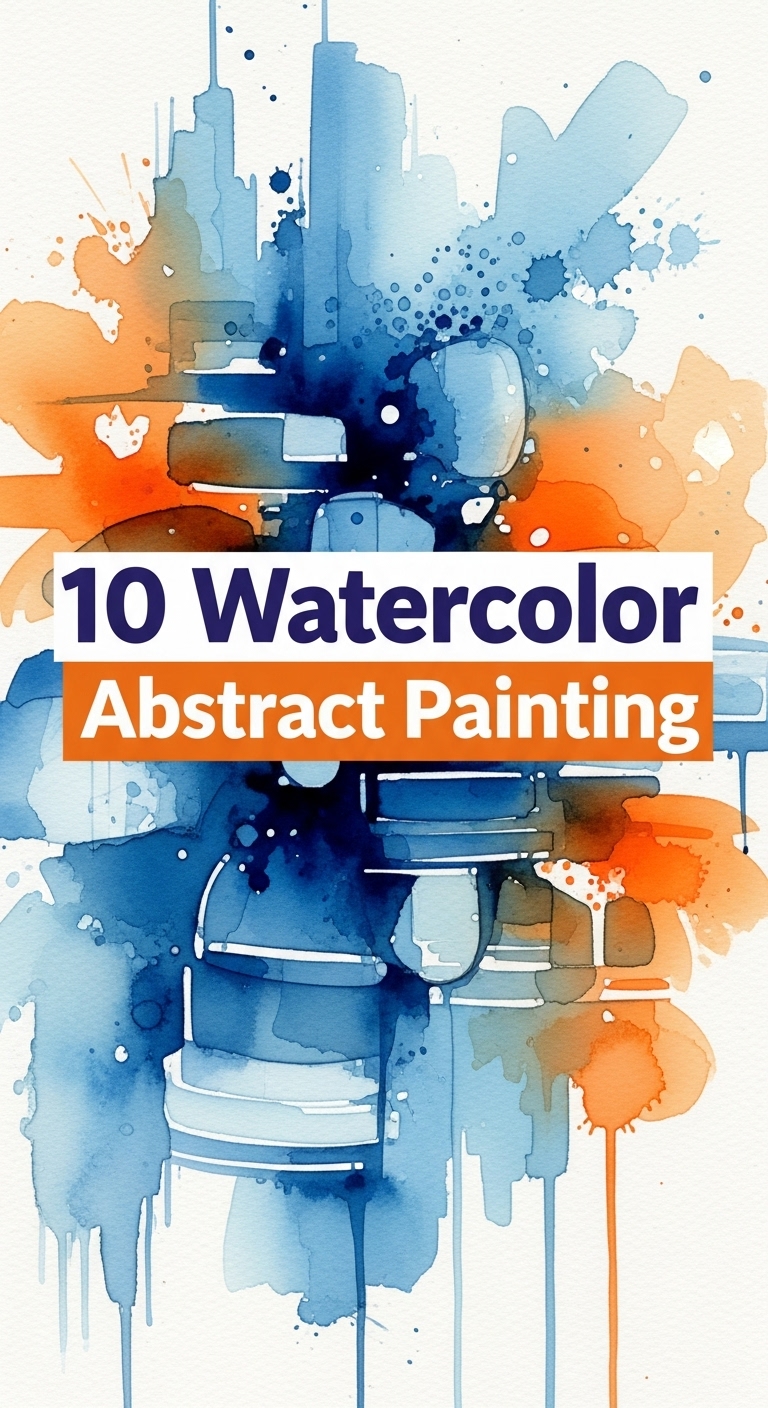
Watercolor abstract painting is a timeless art form that combines fluidity, emotion, and imagination. Unlike realistic painting, abstract watercolor art allows the artist to express feelings, movement, and ideas without the constraints of form. The colors bleed, merge, and dance together on paper, creating patterns that evoke calmness, energy, or even chaos. Whether you are a beginner experimenting with watercolor paints or an experienced artist looking for new inspiration, abstract art offers endless possibilities for exploration and self-expression.
In this post, we will explore ten watercolor abstract painting ideas that can inspire you to pick up your brush and let your creativity flow freely. Each idea celebrates a different emotion, color palette, or composition technique, giving you plenty of room to develop your unique artistic voice.
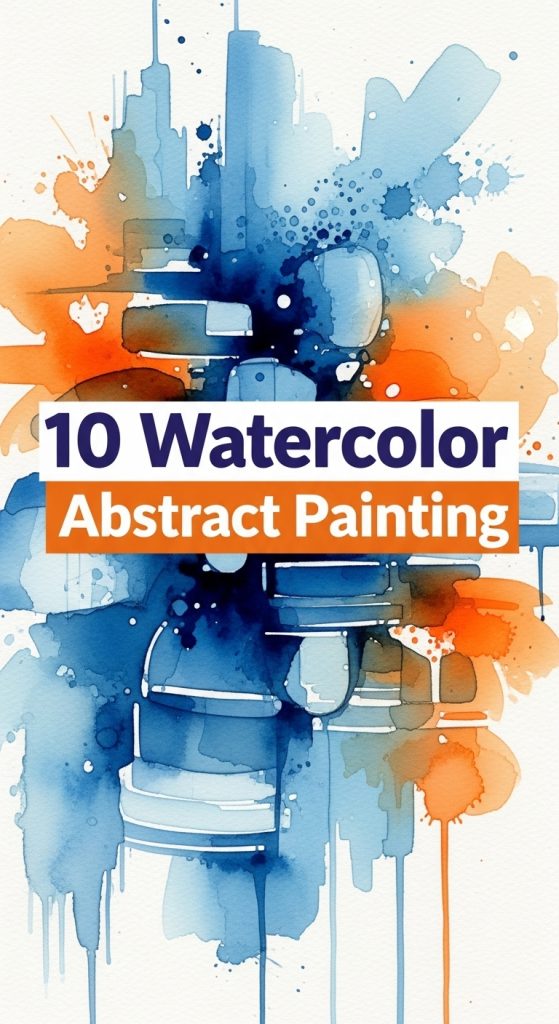
1. Soft Color Washes with Layered Transparency
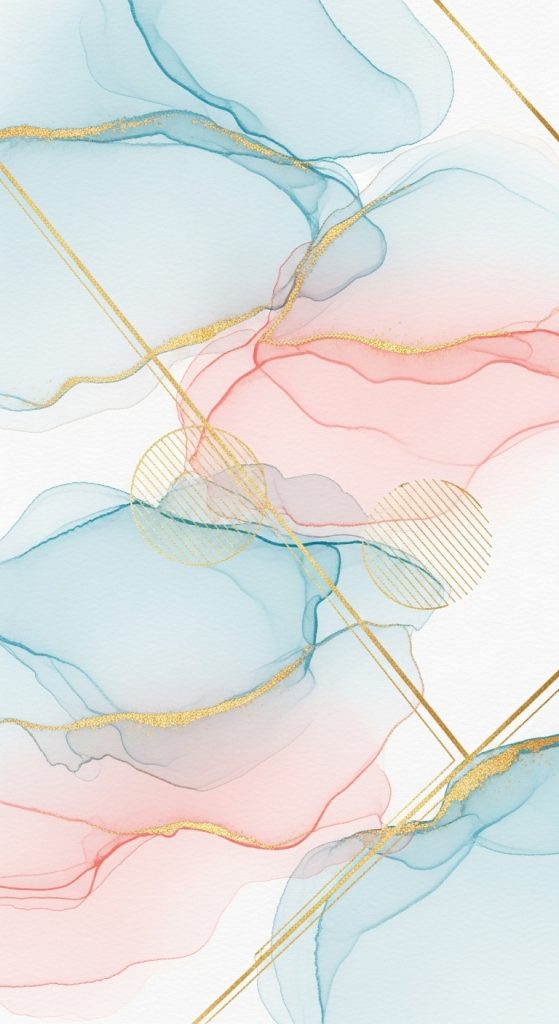
A simple yet powerful way to start with watercolor abstract painting is through soft color washes. Begin by choosing a minimal color palette, such as light blues, peaches, and creams. Gently blend the colors across the paper using broad strokes. The beauty of watercolor lies in its transparency, so let each layer dry before adding another. The overlapping areas will create subtle tonal shifts, giving your piece depth and a dreamlike quality.
To enhance the effect, use plenty of water and allow some areas to remain untouched by pigment. The resulting interplay between color and white space creates a sense of calm and openness. This technique works wonderfully as a backdrop for framed art or as wall decor in a minimalist living room or bedroom.
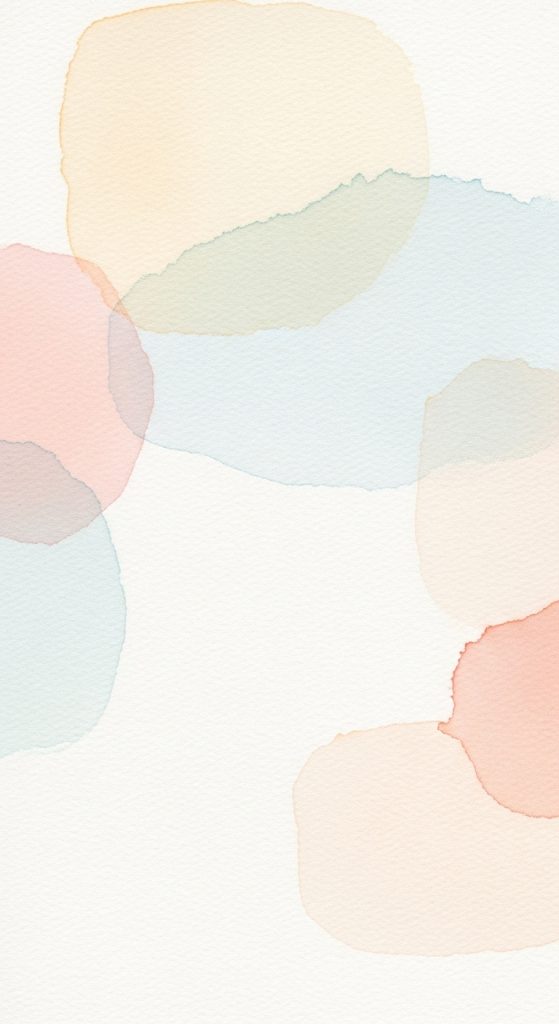
2. Expressive Brushstrokes and Bold Movements
If you prefer energetic and expressive compositions, explore bold brushstrokes. Use wide brushes or even palette knives to apply your watercolor pigments. Try working wet-on-dry for more control or wet-on-wet for spontaneous diffusion. Focus on rhythm and direction rather than representation.
You can use a limited color scheme, such as shades of red, orange, and black, to create drama. Experiment with different brush pressures, flicks, and gestures. The goal is to capture movement and emotion through abstract forms. This approach can yield powerful results, especially when displayed as a large statement piece.
3. Celestial and Galaxy-Inspired Abstractions
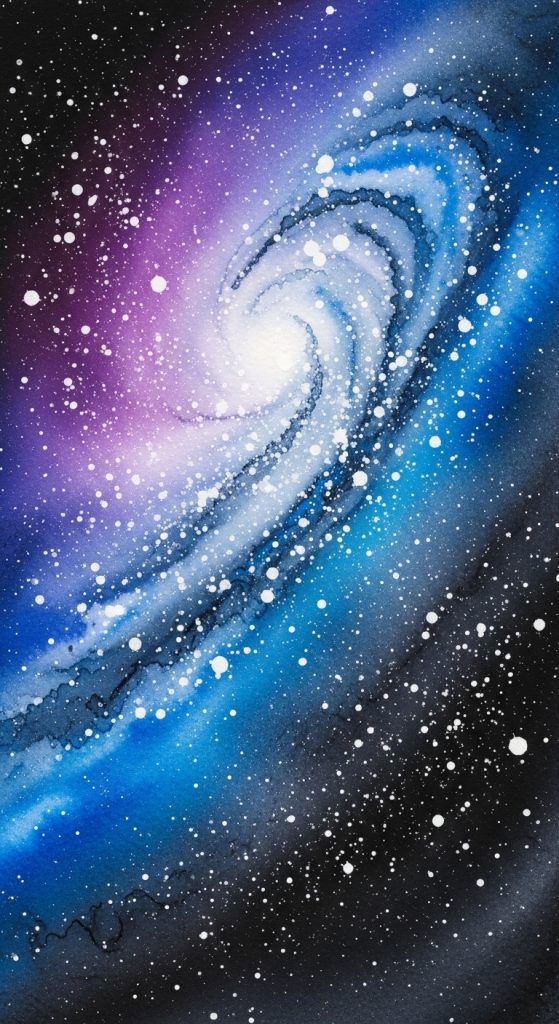
Galaxy-inspired watercolor art remains one of the most captivating themes in abstract painting. The technique involves layering dark blues, purples, and blacks while allowing bright white or pastel highlights to peek through. Use salt, alcohol drops, or a toothbrush splatter to create star-like textures.
This kind of abstract painting brings out both mystery and wonder, reflecting the vastness of the universe. You can add subtle gradients or swirling shapes to evoke the movement of galaxies. This style works beautifully for modern home decor or as a meditative painting project.
4. Minimalist Monochrome Abstractions
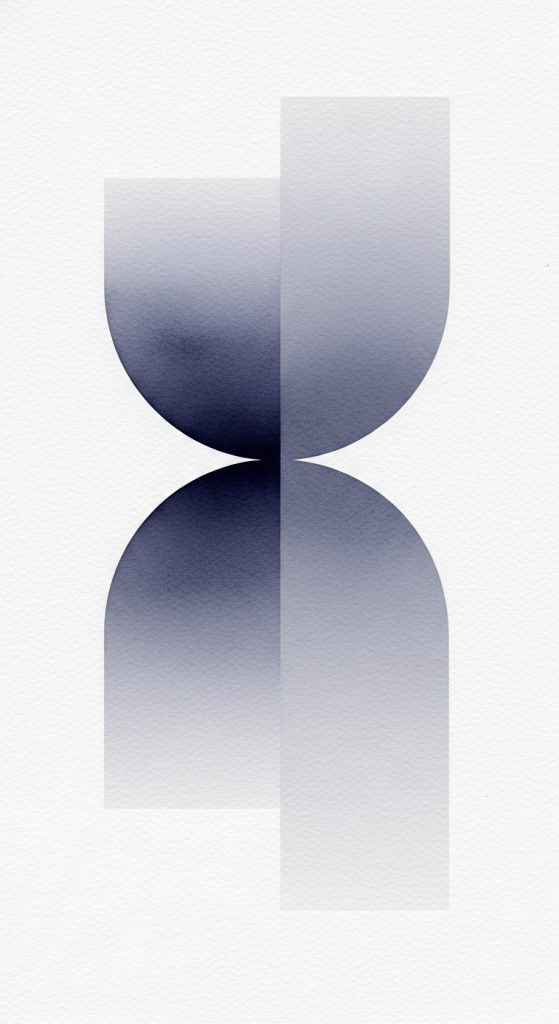
Sometimes, less truly is more. A minimalist monochrome abstract can convey sophistication through simplicity. Choose a single color, such as indigo, sienna, or emerald green, and work with its tonal variations.
Focus on texture, composition, and balance rather than multiple hues. You can create smooth transitions between dark and light areas, or introduce geometric shapes through masking tape for contrast. These minimalist abstractions are elegant and modern, making them ideal for contemporary art displays or office decor.
5. Organic Flow and Ink Integration
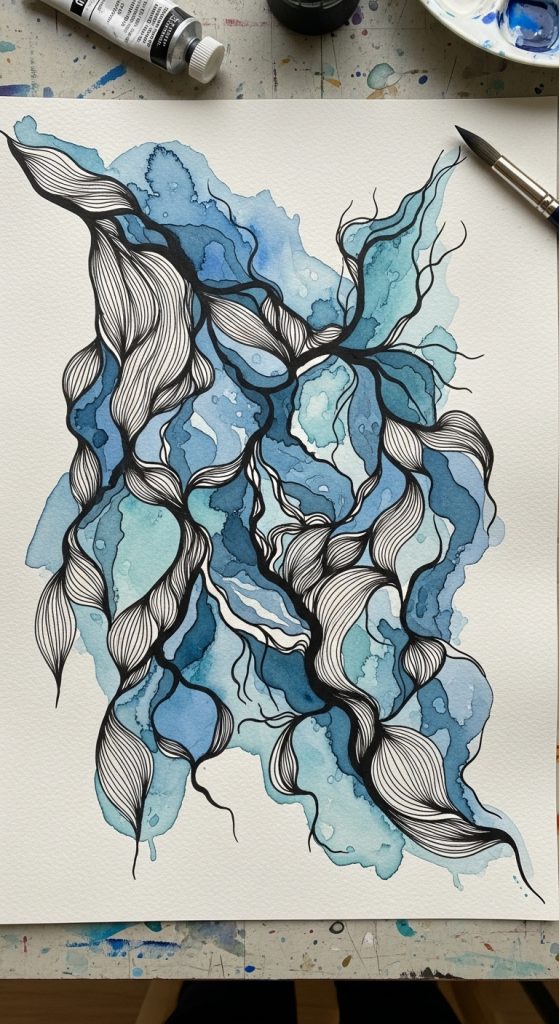
One of the most mesmerizing watercolor techniques involves mixing watercolor with black or colored ink. Begin by laying down a soft watercolor background and let it dry slightly. Then introduce ink lines, drops, or splashes. Watch as the ink merges with the watercolor, forming organic veins, ripples, and patterns.
This technique creates dynamic compositions reminiscent of natural elements such as coral reefs, roots, or microscopic organisms. It bridges the gap between chaos and structure, making it ideal for artists who enjoy balancing spontaneity with control.
6. Abstract Landscapes with Watercolor Layers
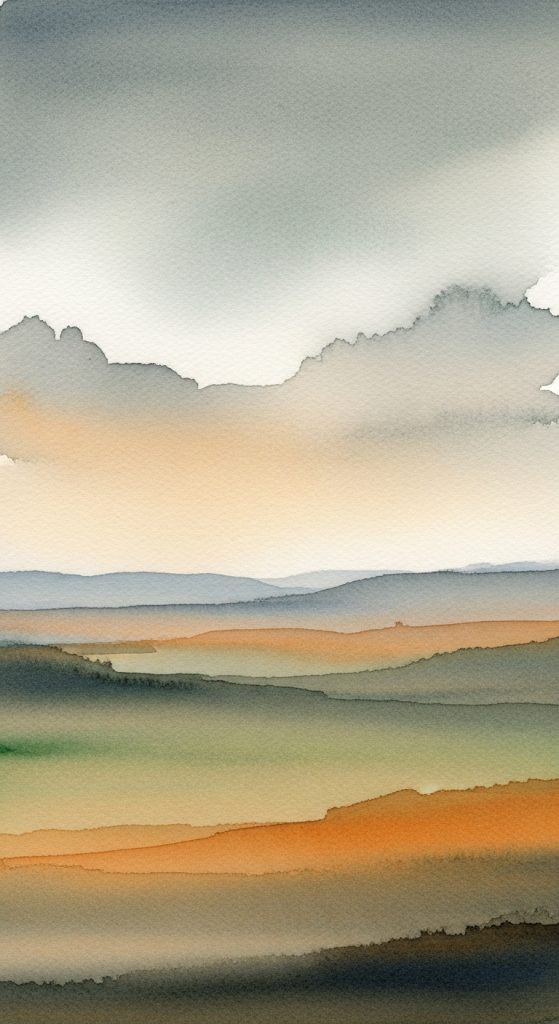
Abstract landscapes allow you to capture the feeling of a place rather than its literal appearance. Instead of painting trees and mountains, focus on color transitions and atmospheric effects. Use soft gradients to represent horizons, diffused washes for skies, and layered colors for depth.
For instance, combine muted browns, greens, and grays to suggest earthy terrains, or use vivid blues and yellows to depict a coastal scene. The result is an emotionally charged yet minimal representation of nature, perfect for collectors who love the serenity of landscape art without its realism.
7. Watercolor and Gold Accent Details
Adding metallic accents to watercolor abstracts can elevate your art, giving it a luxurious touch. After your watercolor layers have dried, apply fine lines or shapes using gold, bronze, or copper ink. These accents catch the light beautifully and create a striking contrast with the soft, fluid background.
This technique works particularly well with jewel tones or muted pastels. The combination of matte watercolor and reflective metal creates visual tension and sophistication, making it ideal for elegant home interiors or high-end gallery displays.
8. Emotional Color Studies
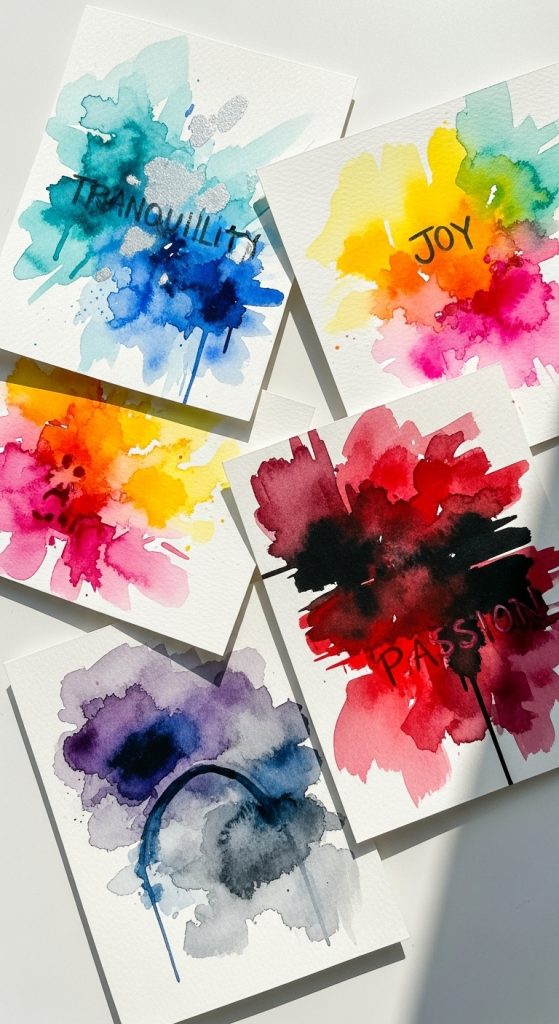
Watercolor abstract painting is deeply connected to emotional expression. Create a series of works that explore different emotions through color. For instance, use deep blues and grays to represent calmness or melancholy, and experiment with yellows, oranges, and pinks to express joy or warmth.
Avoid defined shapes and instead focus on how colors interact. Let them merge and overlap freely, symbolizing how feelings often blend together. This approach is therapeutic and introspective, making it perfect for artists seeking mindfulness and emotional release through art.
You can also turn these color studies into a cohesive collection that tells a story of moods and transitions.
9. Water Droplet and Bleeding Effect Techniques
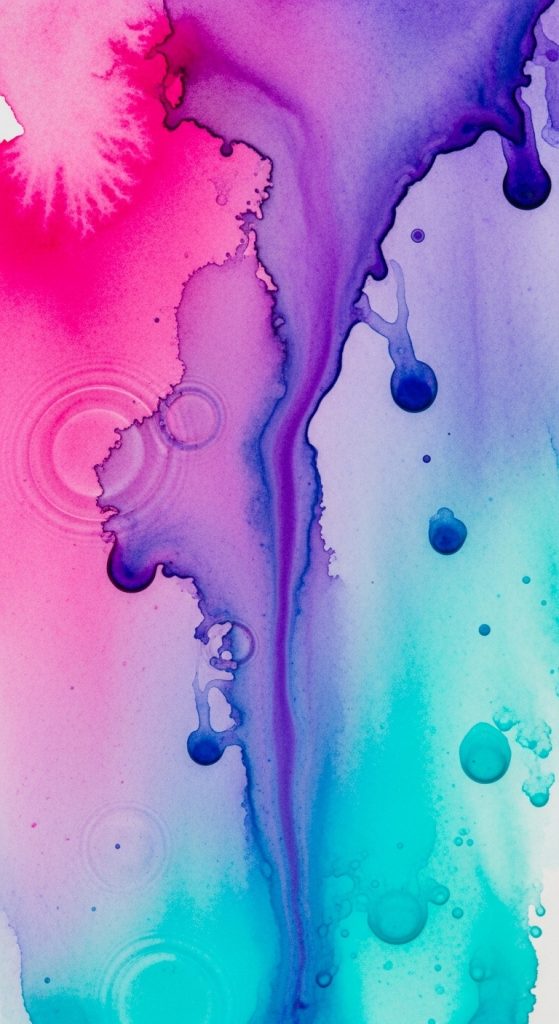
The bleeding effect is one of watercolor’s most unique characteristics. To achieve it, apply wet paint to a wet surface and watch the pigments flow and merge organically. You can also drop clean water onto semi-dry paint to create interesting rings and textures.
This method produces unpredictable and mesmerizing results that resemble blooming flowers, clouds, or waves. It’s especially useful for creating background textures or abstract compositions that feel alive and spontaneous.
Try using complementary colors for high contrast or analogous hues for smoother transitions. Every drop and spread becomes a surprise, making each piece completely unique.
10. Geometric Meets Organic Abstraction
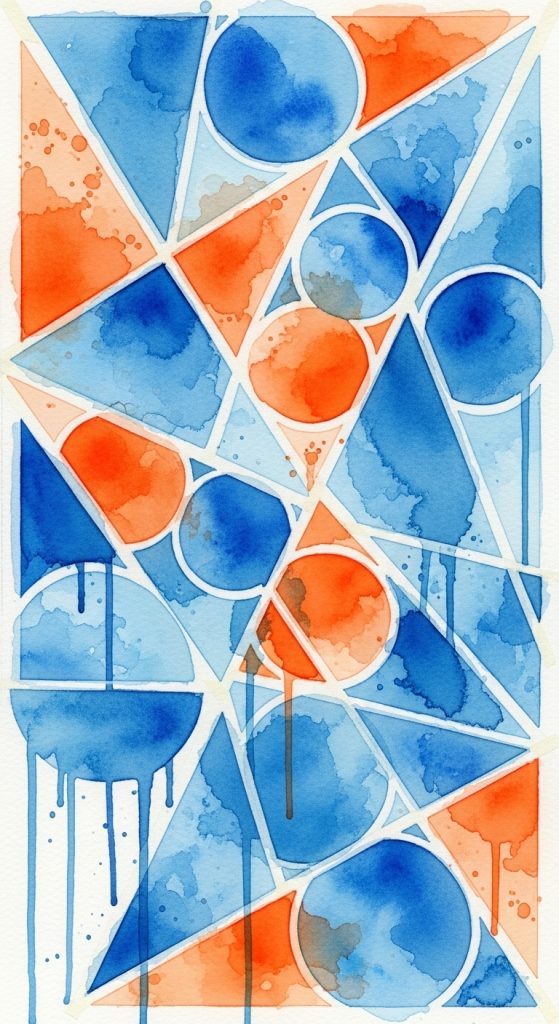
Combine structure and spontaneity by blending geometric shapes with fluid watercolor textures. Use masking tape or stencils to outline clean shapes such as circles, triangles, or lines. Paint over them with flowing watercolor layers, then remove the tape once dry.
The contrast between crisp geometry and flowing watercolor creates visual balance. This method suits both modern and bohemian interiors, depending on your color choices. Experiment with muted tones for a minimalist vibe or bright, contrasting hues for a playful effect.
Tips for Creating Stunning Watercolor Abstract Art
- Experiment Freely – Abstract painting is about expression, not perfection. Allow yourself to explore new techniques without fear of mistakes.
- Use High-Quality Materials – Invest in artist-grade watercolor paints and heavy paper that can withstand multiple washes.
- Control Water Levels – The ratio of water to pigment determines the final texture. Practice to find your ideal balance.
- Play with Tools – Try unconventional tools like sponges, plastic wrap, or straws to achieve interesting effects.
- Layer with Intention – Build up transparent layers to create depth while maintaining watercolor’s luminous quality.
- Incorporate Texture – Add salt, alcohol, or dry brushing techniques for tactile visual interest.
- Observe Nature – Inspiration often comes from natural elements like clouds, water, and light reflections.
- Work in Series – Creating multiple related pieces helps you explore a concept in depth.
- Frame Thoughtfully – Minimal frames enhance abstract art without overpowering it.
- Trust Your Instincts – Abstract watercolor is personal. Let intuition guide your colors and compositions.
Bringing Abstract Watercolor into Home Decor
Abstract watercolor paintings fit effortlessly into many interior styles. In a minimalist space, a large abstract piece can become the central statement. In bohemian interiors, smaller, colorful artworks can be grouped together for a playful display.
Soft pastel abstracts work beautifully in bedrooms or nurseries, creating a serene atmosphere. Meanwhile, bold and dark-toned watercolor works add drama and depth to modern living areas or offices. The versatility of watercolor art makes it one of the most adaptable choices for home decor enthusiasts.
You can also scan and print your abstract artworks onto products like throw pillows, phone cases, or stationery. This not only gives your art a second life but also helps you build a cohesive personal brand if you plan to share your work online or on platforms like Pinterest and Etsy.
The Mindful Side of Watercolor Abstracts
Beyond aesthetics, watercolor abstract painting offers a form of meditation. The slow movement of water, the merging of colors, and the unpredictability of results encourage mindfulness and patience. Many artists use abstract watercolor sessions as a way to unwind, reflect, and connect with their emotions.
There’s no need for a predefined goal or image. The process itself is the reward. Observing how pigments move and interact with water can be deeply satisfying. Over time, this meditative practice can enhance both artistic skills and emotional well-being.
Conclusion
Watercolor abstract painting opens a world of endless exploration. Each brushstroke, each drop of water, and each blend of color creates something unique. From soft transparent layers to bold expressive movements, the techniques and styles you can experiment with are infinite.
Whether you are a beginner looking to understand watercolor dynamics or an experienced artist eager to push creative boundaries, abstract watercolor art allows you to express your inner world with grace and spontaneity.
Take inspiration from these ten ideas, and remember—there are no strict rules in abstract art. The best paintings often emerge from happy accidents and moments of pure expression. All you need is paper, paint, and the courage to begin.
Author

admin@weltpromi.de
Related Posts
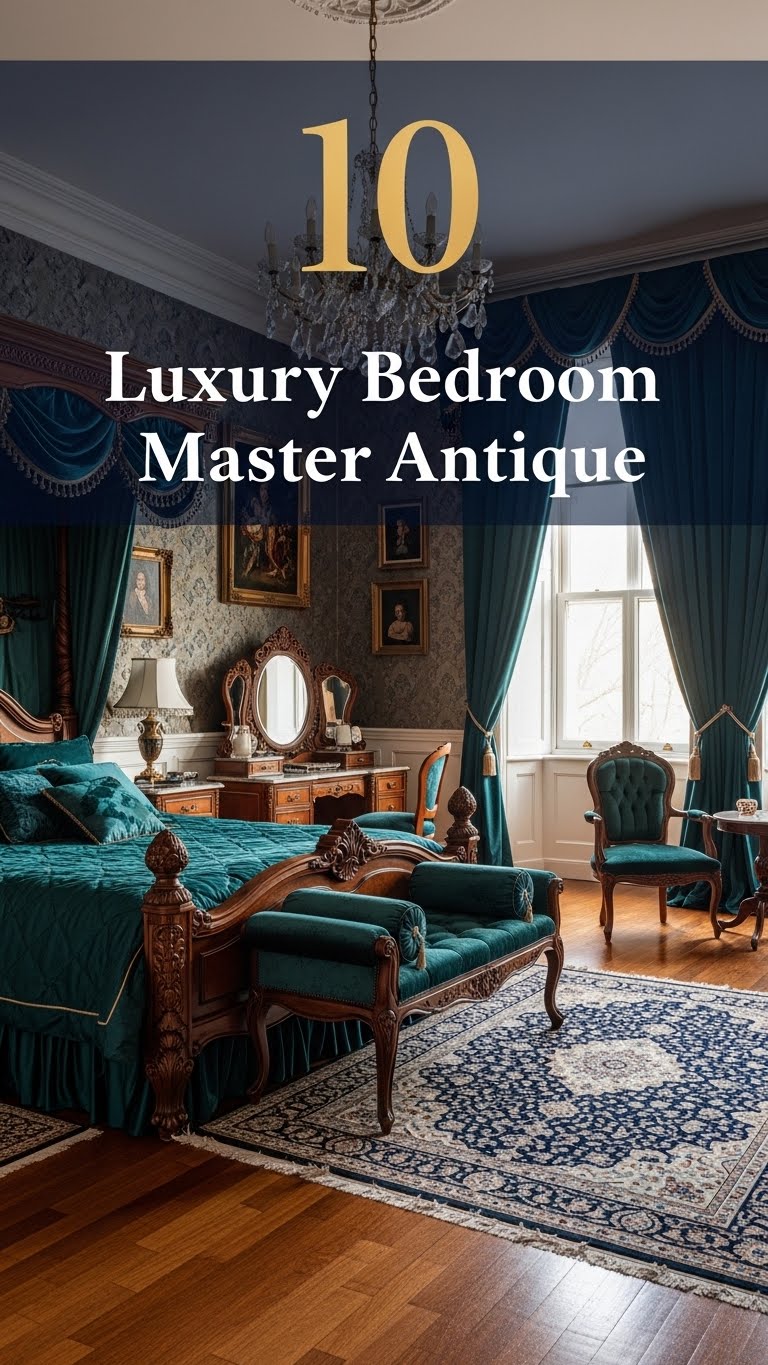
10 Luxury Bedroom Master Antique
Creating a luxurious master bedroom is all about blending comfort, elegance, and timeless design. When you add antique elements into the mix,...
Read out all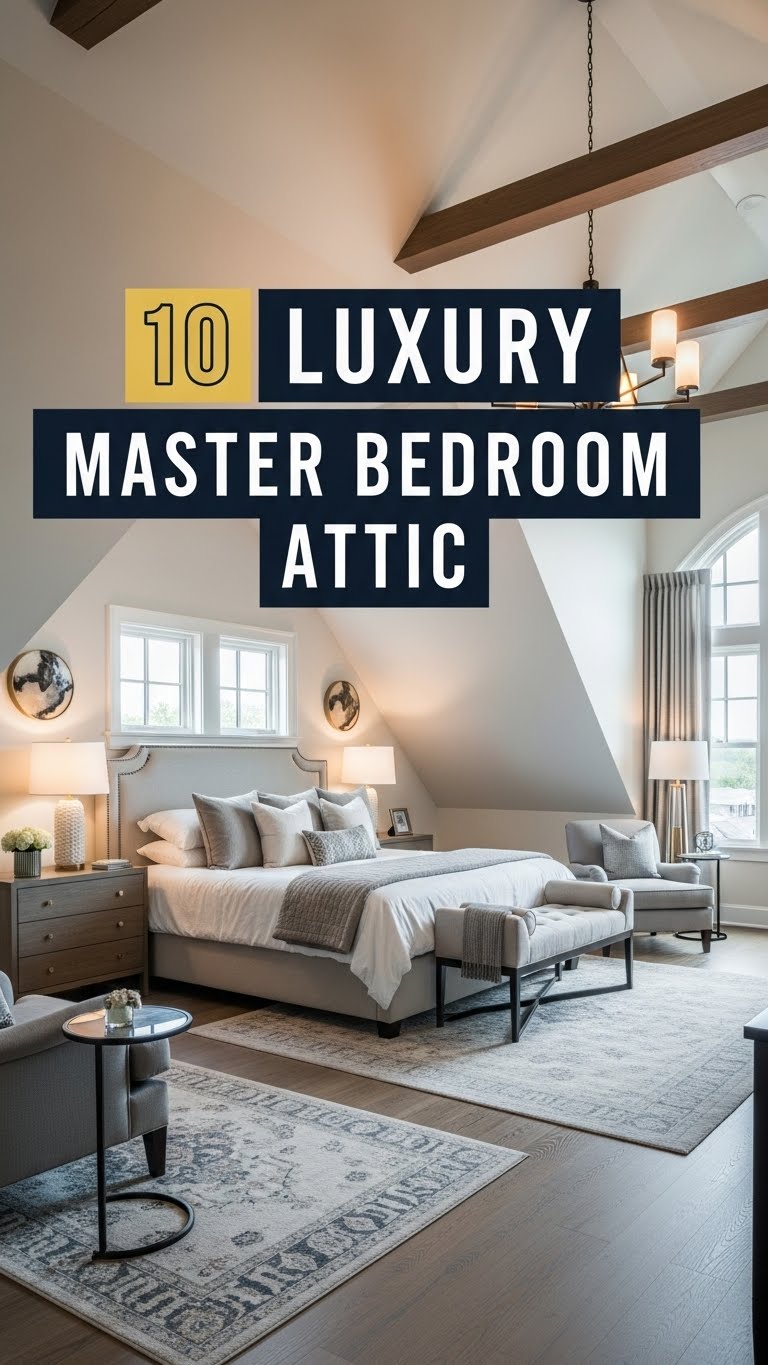
10 Luxury Master Bedroom Attic
Turning an attic into a luxurious master bedroom is an excellent way to maximize your home’s potential. Attics often come with unique...
Read out all
10 Luxury Bedroom Master Aesthetic
Creating a luxurious master bedroom is about more than just choosing expensive furniture. It is about crafting a space that embodies comfort,...
Read out all
10 Bedroom Bed Designs
Your bedroom is more than just a place to sleep—it’s a sanctuary, a personal retreat where style and comfort meet. Central to...
Read out all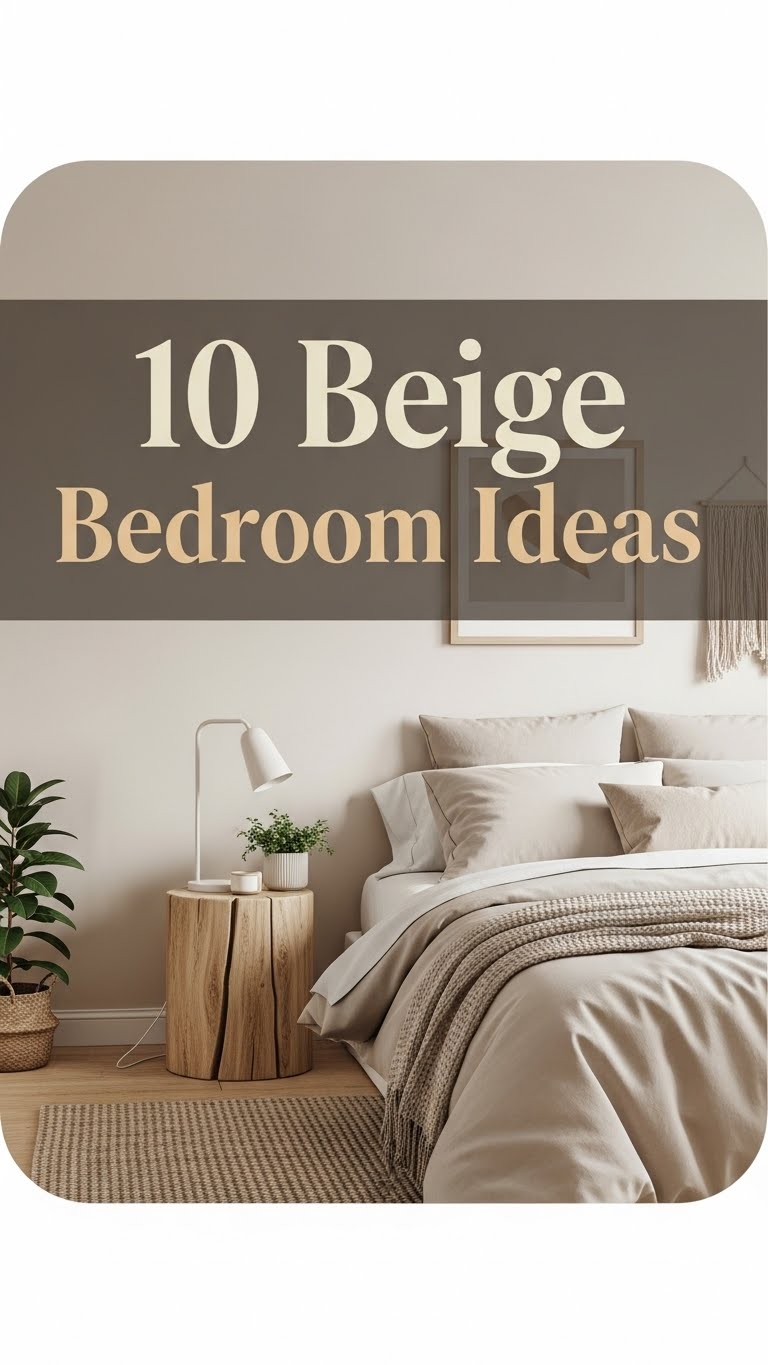
10 Beige Bedroom Ideas
When it comes to bedroom design, beige is a timeless and versatile color that exudes warmth, sophistication, and calm. Unlike brighter colors...
Read out all
10 Cool Bedroom Ideas
Your bedroom is more than just a place to sleep. It is your sanctuary, your personal retreat, and a reflection of your...
Read out all