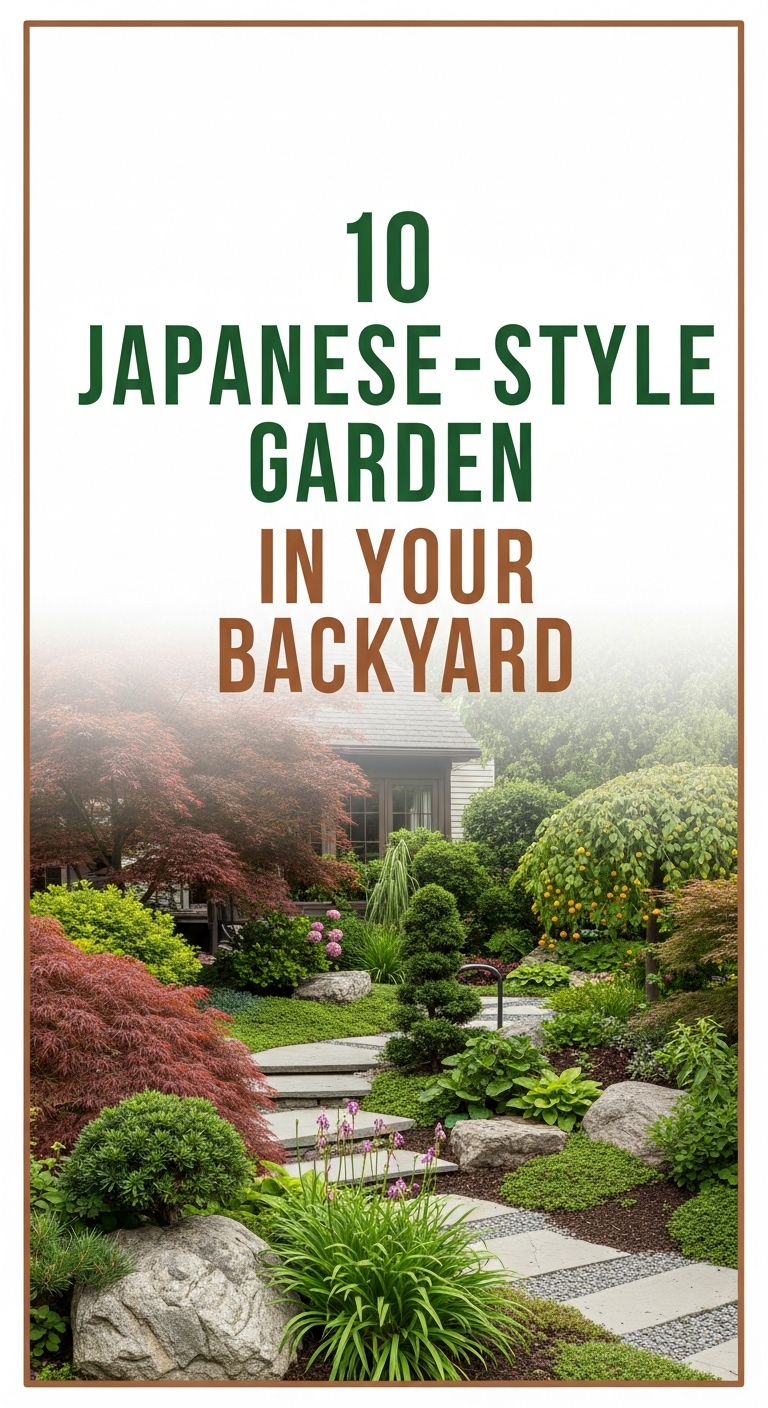
Creating a Japanese-style garden in your backyard is a timeless way to bring peace, beauty, and harmony into your outdoor space. Rooted in centuries-old traditions, Japanese gardens are designed to evoke a sense of calm and balance through natural elements like water, rocks, sand, and plants. Each feature carries deep symbolism and reflects the connection between nature and simplicity. Whether you have a small backyard or a large outdoor area, a Japanese garden can transform your home into a serene retreat that encourages reflection and mindfulness.
In this guide, we will explore 10 inspiring Japanese-style garden ideas that can help you design a tranquil space right in your backyard.

1. The Zen Rock Garden (Karesansui Style)
A Zen rock garden, also known as Karesansui, is one of the most iconic Japanese garden styles. It focuses on simplicity and symbolism, representing water and landscapes through gravel, rocks, and sand instead of actual plants.
To create this look, use fine gravel or white sand as the base. Rake it into ripple-like patterns to represent flowing water or waves. Add larger rocks or boulders strategically to symbolize islands, mountains, or natural formations. The arrangement should feel natural yet purposeful, inviting contemplation and meditation.
You can enhance the ambiance with a small wooden bench or a traditional Japanese lantern placed beside the sand garden. This type of garden is low maintenance and perfect for those who appreciate minimalism and peaceful outdoor aesthetics.

2. Add a Tranquil Koi Pond
Water is a vital element in Japanese garden design, symbolizing life and renewal. Adding a koi pond can bring movement, sound, and serenity to your backyard.
A koi pond typically includes clear water, smooth stones, and aquatic plants like lotus or water lilies. Koi fish add color and vitality, swimming gracefully beneath the surface. Surround the pond with lush greenery and perhaps a small wooden bridge to enhance its natural beauty.
For a more authentic touch, consider adding a bamboo water feature, known as a shishi-odoshi, which produces a gentle clacking sound as water fills and empties. The rhythmic noise adds a meditative rhythm to your garden experience.

3. Embrace Natural Pathways
Japanese gardens often include meandering stone or gravel paths that encourage slow movement and mindful walking. Instead of creating straight walkways, design pathways that curve naturally through your garden to mimic the organic shapes found in nature.
Use stepping stones, natural slate, or flat river rocks to guide visitors through different sections of your garden. You can line the paths with moss, ferns, or low-lying ground cover for a soft, natural effect.
Adding a small bridge or arching wooden walkway over a pond or dry riverbed can add visual interest while symbolizing transition and harmony between spaces.

4. Incorporate Bamboo Accents
Bamboo is a classic element in Japanese landscaping, representing strength, flexibility, and resilience. It can be used in many ways throughout your garden.
Consider planting a bamboo grove along one edge of your backyard for privacy and natural screening. The rustling of bamboo leaves in the wind creates a soothing sound that enhances the tranquil atmosphere.
You can also use bamboo for fencing, trellises, or as decorative borders around pathways. Another beautiful idea is a bamboo water spout feature or fountain, which adds both visual appeal and the calming sound of running water.
Just be mindful when planting bamboo—it spreads quickly, so it’s best to use non-invasive clumping varieties or contain it with barriers.

5. The Tea Garden (Chaniwa)
If you love the idea of ritual and serenity, a Japanese tea garden, or Chaniwa, is a wonderful concept to incorporate. Traditionally, tea gardens were designed as peaceful spaces leading to a tea house where guests could participate in tea ceremonies.
To create your own version, focus on simplicity and calmness. Include a small seating area, stepping stone paths, and a water basin (tsukubai) where guests can symbolically cleanse their hands before entering the tea space.
Surround the area with evergreen shrubs, moss, and small flowering plants. The emphasis should be on creating a meditative environment that encourages reflection.
Even if you do not have space for a full tea house, a small wooden pavilion or shaded corner can capture the essence of this style beautifully.

6. Use Moss for Soft Texture
Moss plays an important role in Japanese gardens, symbolizing age, endurance, and tranquility. It brings a sense of timelessness and softness to the landscape, covering rocks, garden edges, or pathways in lush green hues.
If your backyard has shaded, moist areas, moss can thrive naturally. You can also introduce it intentionally by planting moss between stepping stones, around tree bases, or along water features.
Moss gardens require minimal maintenance and no mowing, making them an eco-friendly alternative to grass. Their texture and color bring a natural, ancient charm to your garden that feels distinctly Japanese.

7. Add a Stone Lantern or Pagoda
No Japanese-style garden is complete without traditional stone elements. Stone lanterns (toro) and small pagodas are timeless features that bring cultural depth and structure to the garden.
These ornaments can be placed near water features, along paths, or beside entryways. They add a focal point while also symbolizing illumination and spiritual awakening.
Choose natural stone textures and shapes that blend harmoniously with the rest of the garden. Avoid over-decorating—Japanese design emphasizes restraint, so a few carefully placed stone pieces will have greater impact than many scattered ones.

8. Create a Dry Stream Bed
A dry stream bed, or kare-taki, is a symbolic way to represent water using gravel, pebbles, and rocks. It’s a practical solution for homeowners who want the peaceful feel of a water element without dealing with maintenance or plumbing.
To create one, design a meandering trench that resembles a natural stream. Line it with larger rocks along the edges and fill the center with smaller pebbles or white gravel. Rake the surface in flowing patterns to mimic ripples.
You can add a small wooden bridge over the dry stream to enhance the illusion and add charm. Surround it with ferns, moss, or ornamental grasses to complete the natural look.

9. Choose Authentic Japanese Plants
Plants play a central role in setting the tone of a Japanese garden. The goal is to create a natural, balanced look with a focus on texture, form, and seasonal changes rather than bright flower colors.
Some classic plant choices include:
- Japanese maple for vibrant fall colors
- Bamboo for height and movement
- Azaleas or camellias for soft seasonal blooms
- Pine trees for year-round greenery
- Ferns, moss, and hostas for lush undergrowth
The key is to use plants that maintain a calm, restrained palette. Arrange them in layers, combining trees, shrubs, and ground cover to achieve a natural flow and depth. Pruning should be careful and deliberate, shaping plants to reflect harmony rather than symmetry.

10. Add a Torii Gate or Garden Entrance
A Torii gate is a traditional Japanese structure often found at Shinto shrines, symbolizing the transition from the ordinary to the sacred. Incorporating a Torii-inspired entryway into your garden instantly sets a spiritual tone.
You can create a wooden or stone archway at the entrance of your backyard or pathway leading to your main garden area. Paint it in a natural wood tone or the traditional red-orange hue for authenticity.
Surround the gate with plants or small trees to frame it naturally, creating a sense of mystery and anticipation as visitors pass through. This element not only enhances the design but also serves as a reminder that your garden is a space for reflection and peace.

Design Tips for a Cohesive Japanese Garden
- Simplicity is key: Avoid overcrowding your garden with too many decorations or plant types. Focus on balance and minimalism.
- Balance natural elements: Combine water, stone, and greenery in harmony. Each should complement the other.
- Use natural materials: Stick to wood, stone, and gravel rather than plastic or synthetic materials.
- Incorporate subtle asymmetry: Japanese design values organic shapes and irregular forms, avoiding perfect symmetry.
- Embrace the seasons: Choose plants that display beauty across different seasons, from spring blossoms to autumn leaves.
Maintenance and Care
Japanese-style gardens are designed to look natural and effortless, but they do require consistent care. Keep gravel paths raked, prune trees and shrubs carefully, and ensure water features remain clean. The goal is to maintain a sense of order and serenity while allowing nature’s character to shine through.
A Japanese garden is more than a landscape—it’s an experience. Each element, from the smallest stone to the tallest tree, plays a role in creating balance and harmony. By blending thoughtful design with natural beauty, you can turn your backyard into a peaceful retreat that reflects centuries of tradition and mindfulness.
Final Thoughts
Building a Japanese-style garden in your backyard is not just about aesthetic appeal; it’s about cultivating peace and introspection in your everyday life. The sound of flowing water, the sight of gently swaying bamboo, and the feeling of walking barefoot on soft moss together create an environment that encourages mindfulness and calm.
Whether you choose to add a koi pond, a Zen rock garden, or a simple mossy retreat, your backyard can become a sanctuary of natural beauty and quiet reflection. Let nature be your guide, and design a space that speaks to balance, serenity, and timeless elegance.
Author

admin@weltpromi.de
Related Posts

10 Luxury Bedroom Master Antique
Creating a luxurious master bedroom is all about blending comfort, elegance, and timeless design. When you add antique elements into the mix,...
Read out all
10 Luxury Master Bedroom Attic
Turning an attic into a luxurious master bedroom is an excellent way to maximize your home’s potential. Attics often come with unique...
Read out all
10 Luxury Bedroom Master Aesthetic
Creating a luxurious master bedroom is about more than just choosing expensive furniture. It is about crafting a space that embodies comfort,...
Read out all
10 Bedroom Bed Designs
Your bedroom is more than just a place to sleep—it’s a sanctuary, a personal retreat where style and comfort meet. Central to...
Read out all
10 Beige Bedroom Ideas
When it comes to bedroom design, beige is a timeless and versatile color that exudes warmth, sophistication, and calm. Unlike brighter colors...
Read out all
10 Cool Bedroom Ideas
Your bedroom is more than just a place to sleep. It is your sanctuary, your personal retreat, and a reflection of your...
Read out all