

Creating an open concept kitchen dining living room has become one of the most popular interior design trends of the last decade. Homeowners are moving away from confined rooms and instead embracing wide, airy spaces that feel connected, warm, and comfortable. This style is not only beautiful but also incredibly functional for everyday living, entertaining, and family interaction. Whether you live in a small apartment or a spacious home, an open concept layout can transform the way you experience your space.
In this article, we will explore ten inspiring open concept kitchen dining living room ideas that focus on layout, color, texture, lighting, and furniture arrangement. These ideas work for both modern and traditional homes, allowing you to blend aesthetics with high functionality. If you are planning a renovation or simply searching for creative ways to refresh your home, these inspirations will help guide your vision with intentional design choices.
Let us dive into the world of open concept living and discover how you can create a space that feels harmonious, inviting, and uniquely yours.
1. Seamless Flow with a Unified Color Palette
One of the most effective ways to create unity in an open concept space is by using a single color palette across the kitchen, dining, and living areas. When the eye sees continuous color throughout, the space feels connected and thoughtfully planned. Neutral tones such as soft white, warm beige, taupe, light gray, or creamy ivory work particularly well for establishing a cohesive foundation.
Within this palette, you can introduce subtle contrast through different textures or materials. A matte kitchen cabinet may pair beautifully with a glossy dining table or a linen sofa. The key is maintaining color harmony even when materials differ. If you prefer a little more drama, consider using a darker accent color consistently across the rooms. Deep navy, forest green, or charcoal can be repeated in cabinetry, throw pillows, or a feature wall.
Consistent flooring also plays a huge role in visual flow. Hardwood, engineered wood, or luxury vinyl planks used across all areas enhance the sense of continuity. When combined with a unified color palette, the space feels larger, calmer, and more intentionally designed.

2. Center the Kitchen Island as the Anchor Point
In modern homes, the kitchen island has become the visual and functional anchor of the open concept layout. It serves as the central point where cooking, dining, and lounging meet. A well designed island can provide storage, meal prep space, seating, and even additional shelving or display surfaces.
Choose an island that complements the overall aesthetic of your space. A waterfall stone island suits a clean modern look, while a butcher block top adds warmth for farmhouse or rustic inspired interiors. If the dining table sits close to the island, maintain enough clearance for circulation and comfort. The island can also help define zones without adding walls, especially when paired with pendant lighting or a shifted ceiling design.
For larger open concept rooms, consider an oversized island that creates a natural boundary between the kitchen and the living area. In smaller spaces, a slim island or peninsula maintains openness while offering valuable function. Either way, the island becomes the heart of the open concept experience, encouraging gathering and interaction.

3. Use Area Rugs to Define Zones Without Walls
An open concept home does not require walls to create structure. Instead, designers use visual cues to define distinct zones. Area rugs are one of the most effective tools for this purpose, especially in the living and dining areas. A well chosen rug instantly grounds a space, giving it identity while still blending smoothly with adjacent zones.
A living room rug should be large enough to anchor the sofa, coffee table, and accent chairs. This creates a cozy seating area that feels like its own environment within the open space. For the dining area, choose a rug that fits under the table and chairs even when the chairs are pulled out. This ensures functionality while maintaining visual order.
When selecting rugs for different zones, choose patterns or colors that coordinate but do not necessarily match. This allows each area to feel unique while still staying within the same overall design story. Textures can vary as well. For example, a plush rug in the living room may be paired with a flatwoven rug under the dining table to handle spills and foot traffic.

4. Incorporate Statement Lighting to Separate and Highlight Areas
Lighting plays a powerful role in shaping an open concept kitchen dining living room. It adds dimension, highlights focal points, and defines individual areas without the need for walls. Lighting should be layered, intentional, and consistent with the overall style of the home.
Pendant lights above the kitchen island allow that area to stand out as a functional and aesthetic centerpiece. These fixtures draw attention to the island and help visually separate the kitchen from the rest of the space. Over the dining table, a chandelier or linear light fixture creates elegance and marks the dining zone as a special gathering area. In the living room, recessed lighting paired with floor or table lamps ensures a warm and welcoming atmosphere.
When selecting lighting for an open concept layout, aim for fixtures that complement one another in finish, shape, or design language. They do not have to match perfectly, but they should feel like they are part of the same family. Gold, black, and brushed nickel each offer versatility and visual impact.

5. Mix Textures to Add Depth and Warmth
One challenge of open concept living is preventing the space from feeling cold or empty. This is where layering textures becomes essential. Texture adds personality, warmth, and depth, making large spaces feel intimate and inviting.
In the kitchen, texture can come from materials like matte cabinetry, stone countertops, wood beams, ceramic backsplash tiles, or antique metal fixtures. In the dining area, consider a reclaimed wood table, linen dining chairs, or woven placemats. The living room invites opportunities to add texture through throw blankets, woven baskets, soft rugs, and upholstered furniture.
The key is balancing smooth surfaces with textured ones. For example, sleek modern cabinetry pairs well with natural wood floors. Glass or metal accents can be softened with fabric upholstery. When textures work together, the open concept space feels layered and dynamic rather than flat or sterile.

6. Create Subtle Separation with Furniture Arrangement
Furniture placement is one of the most powerful tools in shaping an open concept home. Strategic arrangement not only defines spaces but enhances comfort and flow. The goal is to position furniture in a way that feels natural, not forced.
For example, using a sofa as a boundary between the living area and the dining area is a classic approach. The back of the sofa helps create an invisible wall, signaling a shift from lounging to dining. In the dining area, the table acts as a central anchor that focuses attention and helps distinguish the space.
The kitchen is often defined by cabinetry, the island, or the positioning of appliances, so it naturally forms its own zone. However, using barstools or a banquette can enhance separation while still maintaining openness. In addition, floating furniture away from walls rather than pushing everything to the edges creates a more defined layout.

7. Use Built In Storage to Minimize Clutter
Open concept living thrives on minimal clutter. Since all areas are visible at once, storage solutions must be strategic, plentiful, and easy to access. Built in storage is one of the best ways to maintain order while preserving aesthetic appeal.
Kitchen storage may include floor to ceiling cabinets, hidden appliance garages, pullout drawers, or pantry walls. In the dining room, built in buffets or sideboards help store dishes, linens, and serveware. The living room benefits from built in shelving, entertainment centers, or wall niches that hold books, media, and decorative objects.
Choosing storage that blends seamlessly with the overall design tones helps maintain a cohesive look. Cabinetry that extends into the dining or living areas can support unity across the three spaces. Open shelving, when styled intentionally, adds character without making the room feel cluttered.

8. Add Architectural Features for Character
Architectural detailing can elevate an open concept space and give it timeless charm. These features help break up large areas without adding walls, bringing in a sense of structure and identity that feels natural and purposeful.
Exposed wood beams across the ceiling create warmth and add a rustic or farmhouse touch. They visually span the kitchen, dining, and living areas, unifying them through architecture. Columns or half walls can also offer subtle division while maintaining openness. Decorative ceiling treatments like shiplap, coffered ceilings, or beadboard panels help define zones in a sophisticated, understated way.
In addition, accent walls made with stone, brick, or wood slats create focal points that draw the eye and add personality. These architectural features provide depth and style that enhance the open concept layout without taking away from its spaciousness.

9. Choose Multi Functional Furniture for Practicality
Because open concept homes often serve multiple functions at once, choosing multi purpose furniture helps maximize utility. Look for pieces that adapt to different scenarios such as entertaining, relaxing, meals, or everyday tasks.
Extendable dining tables work beautifully in open layouts, expanding easily when guests arrive. Modular sofas allow for flexible seating arrangements and can be reconfigured to suit the occasion. Storage ottomans double as footrests, coffee tables, or extra seating. Kitchen islands with built in shelves or drawers add meaningful storage and workspace.
By selecting furniture with versatility in mind, the open concept room becomes more efficient and adaptable while still maintaining a stylish appearance. Multi functional pieces also help reduce clutter and keep the space feeling open and airy.

10. Integrate Nature Through Large Windows and Indoor Greenery
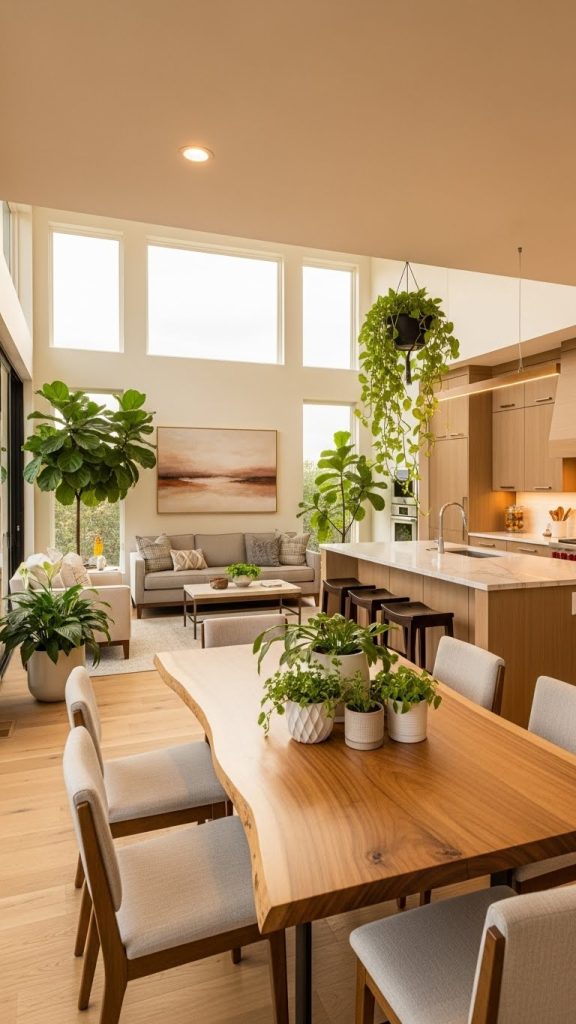
Natural light is one of the greatest assets of an open concept design. Large windows, glass doors, and skylights allow sunlight to reach all corners of the connected space, making it feel brighter and more expansive. Positioning seating near windows helps create an inviting atmosphere that draws people into the space.
Incorporating indoor plants can further elevate the design and increase the sense of harmony. Plants add texture, color, and vibrancy, and they fit beautifully into an open concept home. Use potted trees, hanging planters, or long planters to bring life into the kitchen, dining, and living areas. Greenery softens sharp lines and creates an organic flow that complements modern or traditional design styles.
Natural materials like wood, stone, rattan, and linen also enhance the connection to nature. When combined with abundant natural light, these elements make the open concept space feel fresh, grounded, and rejuvenating.
Final Thoughts
Designing an open concept kitchen dining living room offers endless opportunities for creativity and personalization. Whether your style leans modern, rustic, minimalist, or classic, the principles of flow, balance, and intentional zoning can help you craft a space that feels connected yet structured. By focusing on color harmony, functional furniture placement, layered lighting, and thoughtful materials, you can create a home that supports both everyday relaxation and memorable gatherings.
Open concept living is not just a trend. It is a lifestyle choice that encourages connection, interaction, and simplicity. With the right design ideas, you can transform your space into a welcoming environment that reflects your taste while embracing the beauty of open, airy living.
Author

admin@weltpromi.de
Related Posts
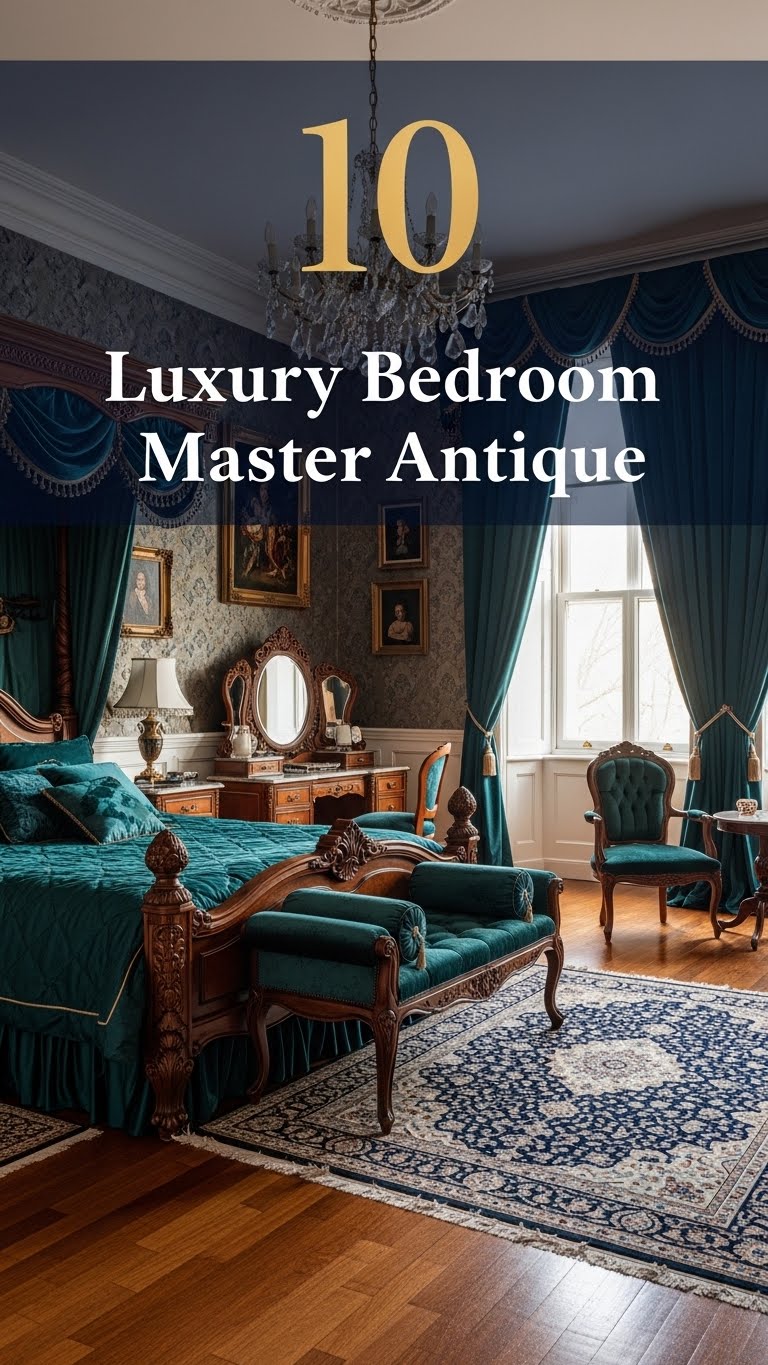
10 Luxury Bedroom Master Antique
Creating a luxurious master bedroom is all about blending comfort, elegance, and timeless design. When you add antique elements into the mix,...
Read out all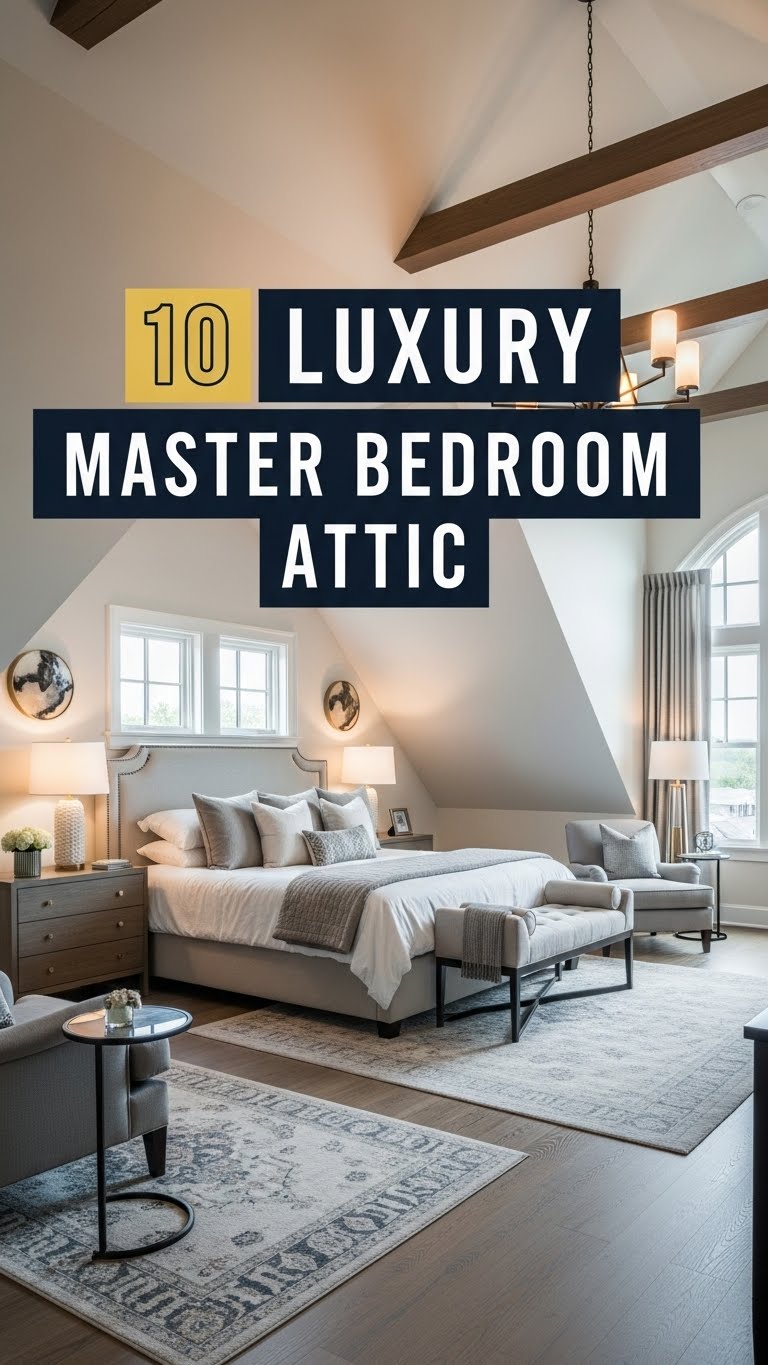
10 Luxury Master Bedroom Attic
Turning an attic into a luxurious master bedroom is an excellent way to maximize your home’s potential. Attics often come with unique...
Read out all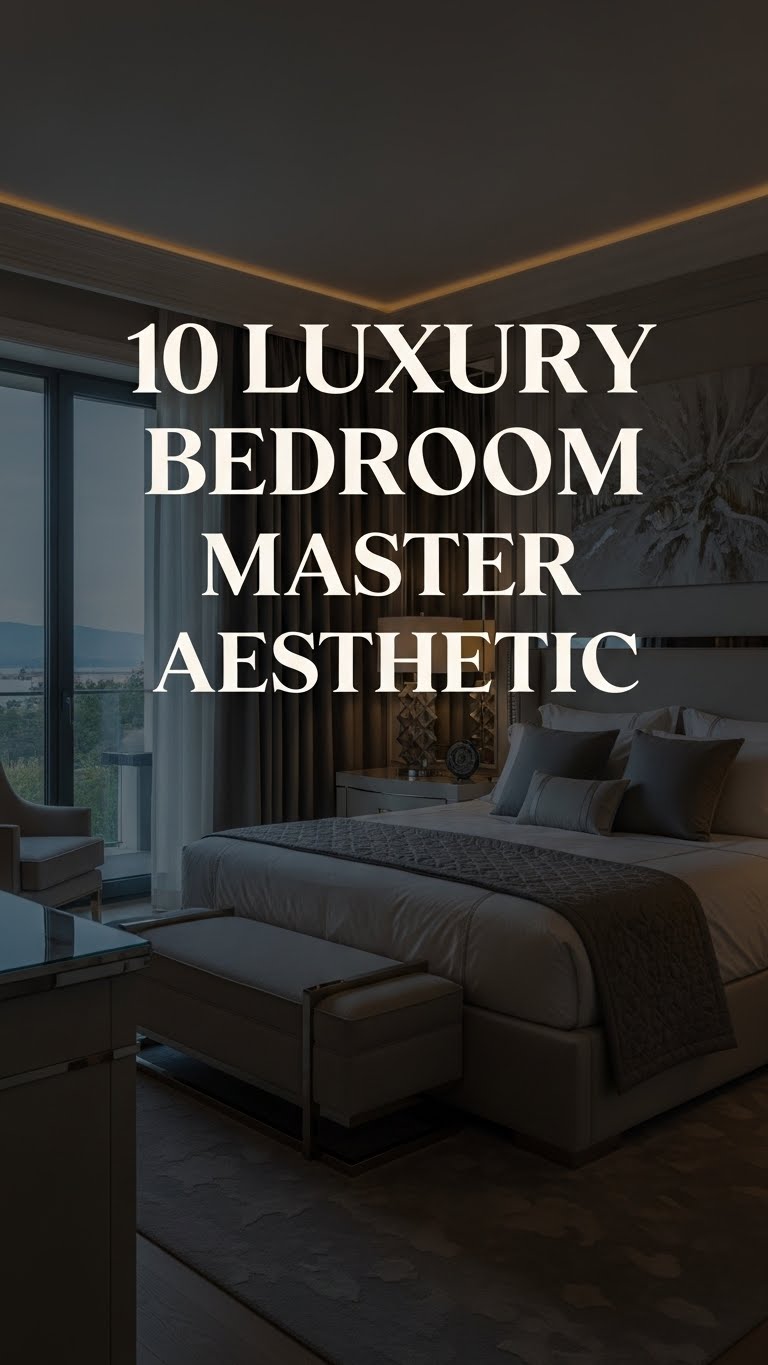
10 Luxury Bedroom Master Aesthetic
Creating a luxurious master bedroom is about more than just choosing expensive furniture. It is about crafting a space that embodies comfort,...
Read out all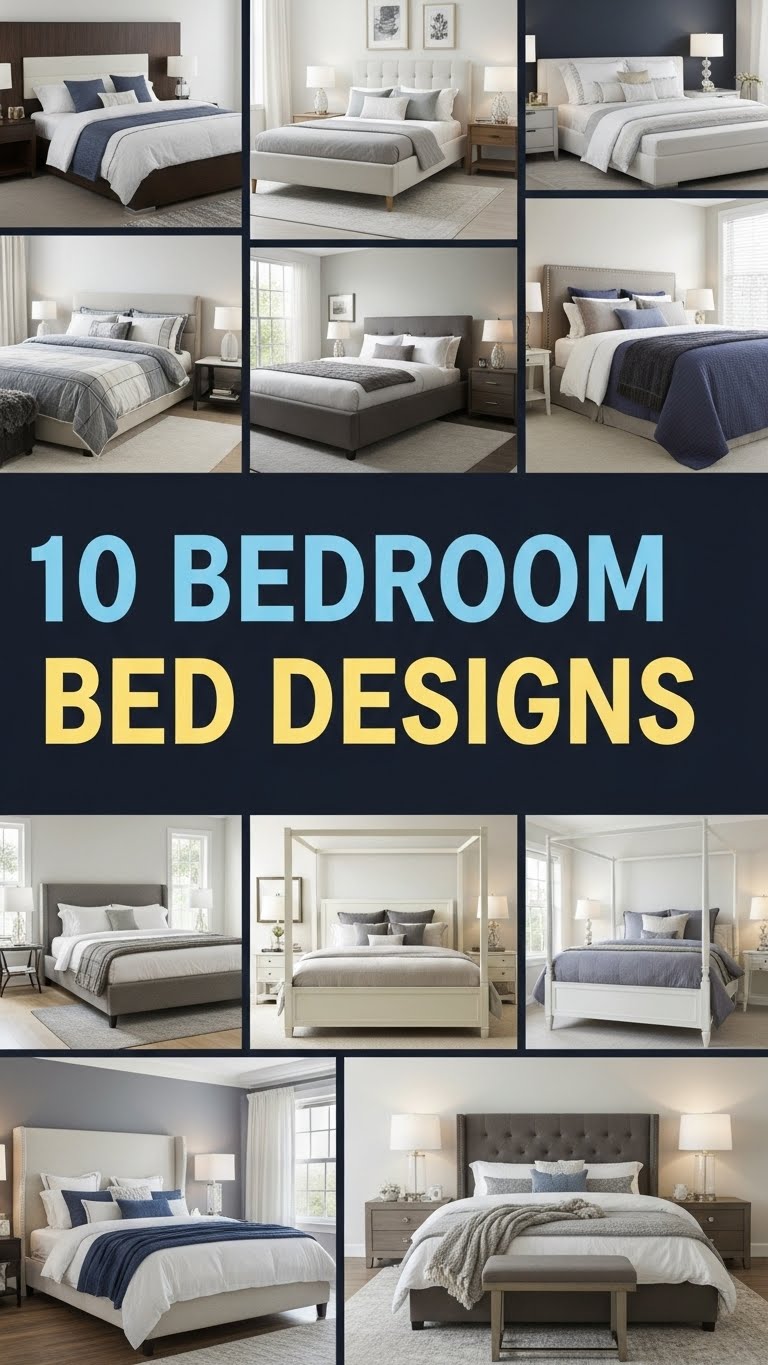
10 Bedroom Bed Designs
Your bedroom is more than just a place to sleep—it’s a sanctuary, a personal retreat where style and comfort meet. Central to...
Read out all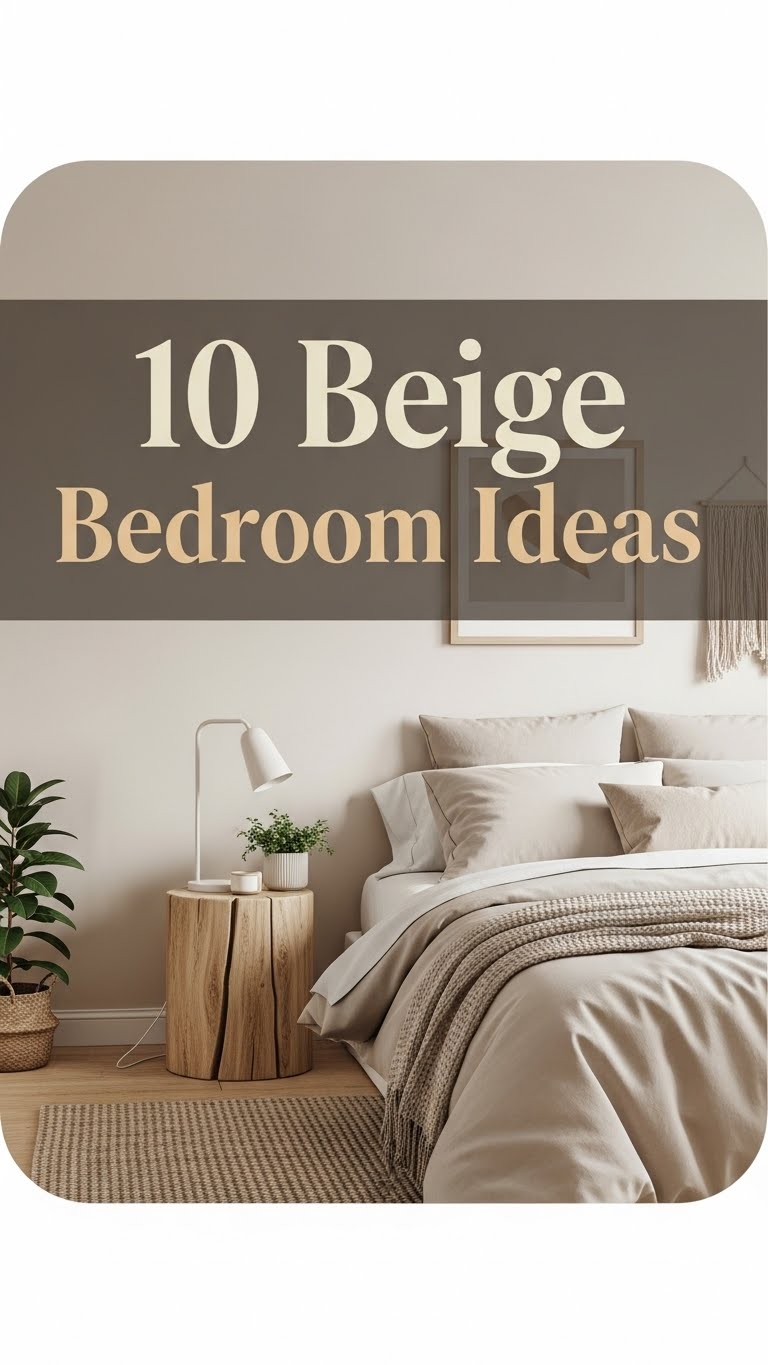
10 Beige Bedroom Ideas
When it comes to bedroom design, beige is a timeless and versatile color that exudes warmth, sophistication, and calm. Unlike brighter colors...
Read out all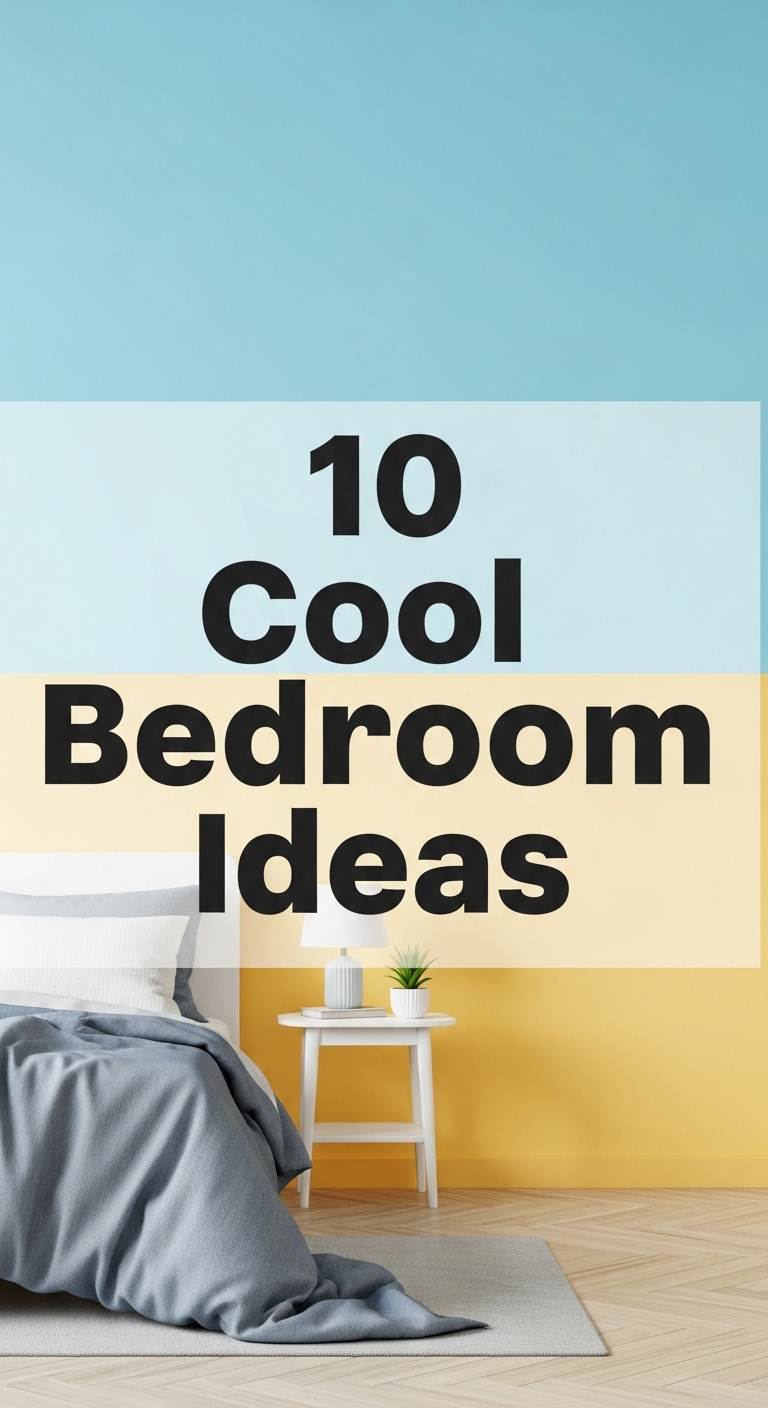
10 Cool Bedroom Ideas
Your bedroom is more than just a place to sleep. It is your sanctuary, your personal retreat, and a reflection of your...
Read out all