
Transitional living room design is the perfect blend of classic elegance and modern simplicity. It brings together the warmth and comfort of traditional decor with the clean lines and neutral tones of contemporary style. The result is a space that feels timeless, inviting, and effortlessly balanced. Whether you are redecorating your entire living room or just looking to make small updates, the transitional style offers endless possibilities.
In this blog post, we will explore 10 transitional living room decor ideas that can help you create a stylish, cozy, and sophisticated space that works for any home. Each idea combines comfort and class in a way that never goes out of style.

1. Embrace a Neutral Color Palette
The foundation of any transitional living room is its color scheme. Neutral tones such as white, beige, gray, taupe, and soft browns form the base of this style. These colors provide a calm backdrop that allows furniture, textures, and accent pieces to shine.
Start by painting your walls in a soft neutral shade. Light gray or warm ivory works beautifully. Add contrast with darker furniture, such as a charcoal sofa or espresso wood coffee table. To keep the space from feeling flat, layer different shades of neutrals. A beige rug, cream curtains, and light gray throw pillows will add depth and visual interest without overwhelming the room.
You can also incorporate muted accent colors like dusty blue, sage green, or soft blush through decor items like vases or cushions. These subtle pops of color bring life to the neutral palette while keeping the overall feel sophisticated and calm.

2. Mix Traditional and Modern Furniture
One of the most defining features of transitional design is the blend of traditional and contemporary furniture. The goal is to balance old-world charm with modern comfort.
For example, pair a classic tufted sofa with sleek metal side tables or choose a contemporary glass coffee table alongside traditional wingback chairs. The mix should feel intentional and cohesive, not mismatched.
When selecting furniture, focus on clean lines and simple silhouettes. Avoid overly ornate pieces or ultra-modern designs that feel cold. Transitional furniture often has gentle curves, soft edges, and neutral upholstery.
Wooden furniture in natural or dark stains adds warmth, while metal and glass accents bring a touch of modern refinement. This combination of textures creates a layered, lived-in look that feels both elegant and inviting.

3. Layer Different Textures
Texture plays a crucial role in transitional living rooms. Because the color palette is often neutral, incorporating a variety of materials helps add depth and character.
Think of layering soft fabrics with smooth surfaces and rough finishes. A linen sofa, velvet throw pillows, a wool rug, and a leather armchair can all coexist beautifully in one space. The contrast between soft and structured materials enhances the tactile appeal of the room.
You can also add texture through natural elements like woven baskets, rattan furniture, or stone accents. These organic touches balance out the polished look of metal or glass and make the space feel more comfortable and grounded.

4. Focus on Balanced Layouts
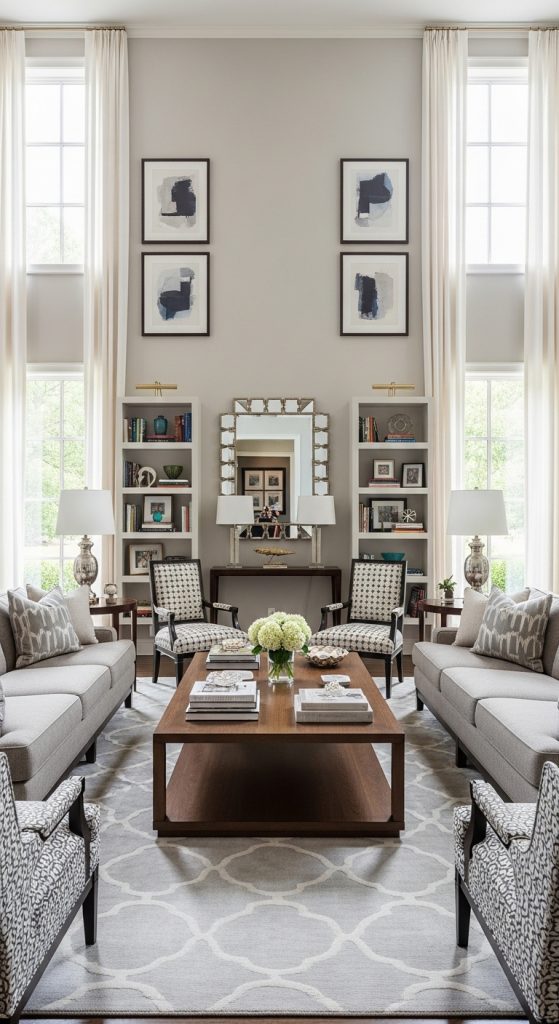
Transitional design is all about balance, and that starts with the layout. Arrange your furniture in a way that encourages conversation and comfort while maintaining symmetry.
If you have a large living room, anchor the space with a central rug and position your seating around it. Matching sofas or pairs of chairs create harmony, while a large coffee table brings everything together.
For smaller living rooms, focus on creating an open and airy feel. Choose furniture that fits the space without overcrowding it, and keep pathways clear. The goal is to achieve a sense of order and calm that complements the transitional aesthetic.
Balanced layouts also apply to decor placement. If you have a statement artwork on one wall, balance it with shelving or mirrors on the opposite side. This symmetry helps the room feel cohesive and visually pleasing.
5. Incorporate Subtle Patterns
While transitional living rooms lean toward simplicity, subtle patterns can add charm and personality. Think classic motifs like herringbone, damask, stripes, or geometric prints in muted tones.
For instance, you can choose a patterned area rug with soft neutral hues or accent chairs with understated upholstery designs. Throw pillows with small-scale prints also bring a touch of interest without overpowering the room.
The key is restraint. Patterns should enhance the design, not dominate it. Stick to two or three complementary patterns, and make sure they stay within the same color palette. This ensures a harmonious and sophisticated look.

6. Use Statement Lighting
Lighting is a defining element in transitional living room decor. It not only enhances the overall mood but also acts as a design statement.
Choose fixtures that combine traditional and modern elements. A crystal chandelier with clean lines, a sleek metal floor lamp, or a classic drum shade pendant can elevate the space instantly.
Layer your lighting for flexibility and ambiance. Use a combination of ceiling fixtures, wall sconces, floor lamps, and table lamps. Dimmer switches are especially useful for adjusting brightness to suit the time of day or the mood you want to create.
The right lighting adds warmth and elegance while emphasizing the textures and details that make your transitional living room unique.

7. Highlight Architectural Details
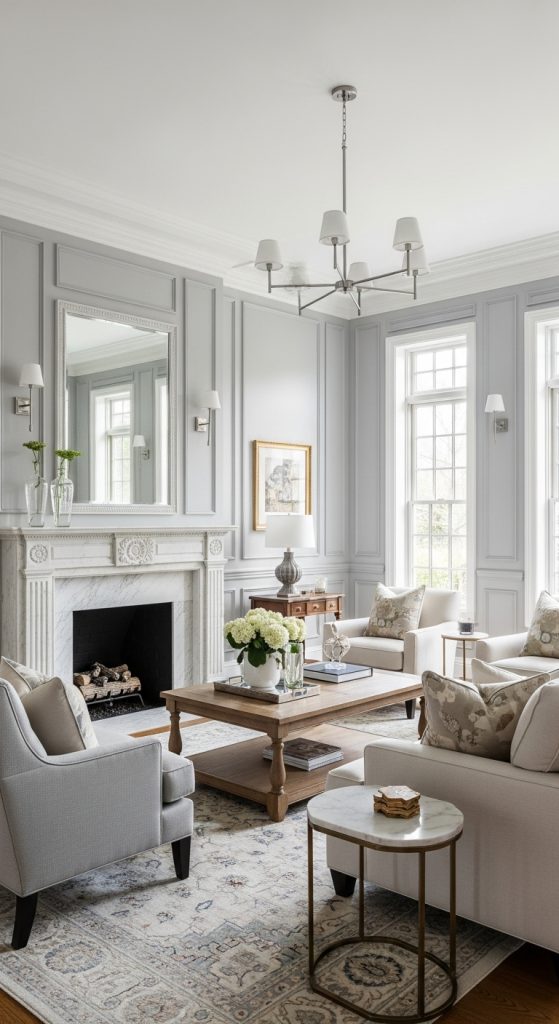
If your home has architectural features like crown molding, wainscoting, or exposed beams, make them part of your design. Transitional style celebrates craftsmanship and structure without being overly ornate.
You can paint trim and molding in crisp white for a clean contrast against soft wall colors. If your space lacks architectural details, you can introduce visual interest with framed wall panels, built-in shelving, or a fireplace mantel.
A fireplace, whether traditional or modern, serves as an excellent focal point in a transitional living room. Decorate the mantel with a balanced arrangement of mirrors, vases, or framed artwork to complete the look.
8. Add Thoughtful Accessories
Accessories in a transitional living room should feel curated, not cluttered. Every piece should have purpose and harmony with the rest of the decor.
Think of large-scale art, sculptural vases, decorative books, and minimalistic trays. A few well-chosen accessories can make a bigger impact than many small items.
Opt for timeless materials like glass, metal, and ceramic. A collection of neutral-toned pottery or a stack of linen-bound books can bring texture and interest.
Incorporate greenery as well. A tall fiddle-leaf fig, olive tree, or simple potted plant adds life and freshness to the room while complementing the neutral tones.
The key is simplicity and balance. Avoid over-accessorizing, and leave enough negative space for the room to breathe.

9. Blend Comfort and Functionality
Transitional living rooms are not just about aesthetics; they are designed to be livable and comfortable. Choose furniture that invites relaxation while maintaining a refined look.
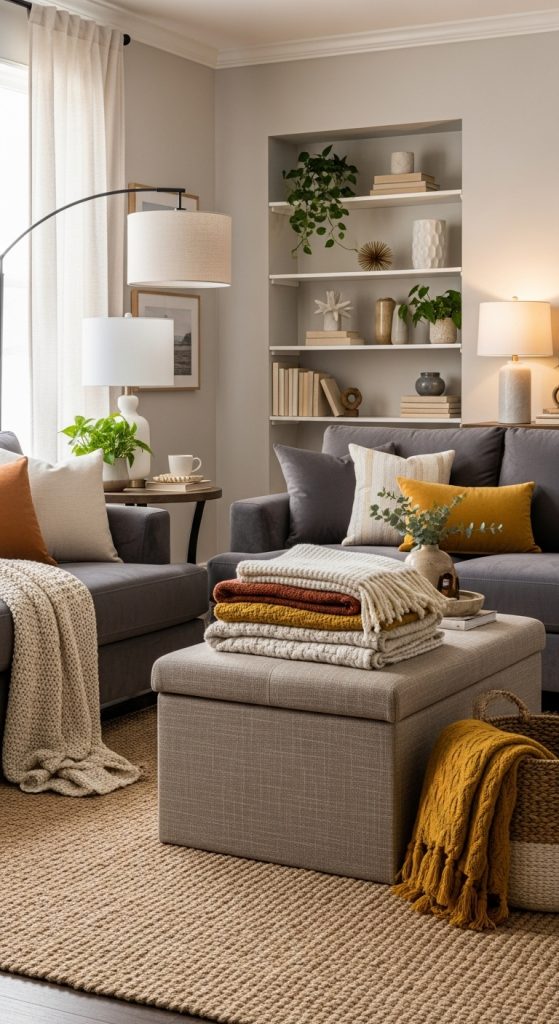
A deep, plush sofa with clean lines, an oversized ottoman, or an upholstered bench can offer both style and comfort. Soft throw blankets and pillows add warmth and make the room feel welcoming.
Storage-friendly furniture like coffee tables with drawers, built-in shelves, or storage ottomans can keep clutter out of sight and maintain a polished look.
Functionality should never compromise beauty in transitional design. The goal is a space that feels elegant yet entirely practical for everyday living.
10. Create a Timeless Atmosphere
The beauty of transitional design lies in its timeless appeal. It avoids trends that quickly fade and instead focuses on enduring style.
To achieve this, invest in quality pieces that will stand the test of time. Classic sofas, solid wood tables, and durable fabrics are worth the investment.
Keep your design simple and refined. Avoid excessive ornamentation, and let the quality of materials and craftsmanship speak for themselves.
You can refresh the space over time with new accessories, updated textiles, or a fresh coat of paint while keeping the foundational elements consistent. This adaptability is what makes transitional design so appealing—it evolves gracefully with your lifestyle.

Final Thoughts
A transitional living room is the perfect fusion of classic charm and modern elegance. It strikes the right balance between comfort and sophistication, creating a space that feels both fresh and timeless.
By focusing on neutral colors, clean lines, rich textures, and balanced proportions, you can craft a living room that exudes harmony and warmth. Each design choice, from lighting to furniture, should contribute to the overall sense of calm and cohesion.
Whether your home leans more traditional or contemporary, the transitional style adapts effortlessly. It’s versatile, inviting, and ideal for anyone seeking a space that feels polished yet lived-in.
As you design your transitional living room, remember that the beauty lies in simplicity and balance. Every element—from the neutral palette to the mix of textures—should work together to create an environment that feels both stylish and welcoming.
Your living room should be a reflection of your lifestyle, a space where you can relax, entertain, and enjoy timeless beauty for years to come.
Author

admin@weltpromi.de
Related Posts
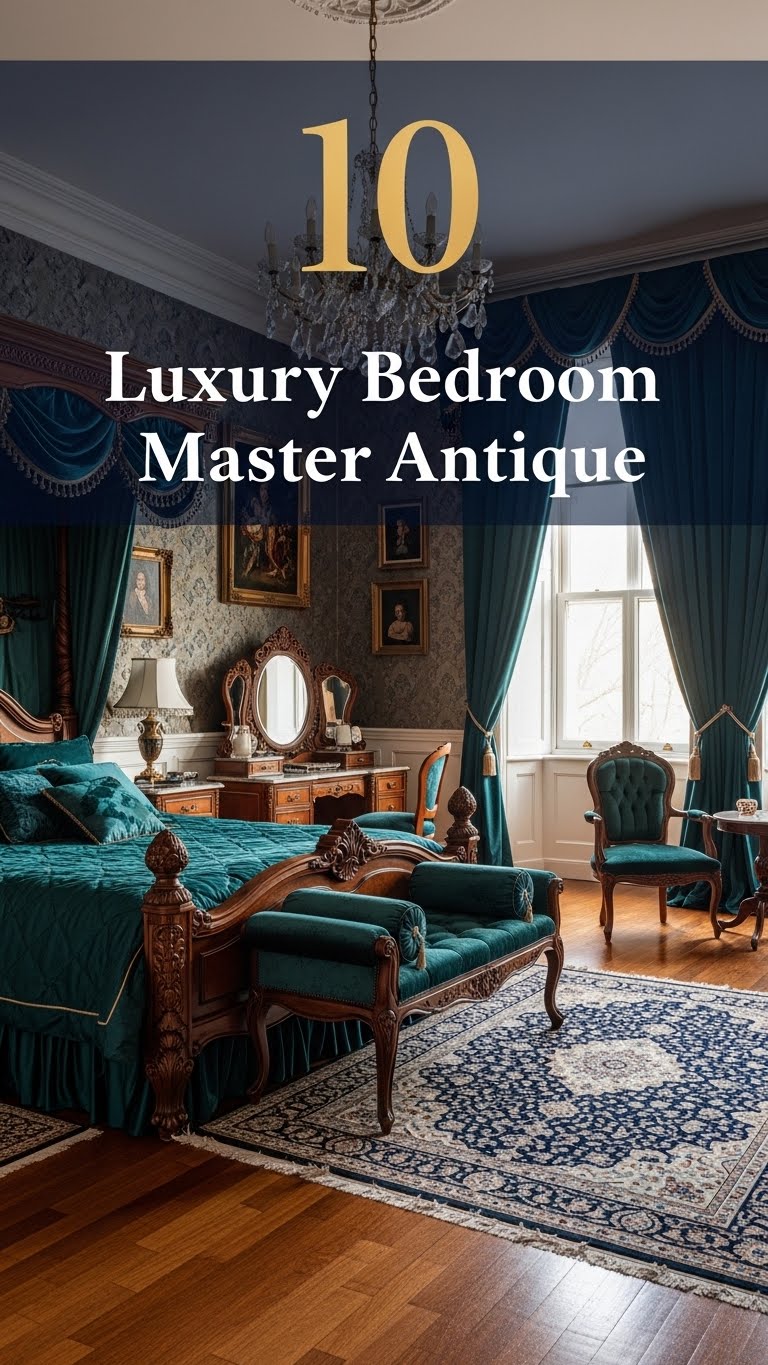
10 Luxury Bedroom Master Antique
Creating a luxurious master bedroom is all about blending comfort, elegance, and timeless design. When you add antique elements into the mix,...
Read out all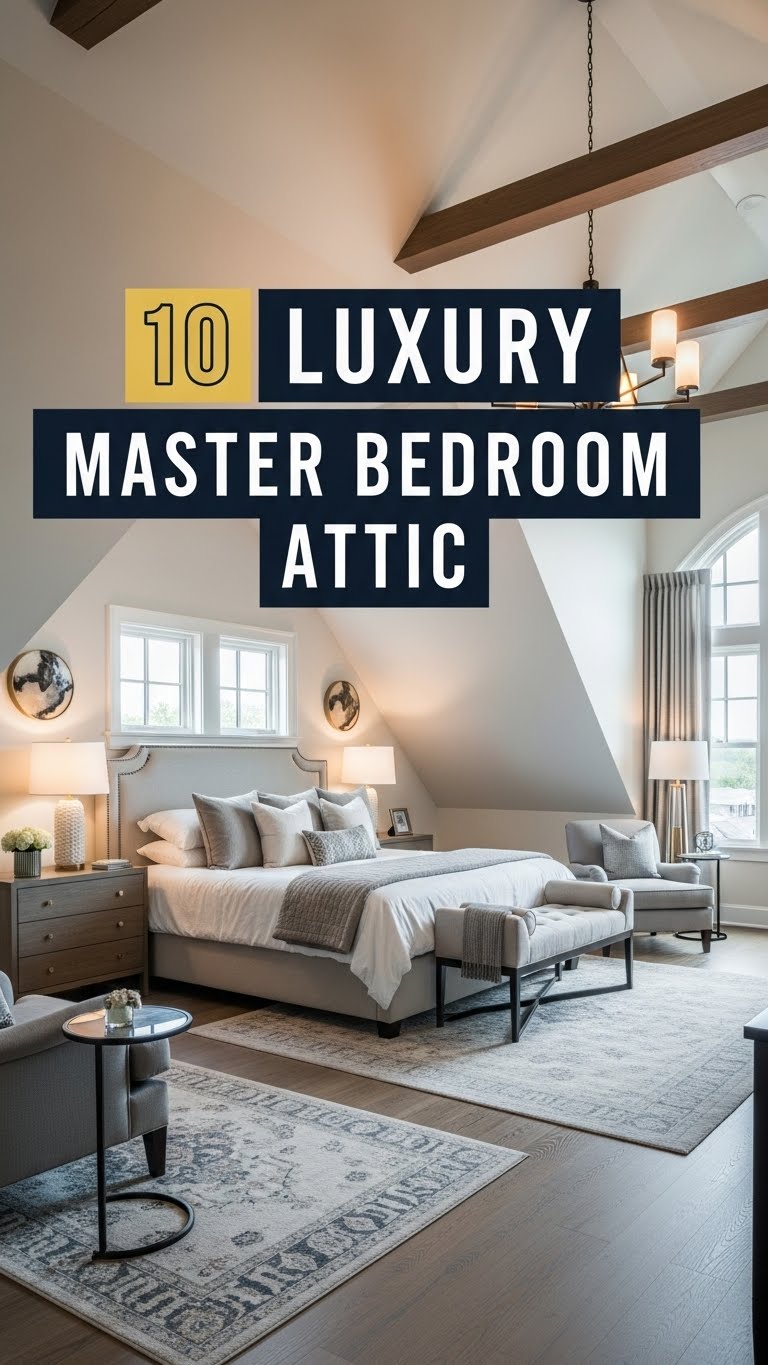
10 Luxury Master Bedroom Attic
Turning an attic into a luxurious master bedroom is an excellent way to maximize your home’s potential. Attics often come with unique...
Read out all
10 Luxury Bedroom Master Aesthetic
Creating a luxurious master bedroom is about more than just choosing expensive furniture. It is about crafting a space that embodies comfort,...
Read out all
10 Bedroom Bed Designs
Your bedroom is more than just a place to sleep—it’s a sanctuary, a personal retreat where style and comfort meet. Central to...
Read out all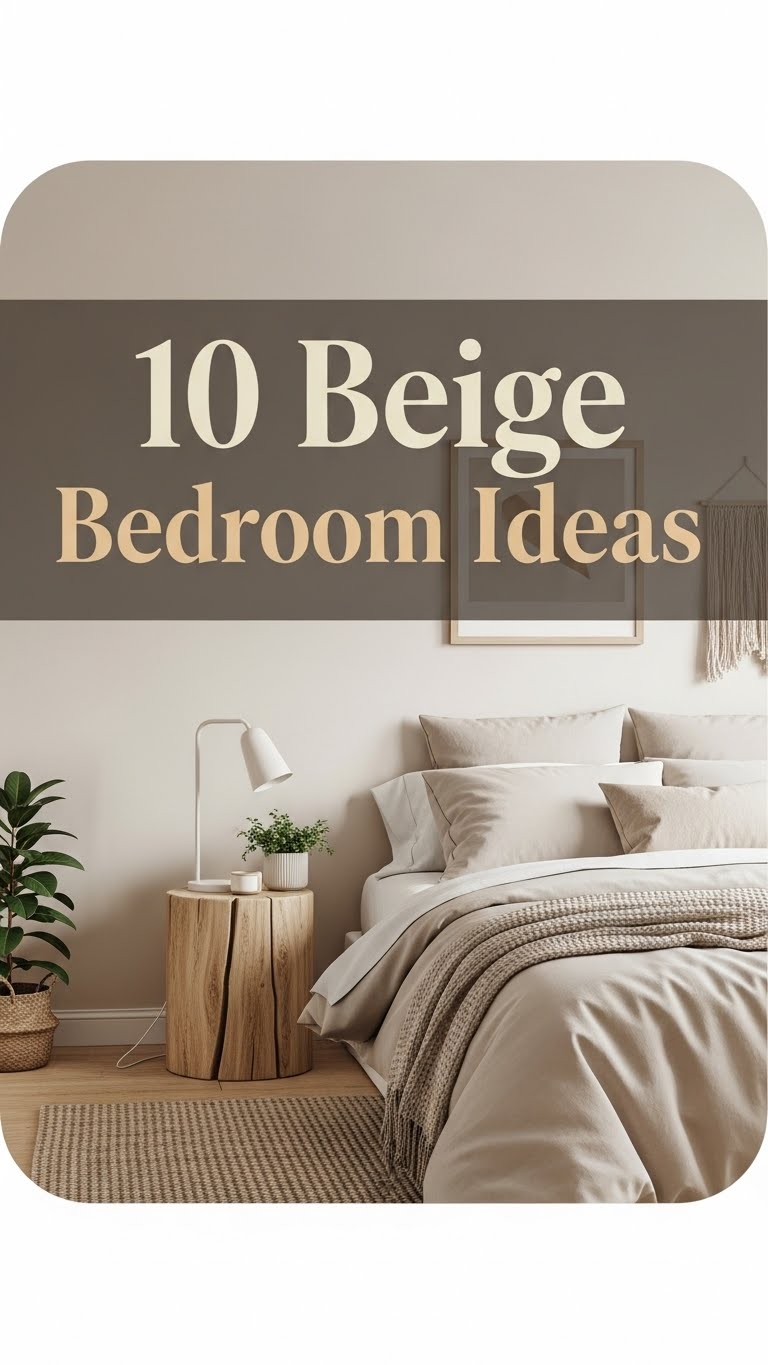
10 Beige Bedroom Ideas
When it comes to bedroom design, beige is a timeless and versatile color that exudes warmth, sophistication, and calm. Unlike brighter colors...
Read out all
10 Cool Bedroom Ideas
Your bedroom is more than just a place to sleep. It is your sanctuary, your personal retreat, and a reflection of your...
Read out all