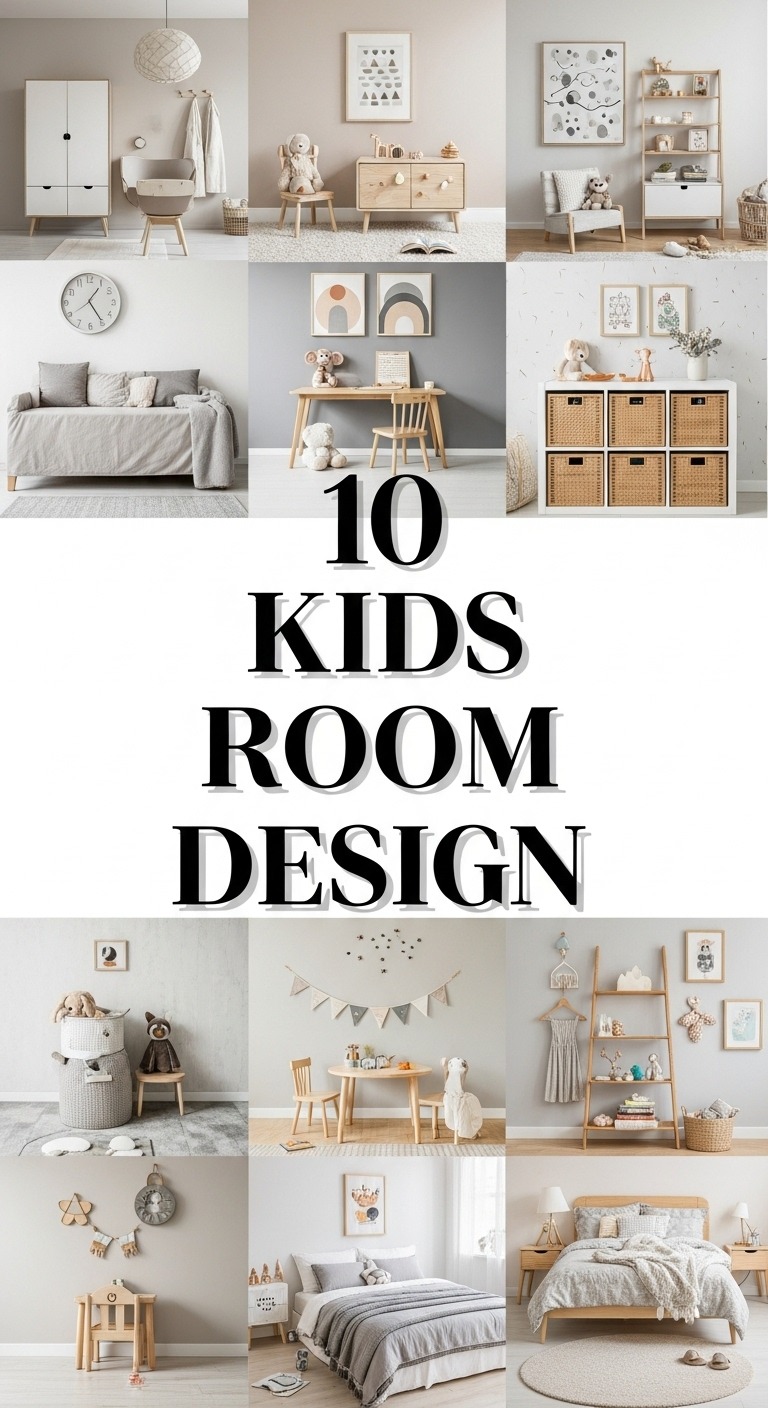
Designing a kids room is one of the most rewarding projects for any parent or designer. A child’s room is more than just a place to sleep. It is their little world where they play, dream, learn, and grow. The perfect kids room design combines creativity, functionality, and comfort while allowing room for imagination.
Whether you are designing for a toddler, school-age child, or a teenager, there are endless ways to make the space beautiful and inspiring. From themed rooms to practical storage ideas, this guide covers ten amazing kids room design ideas that will help you create a space your child will love.

1. The Adventure-Themed Room
Kids love adventure, and an adventure-themed room can turn their daily environment into an imaginative playground. Think of safari jungles, pirate ships, or outer space. These designs ignite creativity and keep children excited about their surroundings.
For a jungle theme, use green walls, leafy decals, and animal prints. Add a tent or canopy to create a sense of exploration. For a pirate theme, use navy blue accents, rope decor, and treasure chest-style storage boxes. Space themes can include glow-in-the-dark stars, a moon lamp, and bedding inspired by astronauts and planets.
When designing an adventure-themed room, balance creativity with function. Make sure there is space for play and study, along with comfortable sleeping arrangements.

2. Minimalist Scandinavian Style
If you love clean lines and simplicity, a Scandinavian-inspired kids room is a beautiful choice. The design focuses on light colors, natural materials, and cozy textiles. Think white walls, wooden furniture, and pastel accents.
This design is perfect for smaller spaces because it keeps the room feeling open and bright. You can add warmth through soft rugs, linen curtains, and textured bedding. Floating shelves can display toys or books without cluttering the floor.
A minimalist style also encourages organization and helps children learn the value of simplicity. It is timeless and can easily transition as your child grows older.

3. Gender-Neutral Playroom Bedroom
Gone are the days when pink was only for girls and blue was only for boys. Gender-neutral rooms are becoming increasingly popular for their flexibility and modern appeal. Use a mix of soft colors like mint, beige, gray, mustard, or light wood tones.
Furniture such as modular shelving, bean bags, and neutral rugs can work for any age or gender. Add pops of color through artwork or accent pillows.
A gender-neutral room gives you the freedom to redecorate easily as your child’s preferences change. It also provides a calm, balanced environment that encourages creativity and learning.

4. Educational and Functional Study Corner
Every kids room needs a dedicated space for learning and creativity. A functional study corner can be both stylish and practical.
Choose a compact desk with storage drawers for supplies. Add a comfortable chair and good lighting to create an inviting study environment. You can also personalize the space with a corkboard or whiteboard where your child can display artwork, notes, or reminders.
To keep the area clutter-free, use shelves or organizers for books and stationery. A cozy reading nook beside the study corner can also encourage good reading habits from a young age.

5. Nature-Inspired Kids Room
Nature-inspired rooms create a calm and refreshing atmosphere. Use earthy colors like green, beige, and light brown to bring the outdoors inside.
Consider botanical prints, wooden furniture, and natural fiber rugs. Wall murals of forests, mountains, or clouds can give the room a sense of serenity.
Adding indoor plants like ferns or succulents (safely placed) teaches kids about nature and responsibility. Soft, warm lighting enhances the natural vibe. This design also promotes relaxation, making it ideal for kids who need a peaceful space for sleep and play.

6. Bunk Beds and Shared Room Ideas
If your children share a room, bunk beds are a fantastic space-saving solution. They make the room fun while allowing each child to have their own defined space.
Choose bunk beds with built-in drawers or shelves to maximize storage. You can even design the area underneath as a study corner or play zone.
Personalize each bunk with unique bedding, wall art, or nameplates so each child feels a sense of ownership. Use color coordination to maintain harmony between both spaces while allowing individuality.
Shared rooms can also teach kids about sharing, teamwork, and organization.

7. Creative Wall Art and Murals
Walls are the perfect canvas for creativity. Instead of plain paint, use murals, decals, or wallpaper to make the room come alive.
For younger kids, you can choose animal illustrations, rainbows, or storybook scenes. For older kids, geometric shapes, maps, or abstract art can add sophistication.
A chalkboard wall is another exciting idea that lets children draw freely without worrying about making a mess. Magnetic walls can also serve as fun learning tools.
The key is to balance art with open space so the room does not feel overwhelming.

8. Storage That Doubles as Decor
Keeping a kids room tidy can be challenging, but creative storage solutions make it easier and more attractive. Choose multi-functional furniture like ottomans with hidden storage, wall-mounted baskets, or modular shelving.
Color-coded bins or woven baskets can help kids learn organization skills. Label each container for toys, books, and crafts.
If the room is small, use under-bed drawers or vertical shelving to save space. Decorative hooks can hold bags, hats, or jackets, making cleanup fun and easy.
Stylish storage not only keeps clutter away but also enhances the overall design of the room.

9. Lighting That Sets the Mood
Lighting plays a crucial role in a child’s room. It should be both functional and magical.
Use layered lighting, including ceiling fixtures, table lamps, and nightlights. Soft warm light is ideal for bedtime, while bright white light works well for studying or playtime.
Consider themed lamps like stars, animals, or clouds to add charm. Fairy lights or string lights can create a whimsical atmosphere perfect for bedtime stories.
If the room has good natural light, use sheer curtains to let sunlight flow in during the day. This helps create a cheerful and energetic vibe.

10. Personalized Touches and DIY Decor
Every child is unique, and their room should reflect that. Personalizing the decor makes the space truly special.
Display your child’s artwork in frames or create a gallery wall with their favorite photos and crafts. Add monogrammed pillows, name signs, or custom-made wall hangings.
DIY projects like handmade garlands, painted furniture, or paper crafts can make the room feel more personal. These projects can also become fun activities you share with your child.
The goal is to create a space that grows with them and continues to inspire creativity, confidence, and joy.

Tips for Designing a Kids Room
Here are some general tips to make your kids room design practical and long-lasting:
- Safety First: Always ensure furniture edges are rounded and secure heavy items to the wall.
- Flexible Design: Choose furniture that can adapt as your child grows, like adjustable desks or convertible beds.
- Easy Maintenance: Select washable fabrics and durable paint finishes.
- Use Color Wisely: Stick to a few complementary colors instead of too many bright tones.
- Encourage Independence: Make storage accessible so kids can clean up easily.
- Keep Space for Play: Even in small rooms, leave open floor space for fun and creativity.
- Add Texture: Mix materials like wood, cotton, and rattan to make the room visually interesting.
- Think Long-Term: Invest in timeless furniture pieces that can work for years.
- Involve Your Child: Let them choose some decor items so they feel ownership of their space.
- Focus on Balance: Blend aesthetics and functionality to create a perfect harmony.
Conclusion
A kids room is more than a bedroom; it is a world of imagination, learning, and comfort. The best designs are those that combine fun with practicality, encouraging creativity while keeping things organized.
Whether you choose an adventure theme, a minimalist Scandinavian look, or a cozy natural style, always focus on what makes your child happy and comfortable. A thoughtfully designed room can spark curiosity, nurture dreams, and become a cherished part of childhood memories.
As children grow, their interests and needs will change, but a well-planned foundation ensures the space remains functional and stylish for years to come.
By incorporating creativity, smart storage, and personal touches, you can design a kids room that feels magical every day.
Author

admin@weltpromi.de
Related Posts
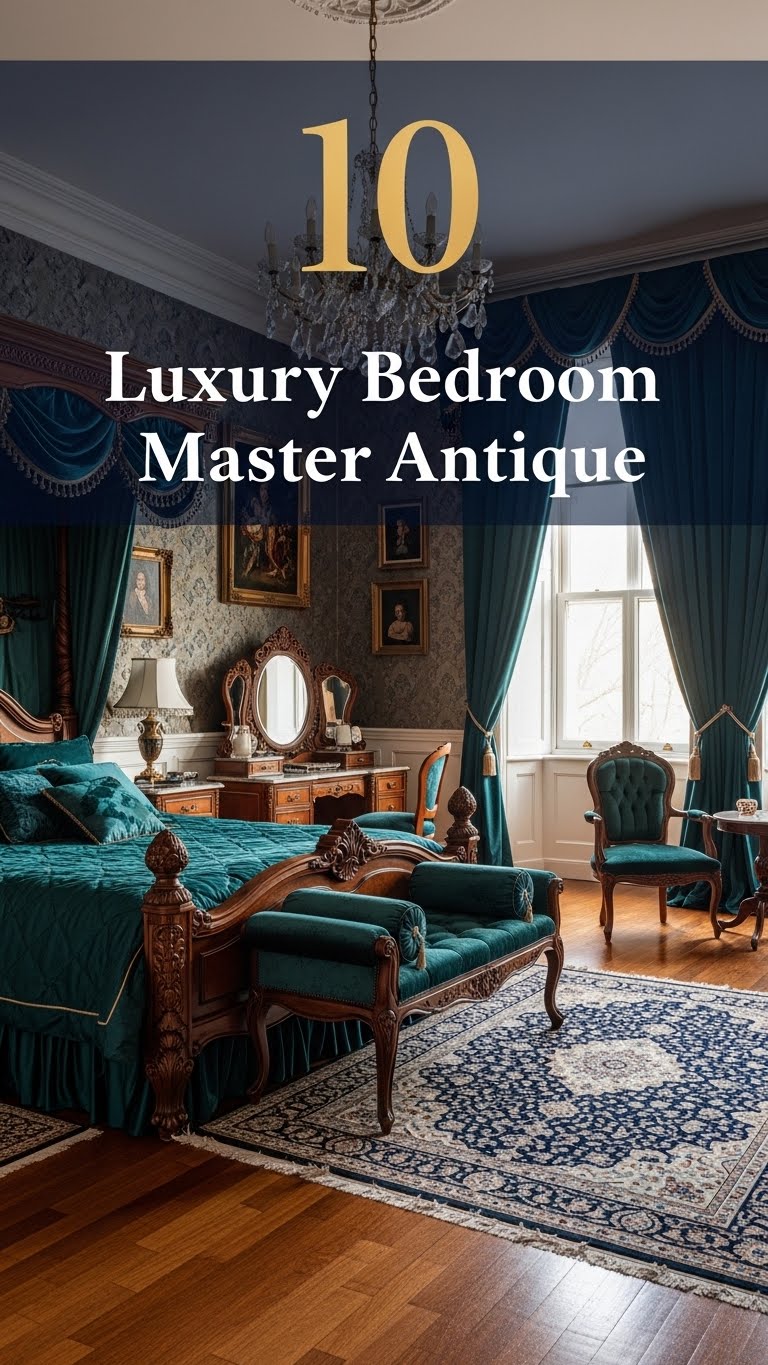
10 Luxury Bedroom Master Antique
Creating a luxurious master bedroom is all about blending comfort, elegance, and timeless design. When you add antique elements into the mix,...
Read out all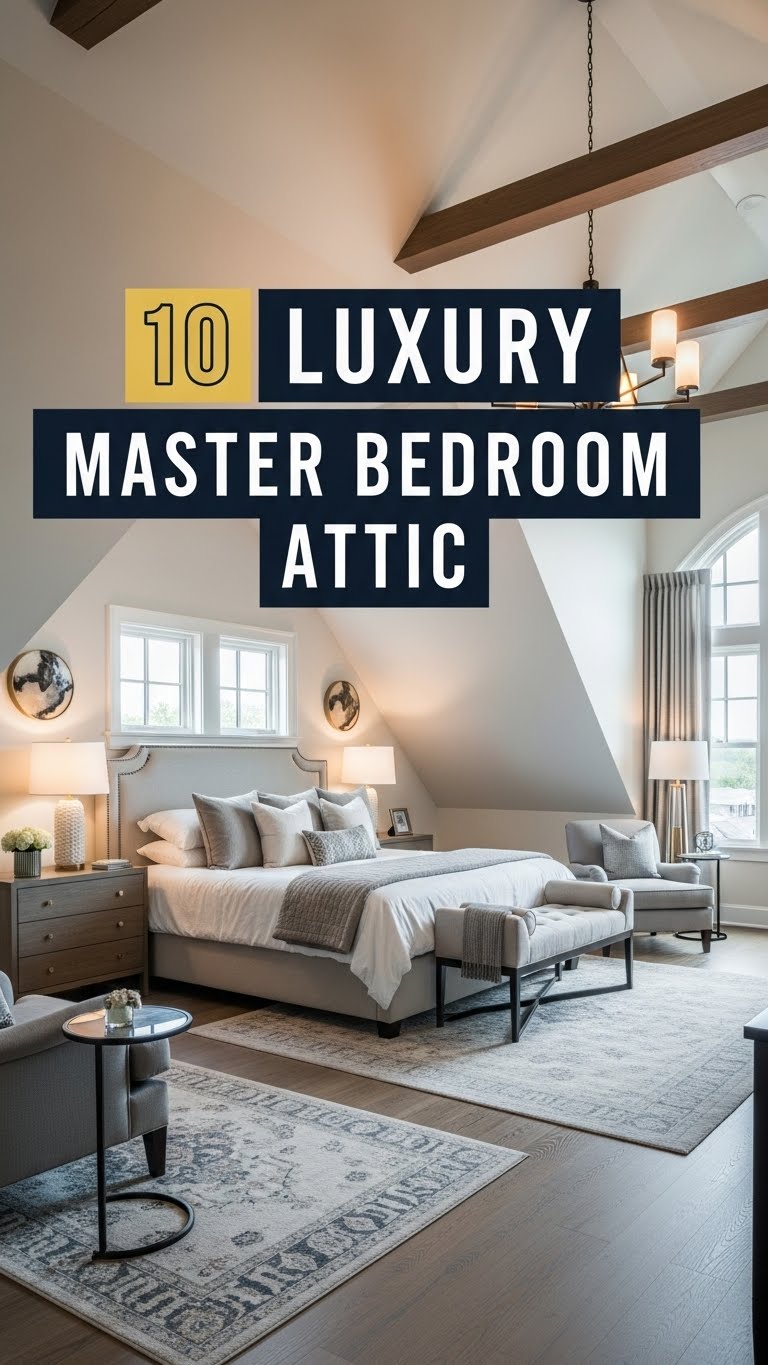
10 Luxury Master Bedroom Attic
Turning an attic into a luxurious master bedroom is an excellent way to maximize your home’s potential. Attics often come with unique...
Read out all
10 Luxury Bedroom Master Aesthetic
Creating a luxurious master bedroom is about more than just choosing expensive furniture. It is about crafting a space that embodies comfort,...
Read out all
10 Bedroom Bed Designs
Your bedroom is more than just a place to sleep—it’s a sanctuary, a personal retreat where style and comfort meet. Central to...
Read out all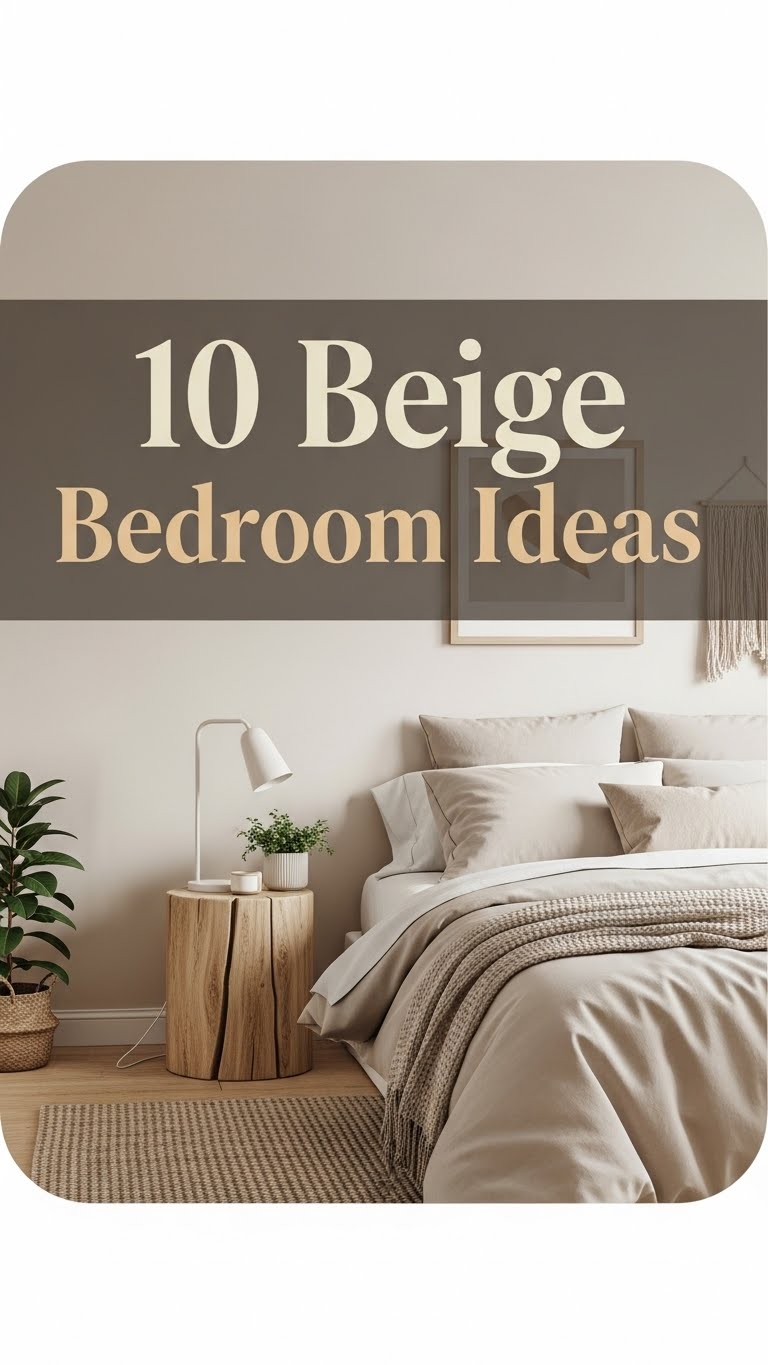
10 Beige Bedroom Ideas
When it comes to bedroom design, beige is a timeless and versatile color that exudes warmth, sophistication, and calm. Unlike brighter colors...
Read out all
10 Cool Bedroom Ideas
Your bedroom is more than just a place to sleep. It is your sanctuary, your personal retreat, and a reflection of your...
Read out all