
Designing a small kids room can be both exciting and challenging. Limited space often demands smart planning, creative thinking, and multifunctional design solutions. Whether you are creating a cozy nursery, a shared room for siblings, or a playful space for a growing child, there are countless ways to make a small room feel spacious, organized, and full of character. In this blog post, we will explore 10 small kids room ideas that balance function, comfort, and charm, while keeping things stylish and clutter free.

1. Multi Functional Furniture
When space is limited, furniture that serves more than one purpose becomes your best friend. Think of beds with built in drawers, foldable study desks, or benches that double as toy storage. A loft bed can also be an excellent choice, creating extra space underneath for a desk, play area, or reading nook.
Modular furniture systems are another smart option. They allow you to adjust and expand pieces as your child grows. For instance, a convertible crib can transform into a toddler bed and later into a small daybed. Multi functional furniture helps reduce clutter, promotes organization, and allows the room to adapt to your child’s changing needs.

2. Use Vertical Space
In a small kids room, the key to maximizing space is to think vertically. Tall storage shelves, wall mounted bookshelves, and hanging organizers can make a big difference. By utilizing the walls effectively, you can free up floor space for play and movement.
Consider adding floating shelves for books and toys, or install wall pegs to hang bags, hats, and jackets. You can also add wall mounted baskets near the study desk to keep stationery and art supplies organized. Using vertical space not only enhances functionality but also makes the room feel taller and more open.

3. Choose a Light Color Palette
Colors play a crucial role in how a small room feels. Light shades such as white, cream, pastel pink, sky blue, and soft gray make a small space appear larger and brighter. These colors reflect light and create an airy atmosphere.
If your child loves bold colors, you can still incorporate them through accent pieces such as bedding, rugs, curtains, or wall art. A combination of a neutral base with colorful accessories keeps the room cheerful without overwhelming the senses. You can also add a feature wall using removable wallpaper or decals to give the room personality without making it look cluttered.

4. Smart Storage Solutions
A small kids room can quickly become messy without proper storage. The secret is to design storage that is practical, accessible, and visually tidy. Built in wardrobes, under bed drawers, and wall shelves are excellent for keeping things in order.
Use labeled baskets or bins for toys and art supplies. This not only encourages organization but also makes it easier for your child to clean up after playtime. Consider furniture pieces with hidden compartments such as ottomans or benches. You can even add storage boxes that fit neatly under the bed to store off season clothes or extra bedding.
Maximizing every inch of available space ensures that the room remains functional and neat throughout the day.

5. Create Defined Zones
Even in a small room, it is helpful to define separate zones for sleeping, studying, and playing. This helps your child stay organized and focus better on different activities. You can use furniture placement, rugs, or lighting to create subtle divisions between zones.
For example, a cozy rug under the bed defines the sleeping area, while a small desk near the window can serve as a study space. A corner with a few floor cushions or a tent can become a mini play zone. By clearly defining areas, you make the room feel purposeful and structured without the need for physical partitions.

6. Optimize Natural Light
Natural light instantly makes a small room feel larger and more inviting. Keep window treatments light and minimal to allow sunlight to flow freely. Sheer curtains or blinds are ideal choices for maintaining brightness while offering privacy.
Position the study desk near the window so your child can enjoy natural light while working or drawing. Mirrors can also be strategically placed to reflect light and create the illusion of more space. A well lit room feels airy, energizing, and perfect for your child’s daily activities.

7. Add Personalized Decor
Every child deserves a room that reflects their personality. Even a small room can be full of charm with personalized decor elements. Hang your child’s artwork, display favorite toys on shelves, or use wall decals featuring their favorite animals or characters.
You can also create a gallery wall with framed drawings, photographs, or inspirational quotes. Personal touches give the room warmth and character, making it a space your child truly loves. However, remember to keep decor minimal and organized to avoid overcrowding the small space.

8. Use Playful and Functional Lighting
Lighting is not just functional, it can also add fun and style to your child’s room. Layer your lighting with a combination of ceiling lights, task lamps, and nightlights. A cute pendant light or string lights can make the room feel magical and cozy.
For reading corners or study desks, adjustable lamps work best. Choose lights with soft warm tones to create a comfortable ambiance. Wall mounted lights can also be a space saving alternative to table lamps. Creative lighting adds personality and makes even the smallest room feel special.

9. Incorporate Foldable or Movable Pieces
Flexibility is key in a small kids room. Foldable tables, stackable chairs, and rolling carts can help you change the room’s layout easily as needed. When it is time to play, you can fold away the desk or move the cart aside to create more open floor space.
Rolling storage bins are great for art supplies or toys. They can be tucked under furniture or moved around for convenience. The ability to reconfigure the room based on daily activities ensures that your child gets the most out of the limited space.

10. Keep It Minimal and Organized
Minimalism is one of the most effective ways to make a small room feel larger and more peaceful. Avoid overcrowding the room with too many toys, furniture pieces, or decorations. Choose items that serve a clear purpose and keep surfaces clutter free.
A minimalist design does not mean boring. You can still use pops of color, texture, and pattern to create visual interest. The key is to maintain balance and harmony. Encourage your child to regularly sort through toys and donate items they no longer use. A clean, well organized space promotes relaxation, creativity, and focus.

Tips for Designing a Small Kids Room
- Measure before buying furniture: Always measure the room carefully and plan your layout before purchasing furniture.
- Think long term: Choose pieces that can grow with your child and adapt to changing needs.
- Use mirrors: Mirrors help create the illusion of space and reflect light.
- Add soft textures: Use rugs, cushions, and throws to add warmth and comfort.
- Maximize corners: Use corner shelves or reading nooks to utilize unused areas.
- Keep pathways clear: Arrange furniture to maintain open walking space.
- Use light furniture: Lightweight and compact furniture pieces make the room easy to rearrange.
- Involve your child: Let your child help choose colors or decor to make the room feel personal.
- Add fun elements: Even small spaces can have playful touches like wall decals, chalkboard paint, or a hanging canopy.
- Focus on safety: Ensure all furniture is stable and corners are rounded for child safety.
Final Thoughts
Designing a small kids room can seem challenging, but with the right ideas and approach, it can become one of the most charming spaces in your home. The key lies in balancing creativity and functionality. Use multi purpose furniture, light colors, and smart storage to make the most of limited space. Keep things simple, organized, and full of character.
Remember that a child’s room is more than just a place to sleep. It is a space where they learn, play, dream, and grow. With thoughtful planning and creative design, even the smallest room can become a world of imagination and comfort for your child.
A well designed small kids room encourages independence, inspires creativity, and makes everyday living easier for both parents and children. So, start planning today and transform that small space into a joyful retreat that your child will love for years to come.
Author

admin@weltpromi.de
Related Posts
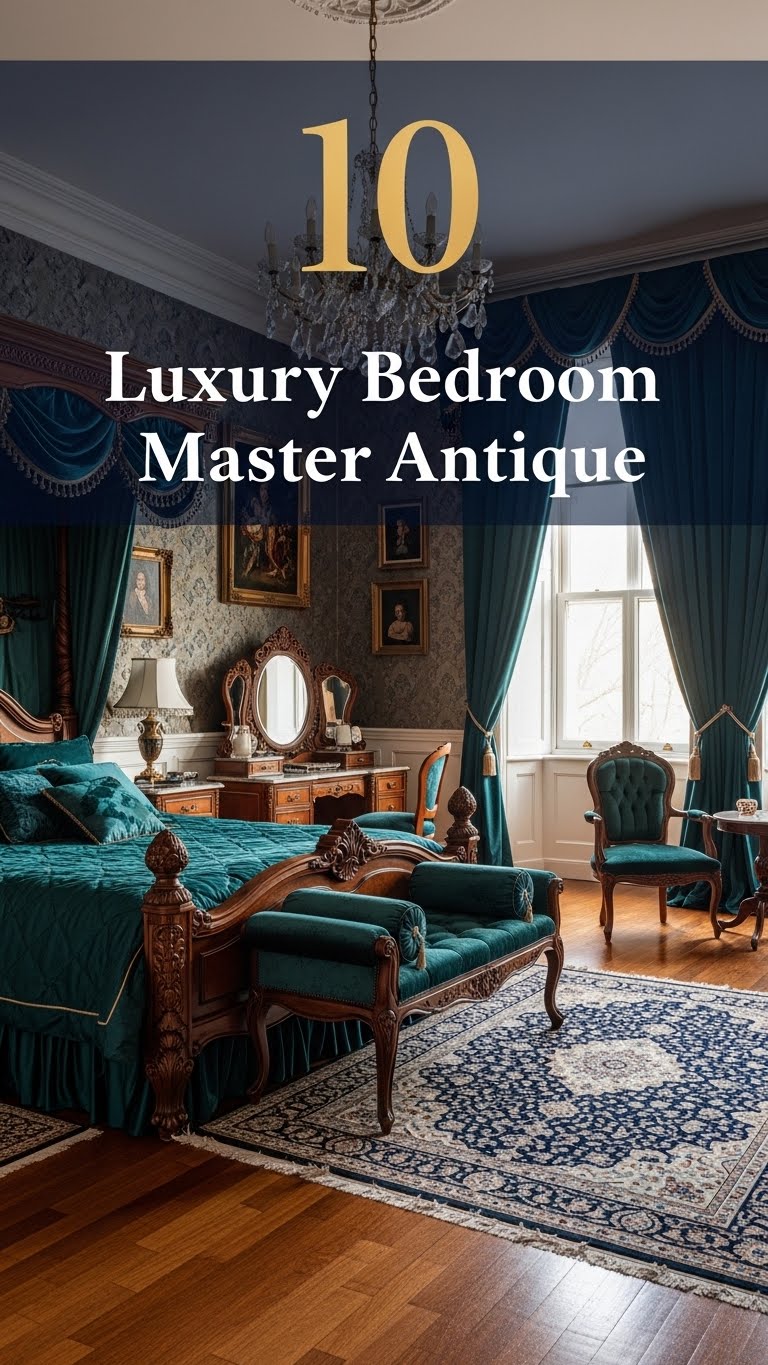
10 Luxury Bedroom Master Antique
Creating a luxurious master bedroom is all about blending comfort, elegance, and timeless design. When you add antique elements into the mix,...
Read out all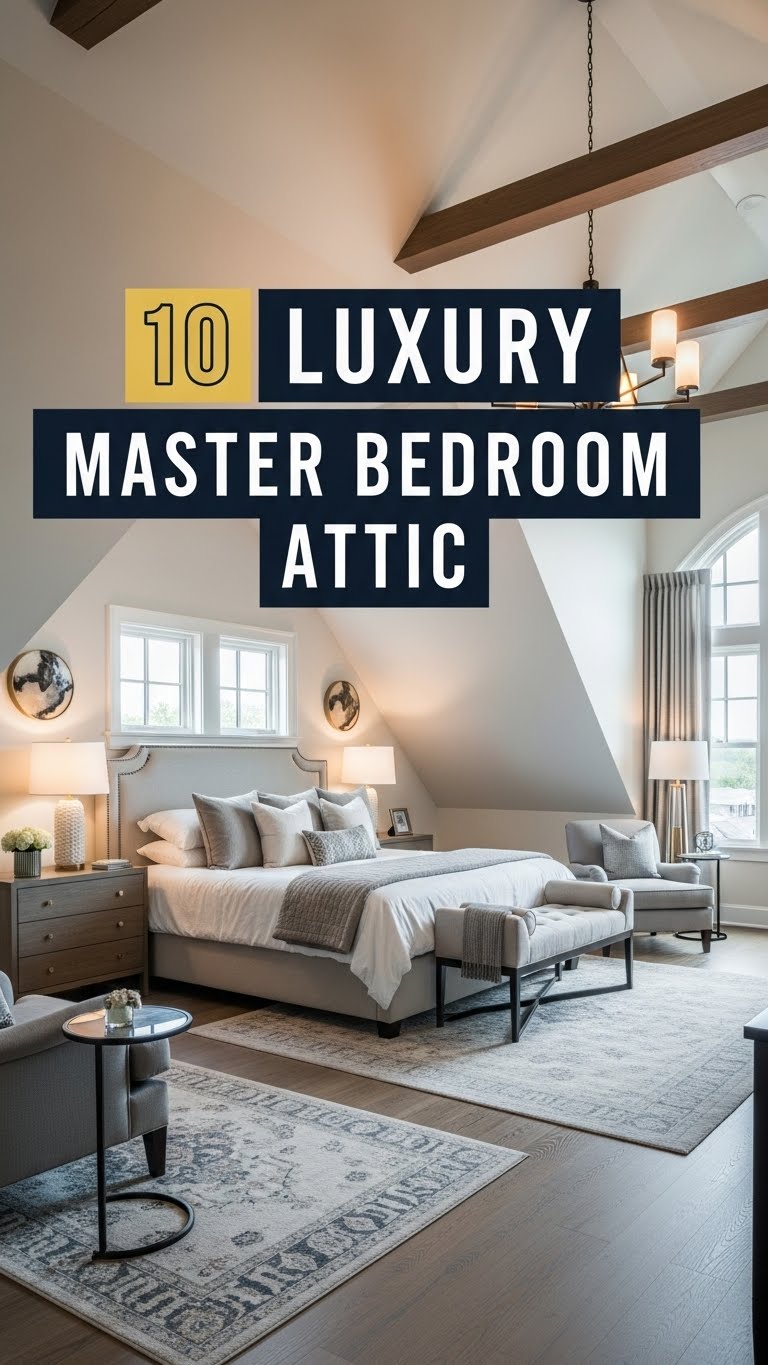
10 Luxury Master Bedroom Attic
Turning an attic into a luxurious master bedroom is an excellent way to maximize your home’s potential. Attics often come with unique...
Read out all
10 Luxury Bedroom Master Aesthetic
Creating a luxurious master bedroom is about more than just choosing expensive furniture. It is about crafting a space that embodies comfort,...
Read out all
10 Bedroom Bed Designs
Your bedroom is more than just a place to sleep—it’s a sanctuary, a personal retreat where style and comfort meet. Central to...
Read out all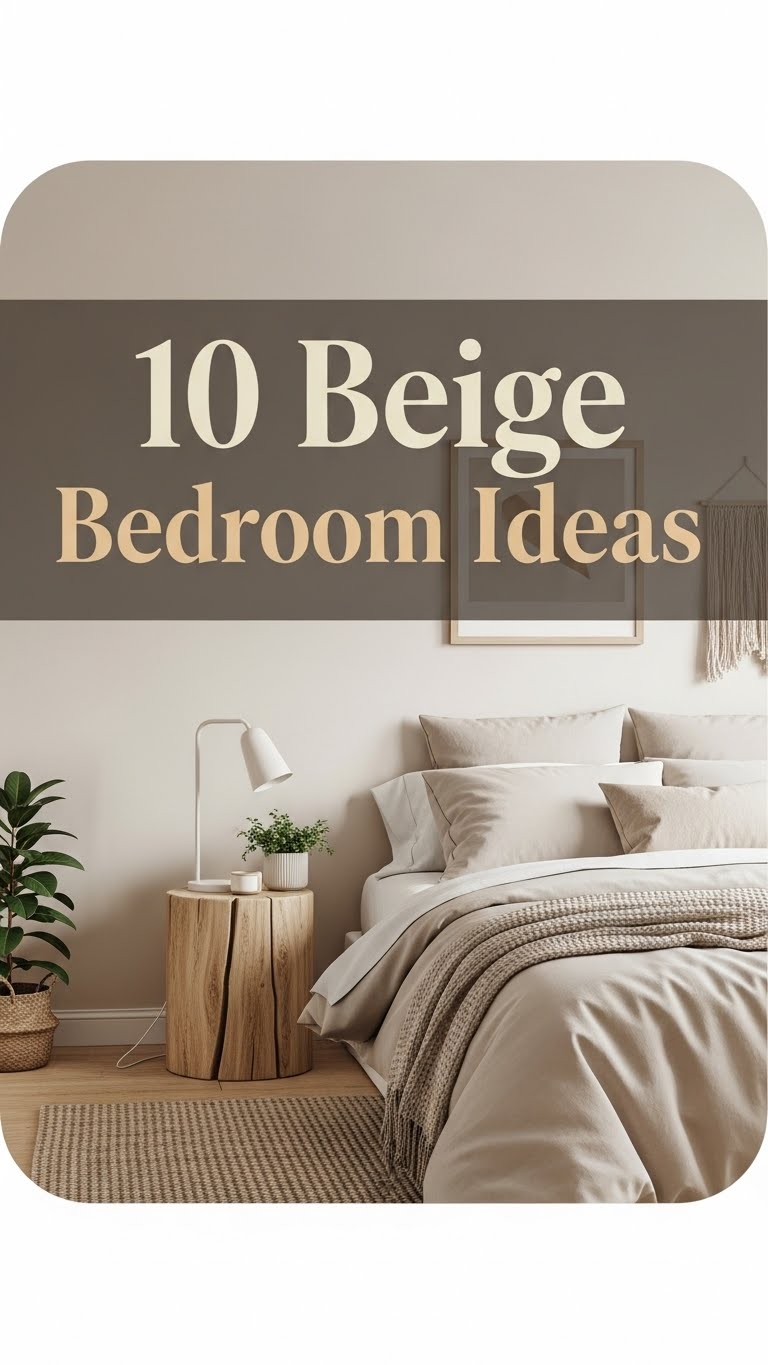
10 Beige Bedroom Ideas
When it comes to bedroom design, beige is a timeless and versatile color that exudes warmth, sophistication, and calm. Unlike brighter colors...
Read out all
10 Cool Bedroom Ideas
Your bedroom is more than just a place to sleep. It is your sanctuary, your personal retreat, and a reflection of your...
Read out all